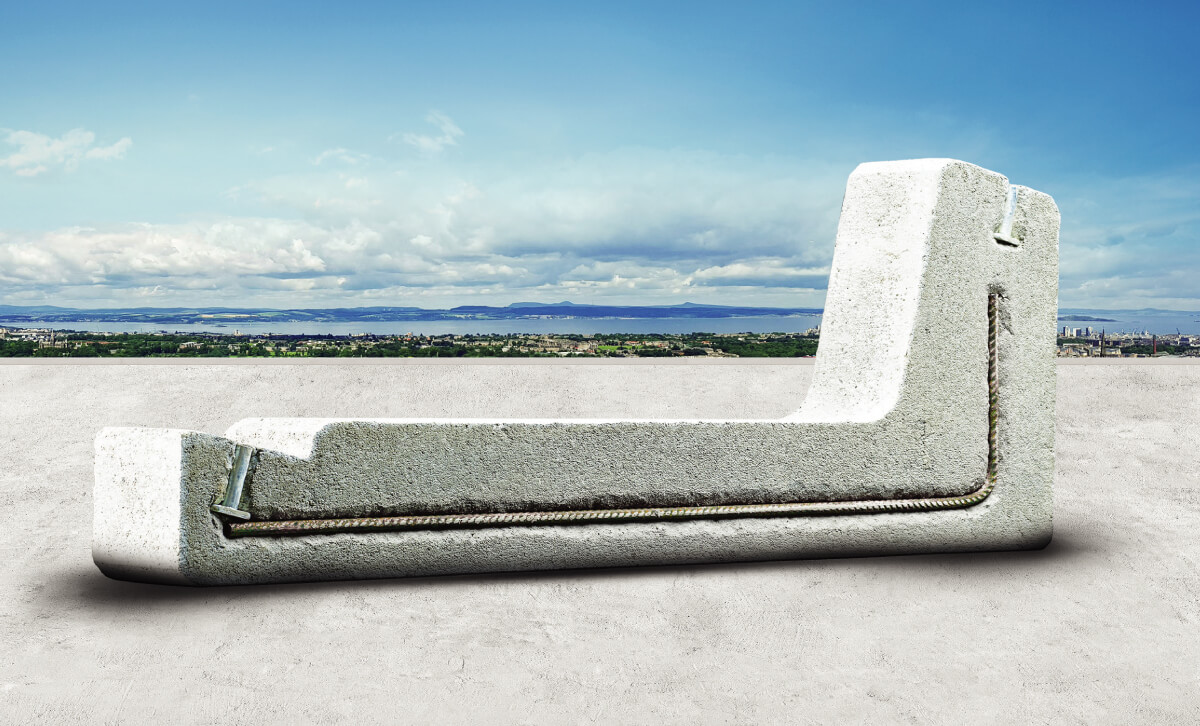
Why an 8 Degree Solar Ballast Is a Smart
Choice for Flat Roof PV
For many flat-roof photovoltaic projects in Italy, the simplest
way to speed up installation while protecting the waterproofing layer is an 8 degree solar
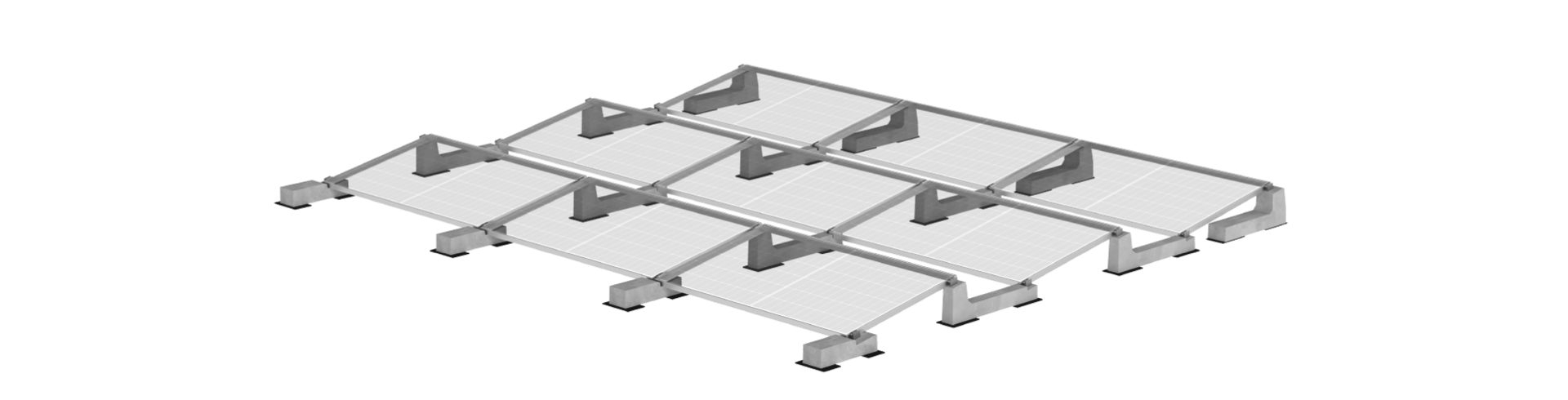
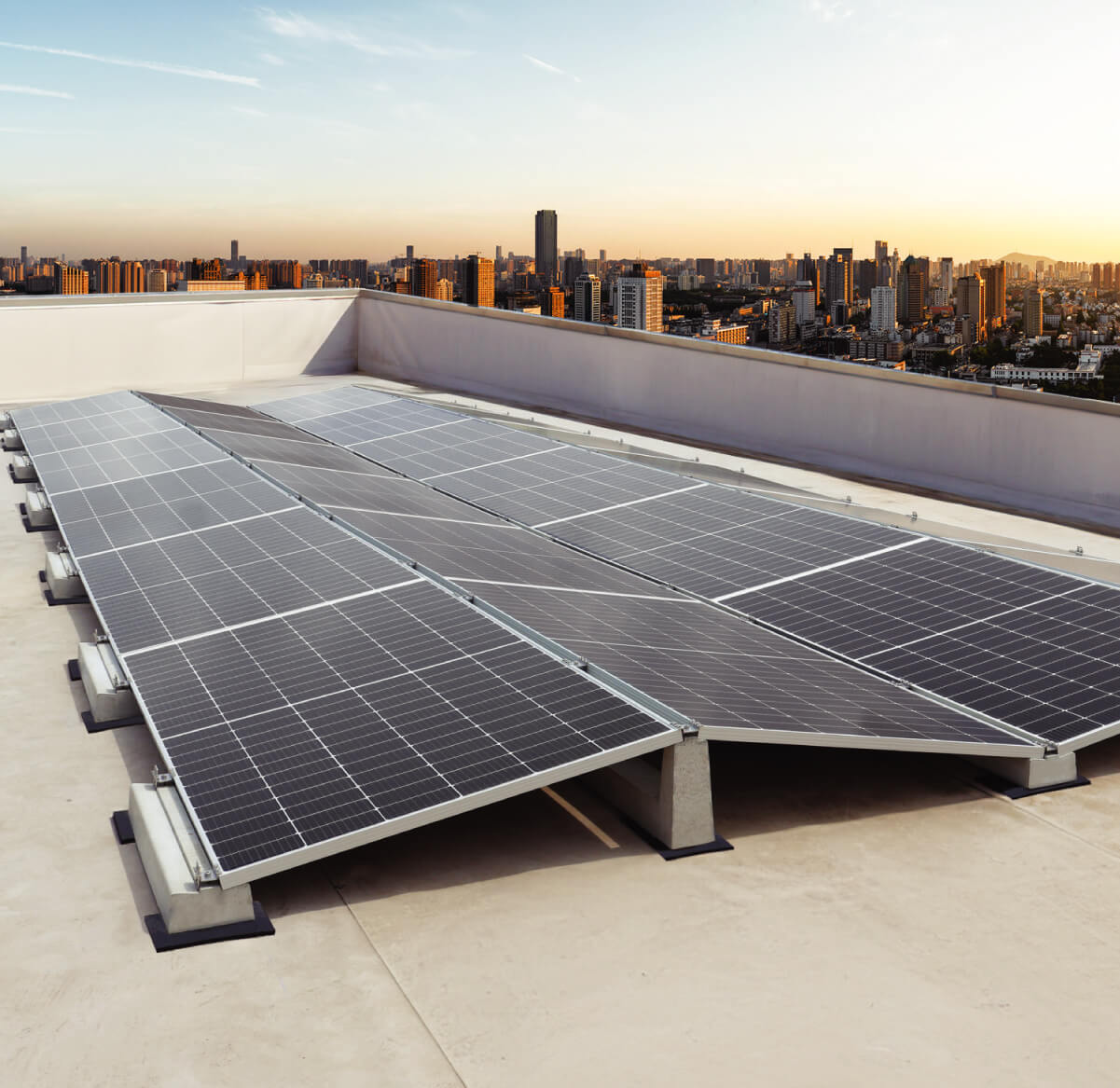
ballast system. The 8° tilt is a practical angle that balances energy yield, row spacing, and
wind exposure—especially on industrial sheds and commercial buildings where time on site
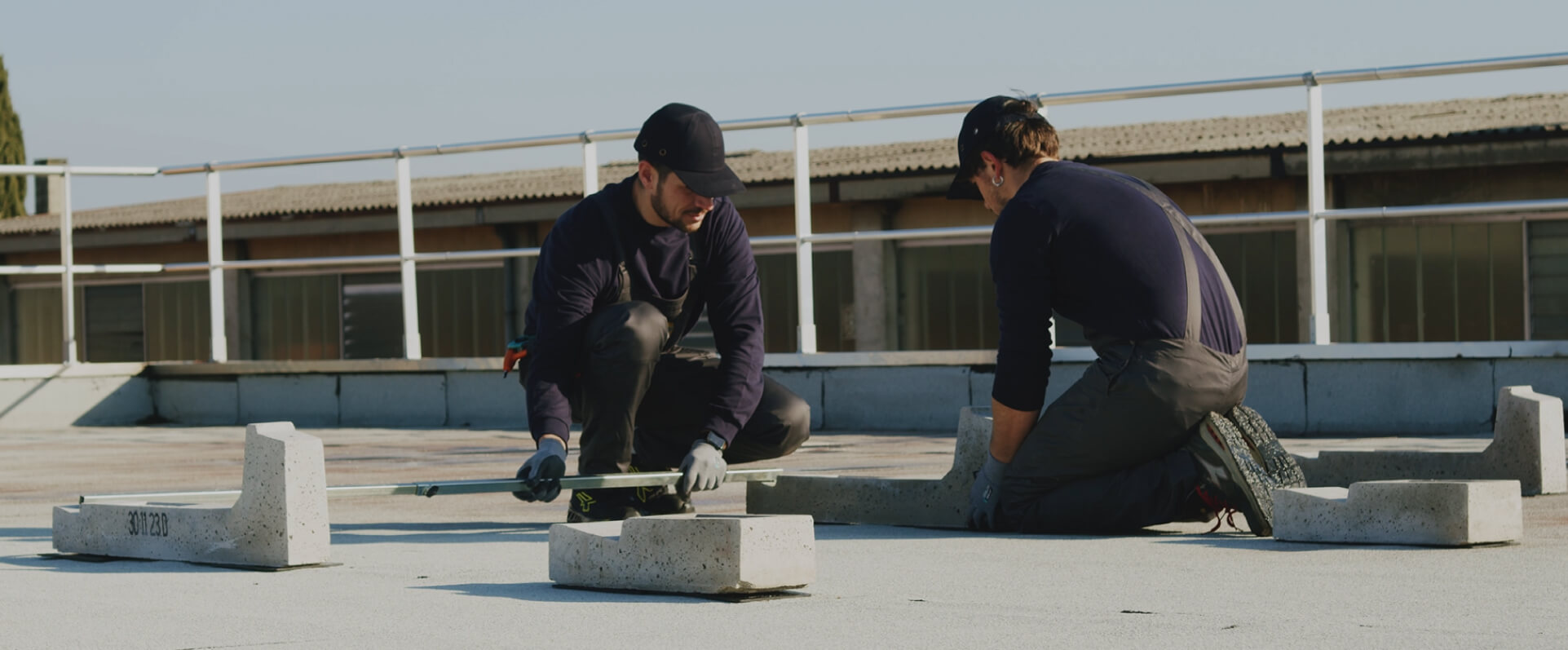
matters. Because the panels sit on pre-engineered concrete ballast blocks, you can avoid roof
penetrations, reduce the risk of leaks, and keep the worksite cleaner and more predictable.
Installers appreciate having fewer components to handle and a mounting method that feels
straightforward: position, align, connect, and move to the next row. Designers and engineers
benefit too, because a well-designed ballast solution comes with reliable technical data for
load distribution, wind uplift checks, and layout planning. In short, an 8 degree solar ballast
helps turn a complex flat-roof array into a repeatable process—without compromising on safety or
durability. If your priority is to deliver projects faster, reduce call-backs, and keep the roof
intact, this tilt option is often the sweet spot for B2B PV installations across Italy.
Faster Installation, Fewer Risks: The No-Drill
Advantage
Roof drilling is one of the most common sources of delays and
disputes on flat-roof PV jobs. An 8 degree solar ballast approach removes that bottleneck by
relying on weight and smart geometry rather than mechanical fixings through the membrane. That
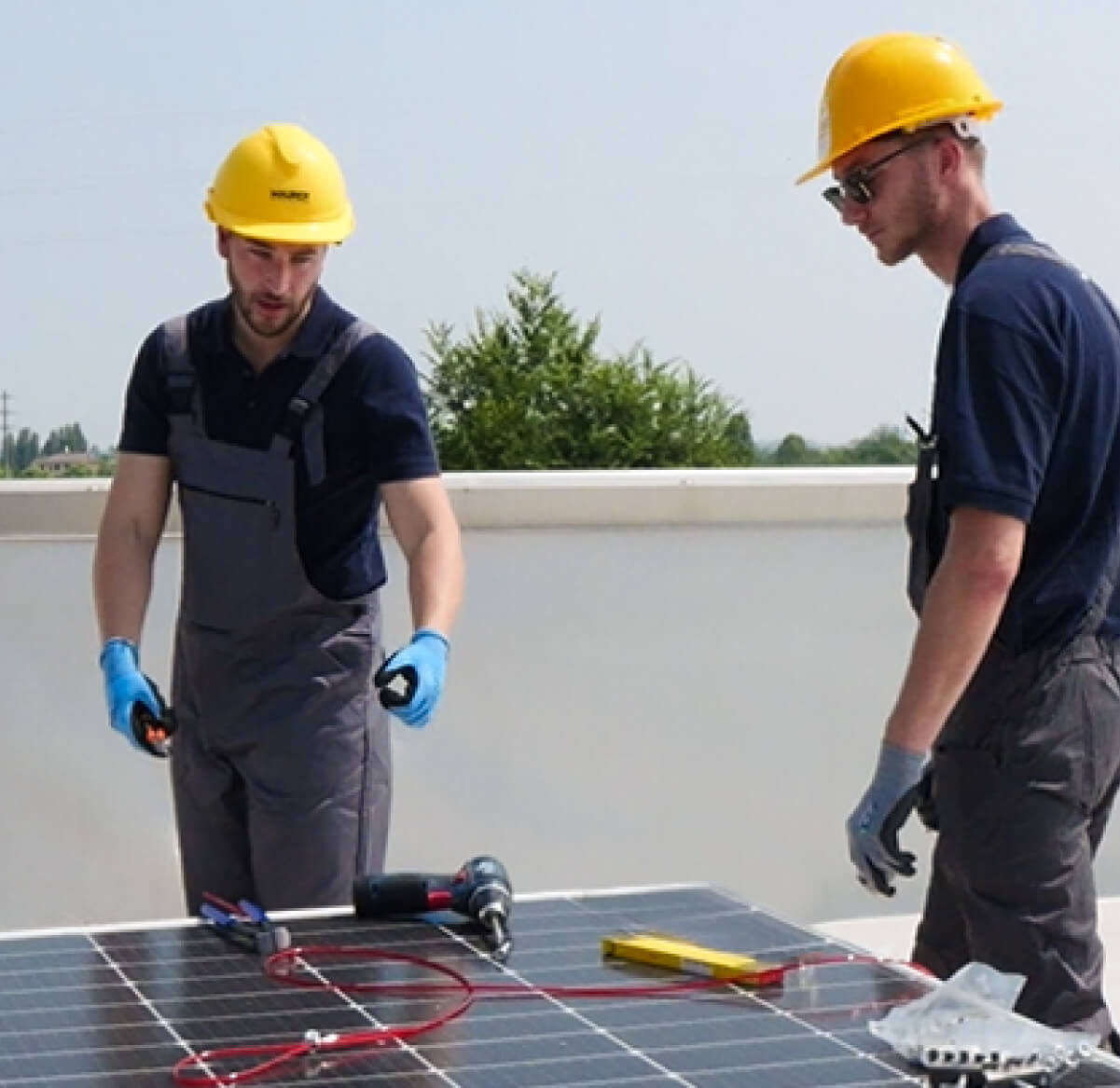
means fewer tools, fewer steps, and fewer coordination issues with roofing contractors. For
photovoltaic installers, the value is immediate: shorter installation times, less complexity in
the structure, and a lower chance of water ingress. For technical offices, it’s easier to
standardize details across multiple sites—logistics, bill of materials, and assembly procedures
become more consistent. And for distributors, a recognizable ballast-based solution is easier to
explain and support, because the benefits are tangible: concrete stability, intuitive mounting,
and a clean, modular layout. When you combine an 8° tilt with a flat-roof support system
designed for real jobsite needs, you get a dependable pathway from design to execution—ideal for
projects where deadlines, safety, and long-term performance all matter.
Get the Layout Right: Technical Support and
Proper Sizing
Choosing an 8 degree solar ballast is not only about the
block—it’s about getting the full system right for the specific roof. Wind zone, building
height, parapets, roof surface, and load limits all influence the final configuration. A solid
solution should help you with project sizing, array layout, and verification of loads so you can
work confidently from preliminary design through installation. That support is crucial for
engineers who carry responsibility for structural checks, and it’s equally valuable for
installers who want clear, buildable drawings and fewer surprises on site. Look for a
partner-style approach that provides technical assistance, system dimensioning, and commercial
guidance—so you’re not just buying materials, you’re reducing risk. With a correctly sized 8°
ballast configuration, you can keep panels stable, maintain consistent spacing, and streamline
cable management and installation workflow. The result is a flat-roof PV system that’s quicker
to deploy, safer for the roof, and easier to replicate across multiple buildings—exactly what
the Italian B2B solar market demands.