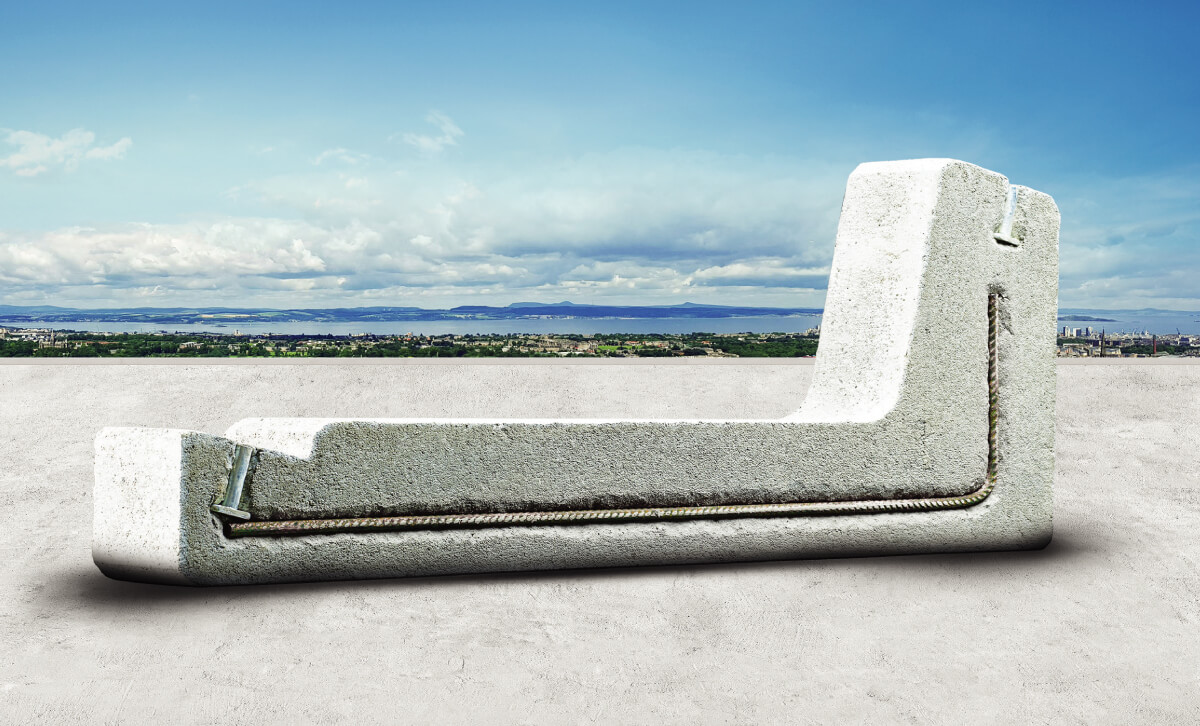
Why a 10 degree solar ballast is ideal for
flat roofs in Italy
A 10 degree solar ballast is one of the most practical tilt
options for flat-roof photovoltaic systems in Italy, especially when you need speed on site
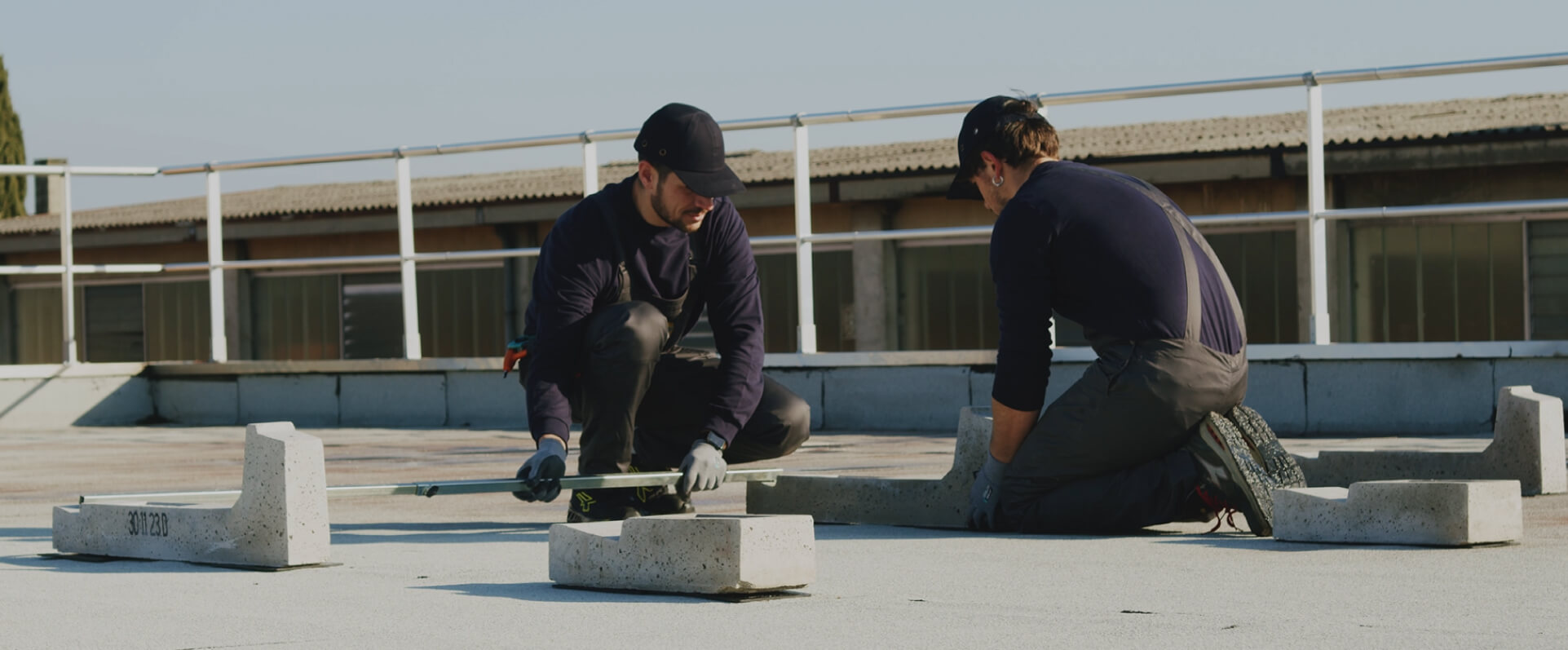
without compromising reliability. By using precast concrete ballast blocks, panels can be
installed without drilling or waterproofing interventions on the roof membrane—reducing risk,
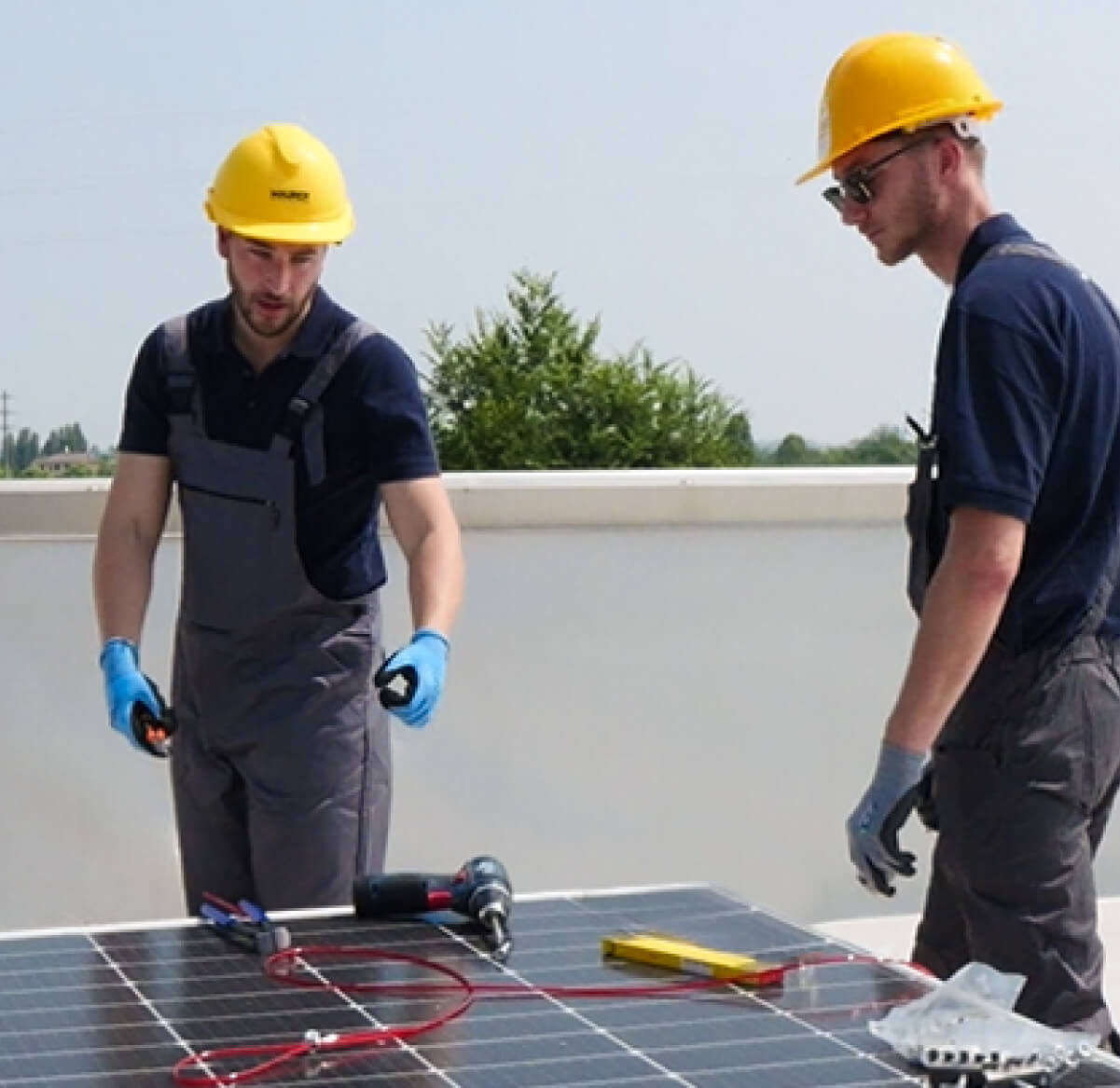
callbacks, and installation time. For installers, the main advantage is simplicity: fewer
components, intuitive assembly, and predictable workflows that help you complete more projects
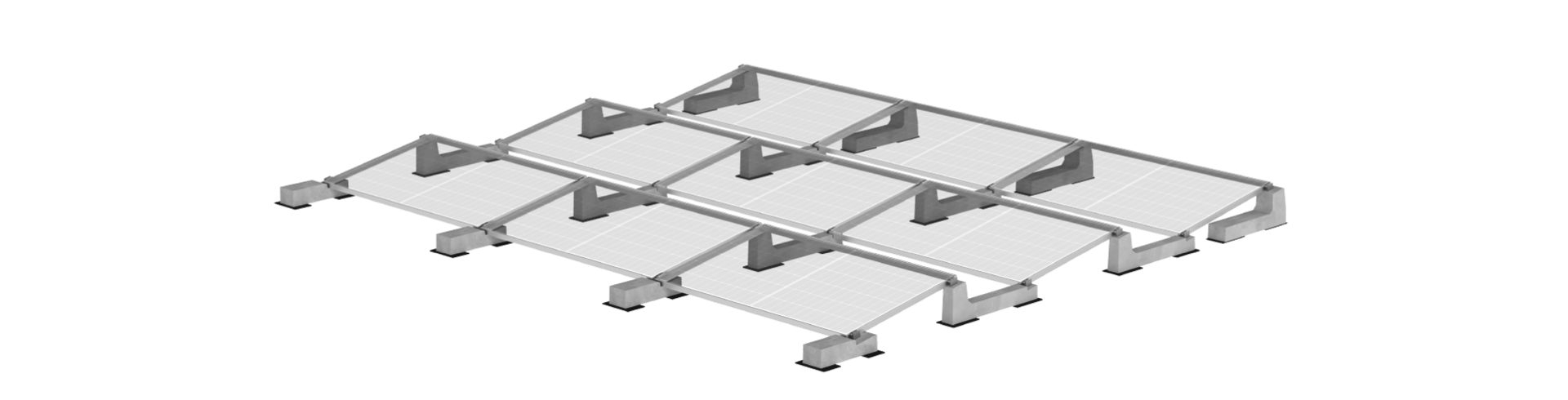
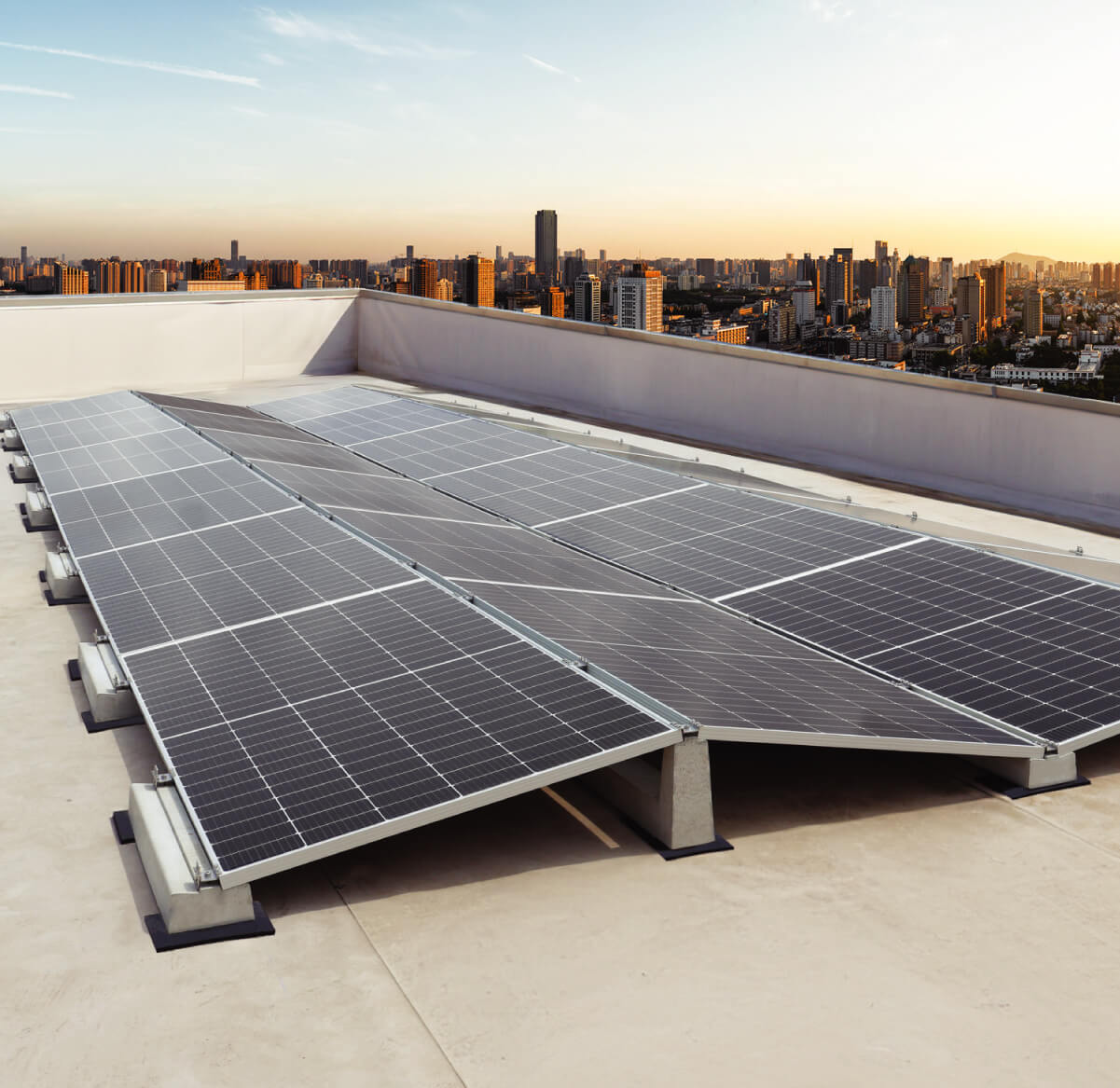
per week. For designers and engineers, a 10 degree tilt offers a balanced geometry: it supports
solid energy yield while keeping overall system height low, often improving visual impact and
helping manage wind exposure. Concrete ballasted mounting also provides stable load
distribution, an important point on industrial roofs and large commercial buildings. When
planning a PV array, the right 10 degree solar ballast solution should come with verified data
for wind, loads, and layout, plus guidance on spacing, rows, and cable management. In a market
where timelines are tight and roof integrity is critical, choosing a ballasted PV mounting
approach at 10 degrees can be the difference between a complex build and a smooth installation.
It’s a straightforward way to deliver a clean, professional result while protecting the roof and
reducing operational headaches.
Faster installation with fewer risks: the
no-penetration advantage
Flat-roof projects often slow down when anchoring points,
membranes, and sealing details enter the picture. A 10 degree solar ballast system avoids many
of these bottlenecks by design: the structure relies on weight and engineered geometry rather
than roof penetrations. That means less time marking drill points, fewer tools, and fewer
weather-related delays linked to waterproofing steps. Installers benefit from a streamlined kit
logic—place, align, clamp, and connect—so crews can stay efficient even on large rooftops. From
a safety and quality perspective, minimizing roof interference helps preserve the waterproof
layer and reduces the chance of future leaks, a major concern for facility owners and
maintenance teams. For procurement teams and distributors, the value is also clear: a
recognizable, easy-to-explain solution that meets steady demand for flat-roof PV. When paired
with technical assistance in the design phase, a 10 degree solar ballast setup becomes easier to
specify, quote, and execute, helping everyone involved reduce uncertainty and keep projects
moving.
Design confidence: wind/load sizing and
technical support that professionals need
Selecting a 10 degree solar ballast isn’t only about choosing a
tilt—it’s about choosing a predictable engineering outcome. In Italy, where wind exposure and
roof load limits vary widely by location and building type, designers need trustworthy sizing
inputs and tested configurations. A professional-grade ballasted PV mounting solution should
provide clear documentation and support for layout optimization, including row spacing
considerations, shading control, and ballast distribution. This reduces the design burden and
helps engineers defend choices with reliable data. Installers gain confidence too: when the
project is correctly dimensioned, on-site decisions are simpler and errors are less likely. The
result is a cleaner installation, fewer change orders, and a system that performs as expected.
If you want to standardize flat-roof PV installations, a 10 degree solar ballast approach is a
persuasive choice—fast to deploy, roof-friendly, and aligned with the real-world needs of B2B
professionals who value reliability, simplicity, and ongoing innovation.