Why a Solar Panel Ballast Mount Makes Flat
Roof PV Easier
On flat roofs, every hour on site matters—and every roof
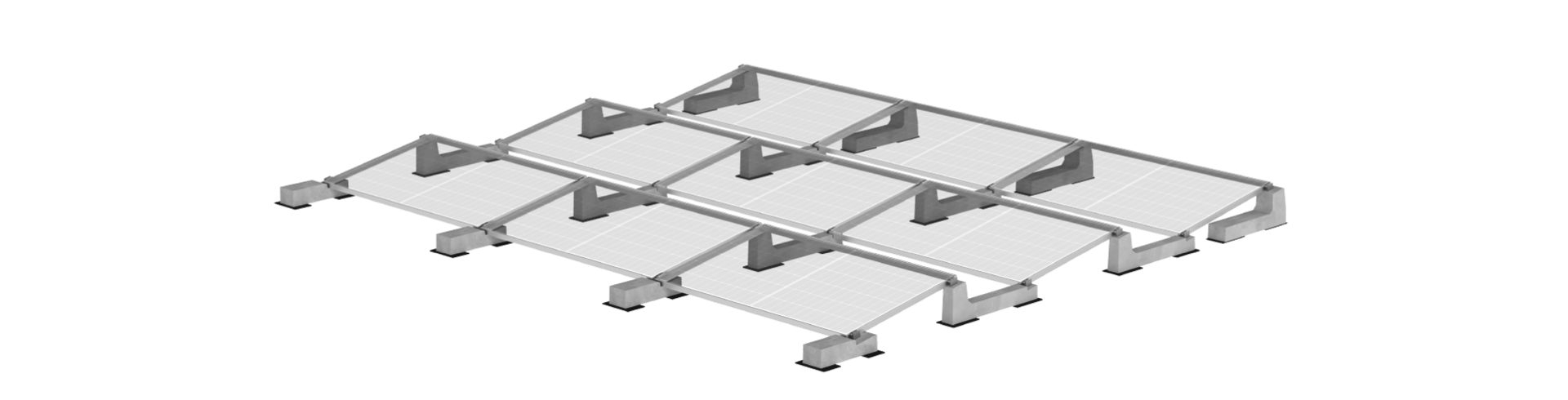
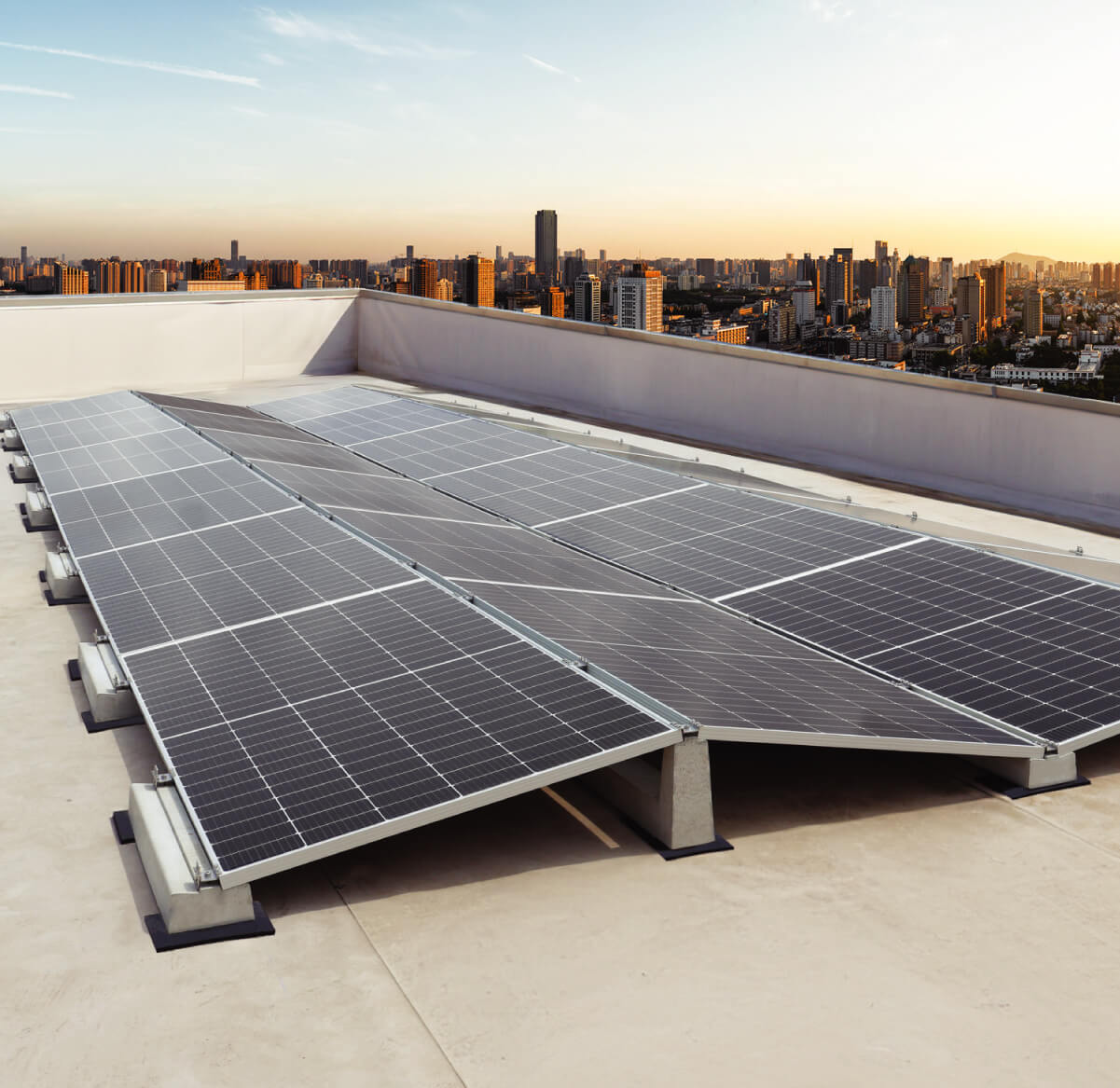
penetration can become a future risk. A solar panel ballast mount is designed to keep
photovoltaic arrays stable using weight, not drilling, so installers can work faster while
protecting the waterproof layer. For the Italian market, where warehouses, commercial buildings,
and industrial sheds often rely on membrane or bituminous coverings, a non-penetrating PV
mounting solution is a practical advantage.
With a ballast-based system, you typically handle fewer components and simpler assembly steps.
That means cleaner logistics, less time spent aligning complex rails, and a smoother workflow
from unloading to final torque checks. Just as important, a solar panel ballast mount supports
predictable layout options on flat roofs, helping you optimize orientation, row spacing, and
maintenance access.
For designers and engineers, the benefit is confidence: a properly engineered ballast system
supports wind-uplift management and roof load distribution with documented performance data. For
distributors, it’s easier to stock and explain because the value proposition is immediate—fast
installation, reliable stability, and reduced roof risk. If your goal is to deliver more
projects with fewer headaches, choosing the right solar panel ballast mount is one of the
simplest ways to reduce complexity without compromising on long-term durability.
Key Benefits Installers Look For: Speed,
Safety, and Fewer Site Issues
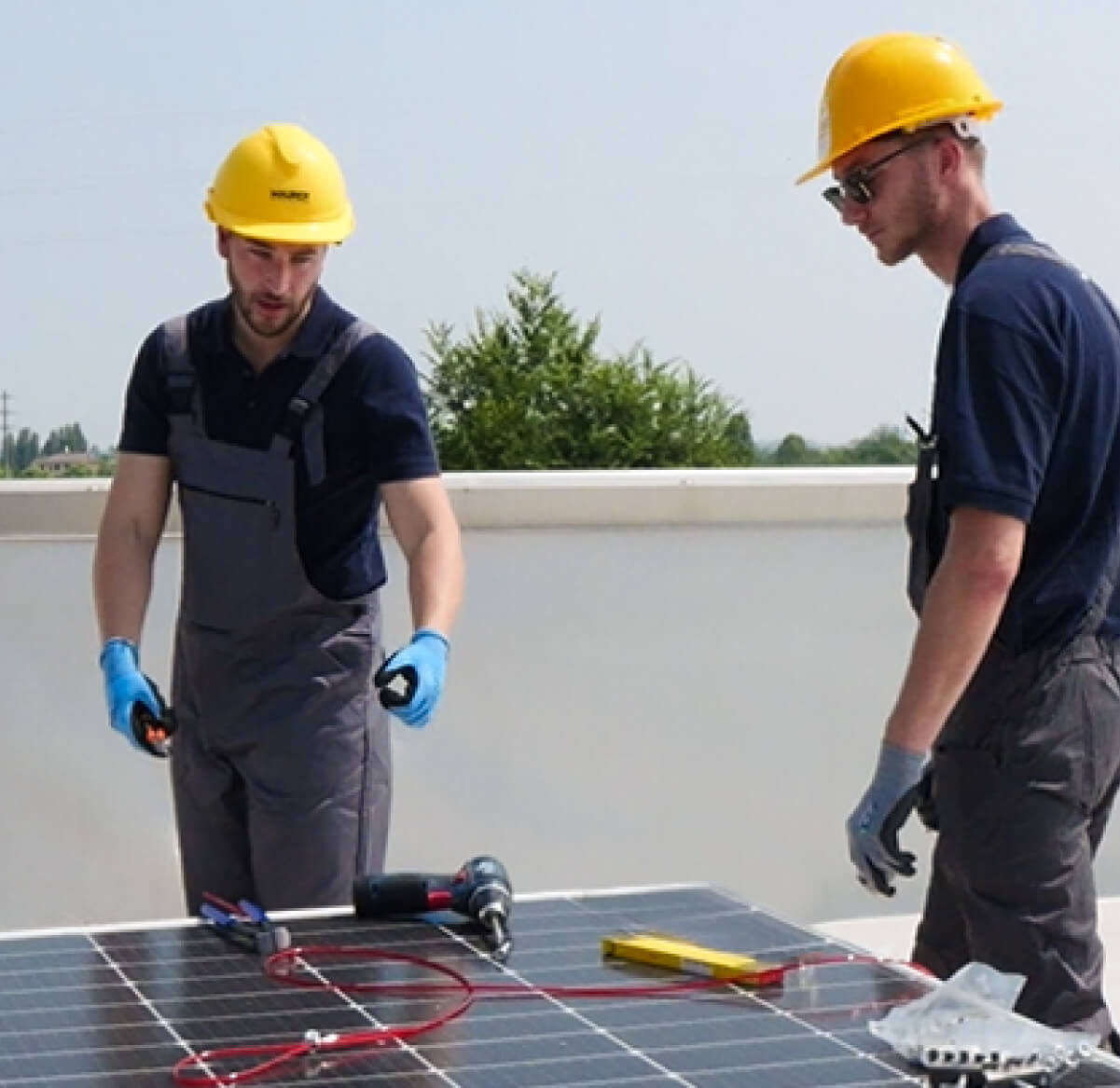
Installers choose a solar panel ballast mount when they want to
cut installation time and avoid unexpected roof problems. Because there’s no need to perforate
the roof, you reduce the chance of water ingress claims and eliminate many steps related to
anchors, sealing, and inspections. The result is a streamlined flat-roof PV installation that
crews can replicate across multiple sites.
A well-designed ballast mount system also improves jobsite safety and organization. Pre-shaped
concrete ballast elements provide stable support points, limiting improvisation and helping
teams keep the array aligned. This can be especially valuable on large roofs, where consistency
across long rows affects both aesthetics and performance.
Related solutions and terms you may consider alongside a solar panel ballast mount include
non-penetrating PV racking, flat roof solar mounting, concrete ballast for photovoltaics, wind
load verification, and roof load checks. Together, these elements create a robust approach that
helps you meet deadlines, reduce call-backs, and deliver a clean handover to the client—without
making the roof the weak link in the system.
Technical Support and Design Confidence for
Professionals in Italy
A solar panel ballast mount is more than a hardware choice—it’s a
project method. For engineering offices and technical designers in Italy, the critical point is
having reliable inputs for sizing: wind exposure, parapet effects, roof zones, and allowable
loads. When the mounting solution is supported with clear technical documentation and practical
design assistance, responsibility is easier to manage and decisions are faster.
From early feasibility to execution, professional support can help confirm the most efficient
configuration for the roof: tilt angle, module arrangement, and the best compromise between
energy yield and ballast quantity. That guidance also helps installers avoid overbuilding or
underestimating site conditions—both costly mistakes.
If you work B2B—installers, designers, or distributors—choose a solar panel ballast mount
approach that prioritizes reliability, intuitive installation, and continuous innovation. The
right system helps you standardize your process across projects, reduce on-site complexity, and
deliver flat-roof PV arrays that stay secure over time, even under demanding weather conditions.
When speed, simplicity, and proven performance align, you win more jobs and complete them with
confidence.