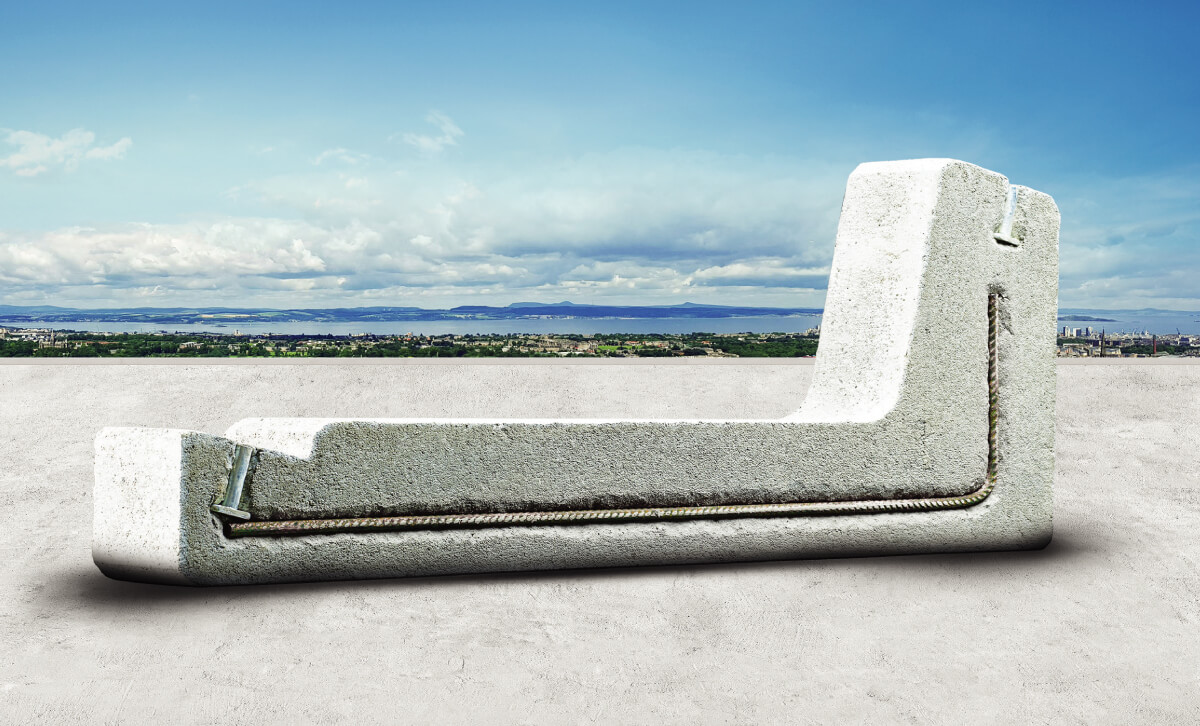
Why a PV Module Mounting Structure Matters on
Italian Flat Roofs
Choosing the right pv module mounting structure is the difference
between a smooth installation and days of on-site adjustments—especially on flat roofs across
Italy, where waterproofing, wind exposure, and tight timelines often collide. Installers need a
system that goes down fast, keeps the roof intact, and stays stable over decades. A
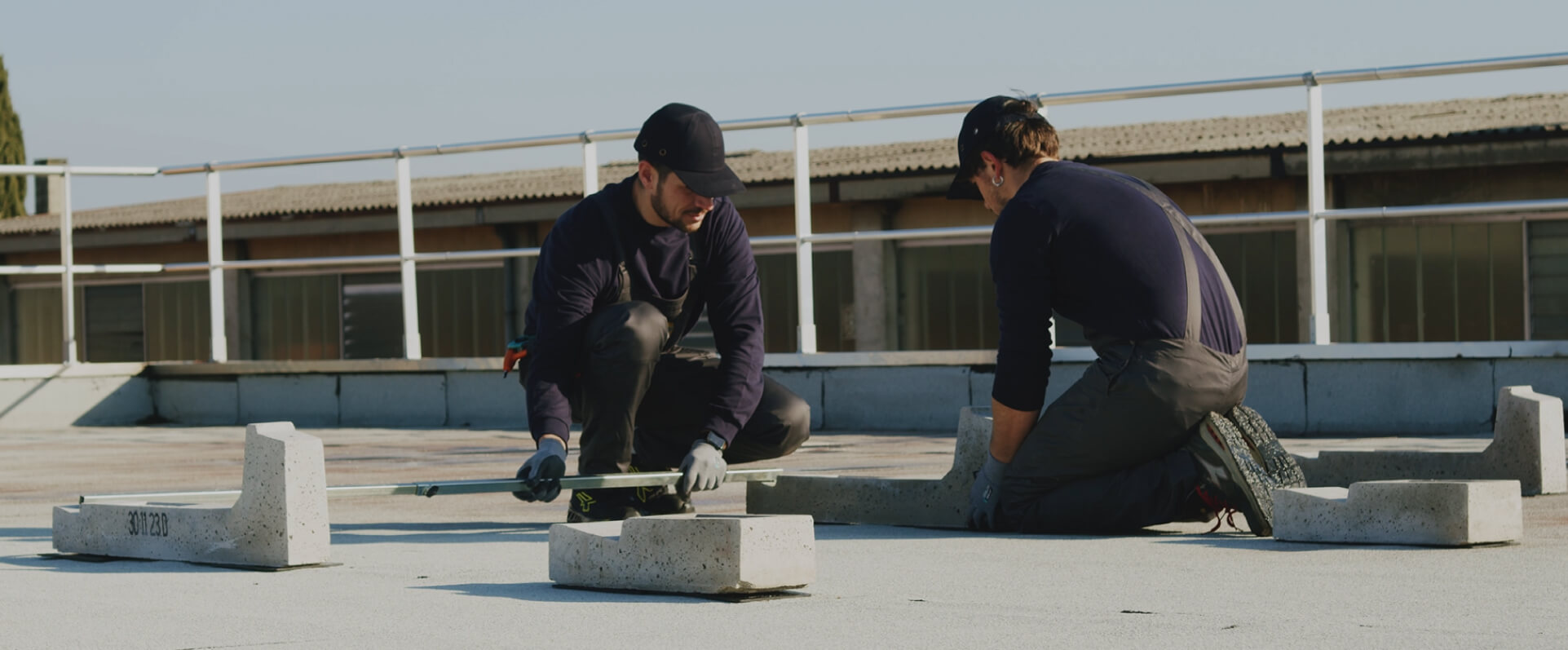
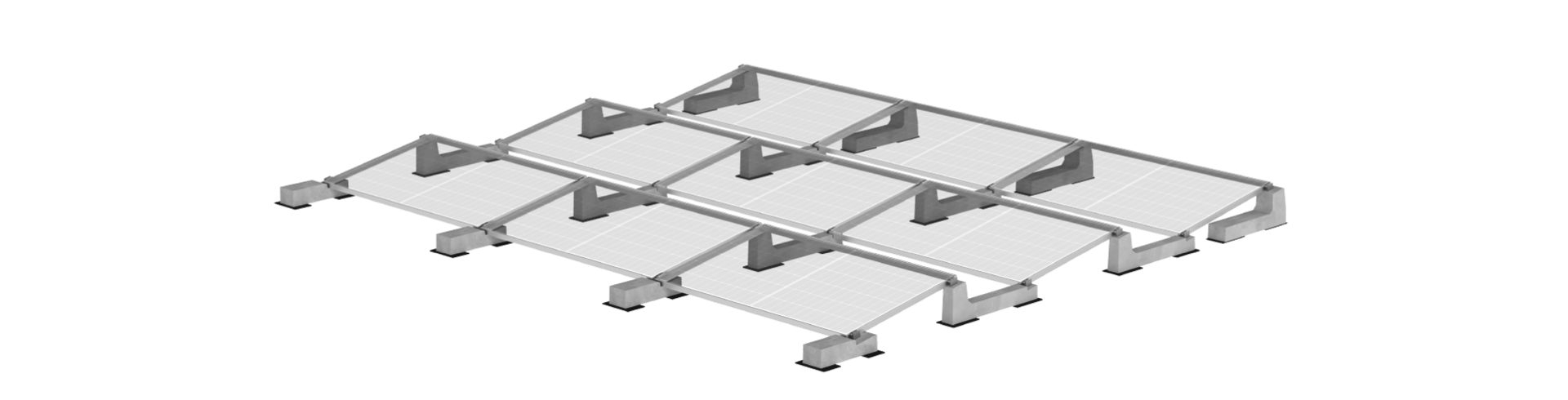
ballast-based approach answers these needs by using engineered concrete weights to secure PV
modules without drilling the roof membrane. That means fewer risks of leaks, fewer components to
manage, and a cleaner workflow for crews. For designers and engineers, the real value is
predictability: a mounting solution with reliable data for loads, wind resistance, and
configuration options helps reduce calculation uncertainty and project responsibility. For
distributors, simplicity sells—products that are recognizable, easy to specify, and supported by
clear documentation move faster. In practical terms, an optimized pv module mounting structure
for flat roofs should offer quick alignment, consistent tilt angles, compatibility with common
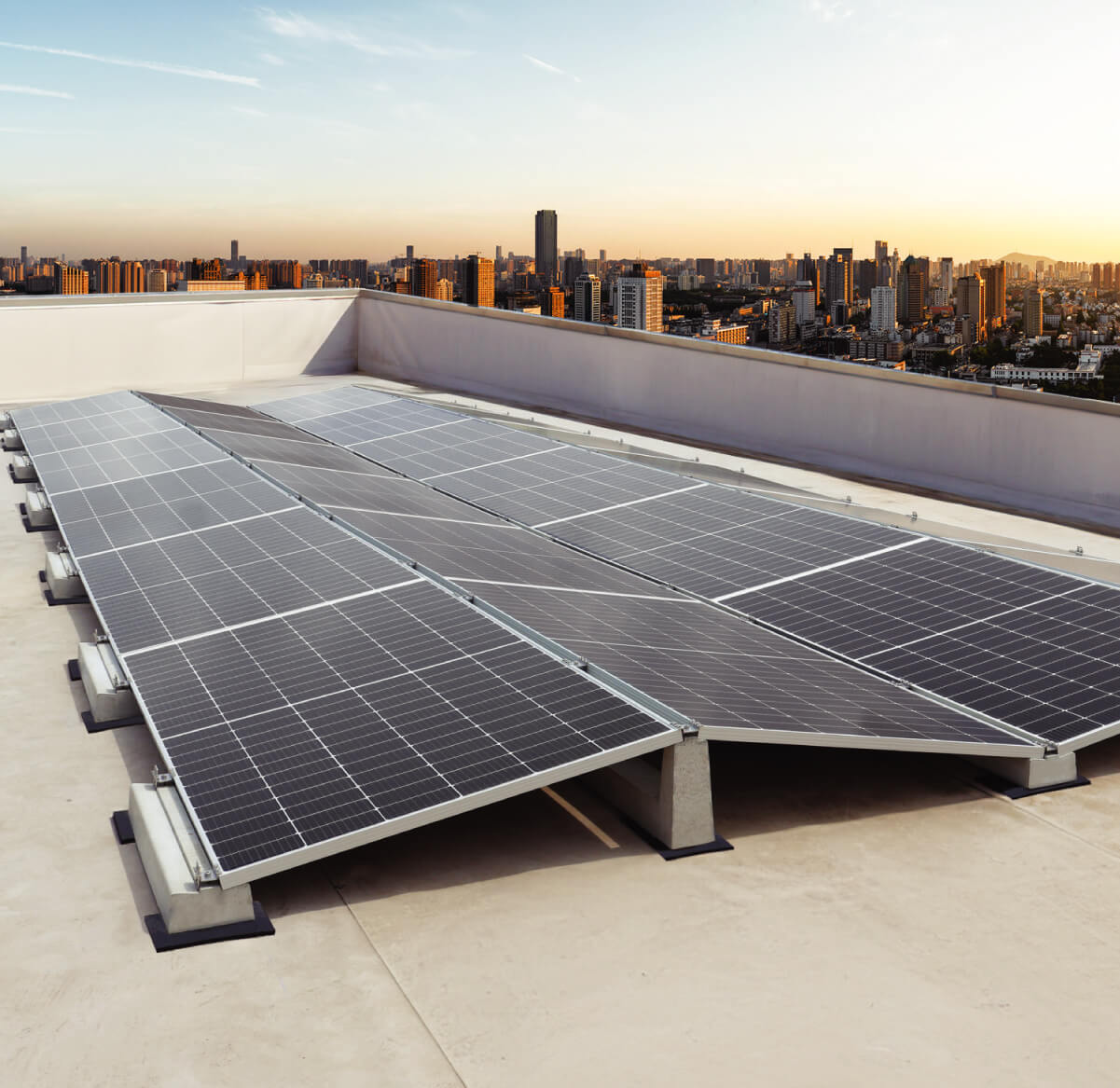
panel sizes, and flexible layouts to maximize energy yield while respecting roof constraints.
When the structure is designed as a complete solution—technical support, system sizing, and
project assistance—professionals can focus on performance and delivery, not troubleshooting. In
today’s competitive market, speed, safety, and certainty are what turn quotes into completed PV
plants.
Key Benefits: No Penetrations, Faster Builds,
Lower On-Site Risk
A no-drill pv module mounting structure built around concrete
ballasts streamlines the entire job. First, you avoid roof penetrations, protecting waterproof
layers and reducing liability. Second, installation becomes faster because there are fewer
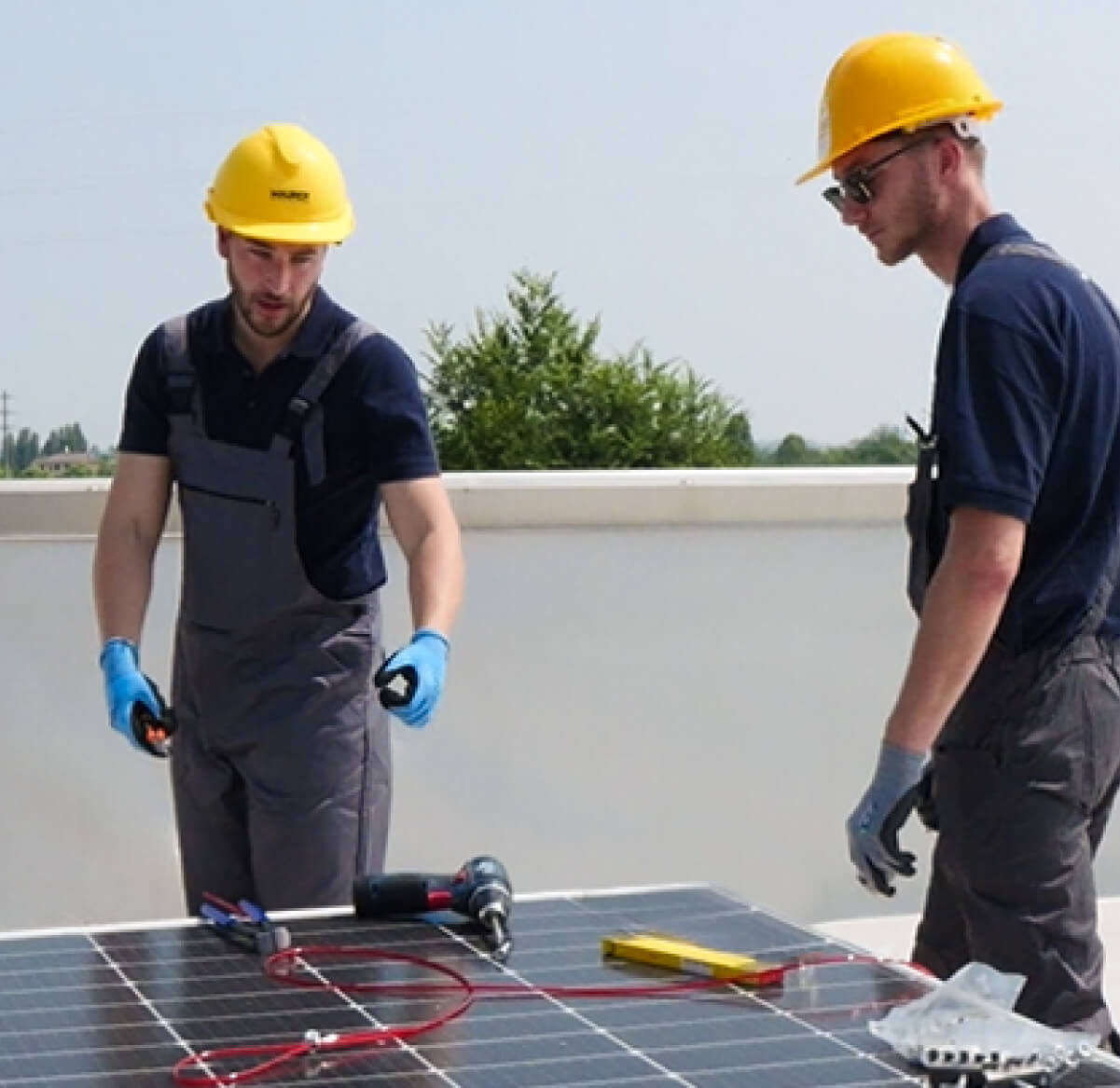
parts, less measuring, and fewer steps—ideal for installers managing multiple sites. Third, the
system is inherently robust: concrete ballast adds stability, while pre-engineered
configurations help manage wind uplift and distributed loads. For flat-roof PV, this approach
also improves planning: you can define rows, spacing, and tilt to balance production, shading,
and maintenance access. Related considerations—wind zones, parapets, roof load capacity, and
module orientation—can be addressed with technical documentation and sizing support, simplifying
decision-making for engineering offices. The result is a mounting solution that’s easier to
specify, quicker to deploy, and safer for both the roof and the crew.
A Technical Partner Approach for Installers,
Designers, and Distributors
Professionals in Italy don’t just need hardware—they need
confidence. A pv module mounting structure becomes far more valuable when it comes with real
project backing: support during design, help with system sizing, commercial assistance, and
guidance through execution. For installers, this translates into fewer surprises on site and a
repeatable method that scales across projects. For engineers, it means tested solutions and
dependable inputs for structural checks and compliance documentation. For distributors and
wholesalers, it provides a product that is easier to recommend because it solves common
flat-roof challenges in a straightforward way. If your goal is to deliver flat-roof
photovoltaics with less complexity and more reliability, choose a pv module mounting structure
engineered for speed, stability, and simplicity—backed by the kind of technical support that
keeps projects moving from proposal to commissioning.