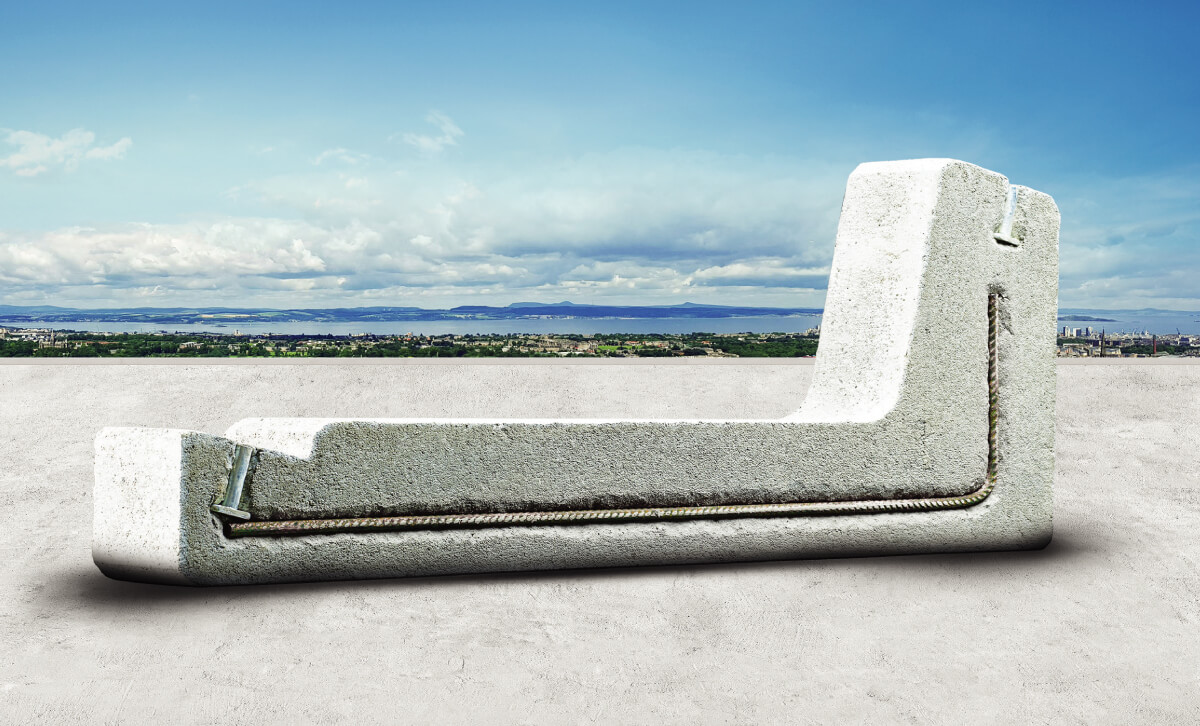
PV Ballast System: the fastest way to build
flat-roof solar in Italy
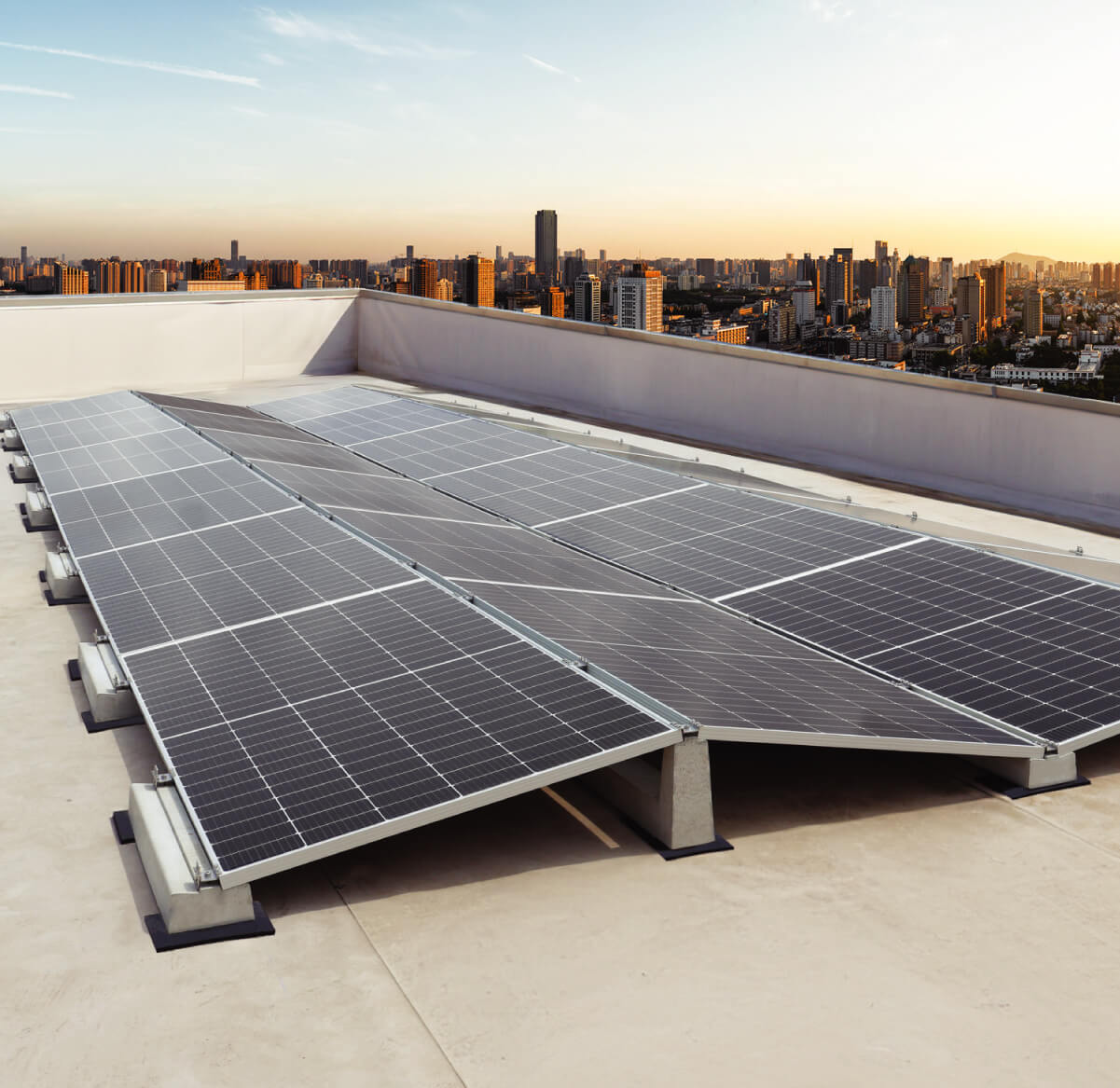
In Italy, flat roofs on warehouses, industrial buildings, and
commercial facilities are a prime opportunity for solar—but installers and designers know the
real challenge: mounting quickly without creating future roof issues. A pv ballast system solves
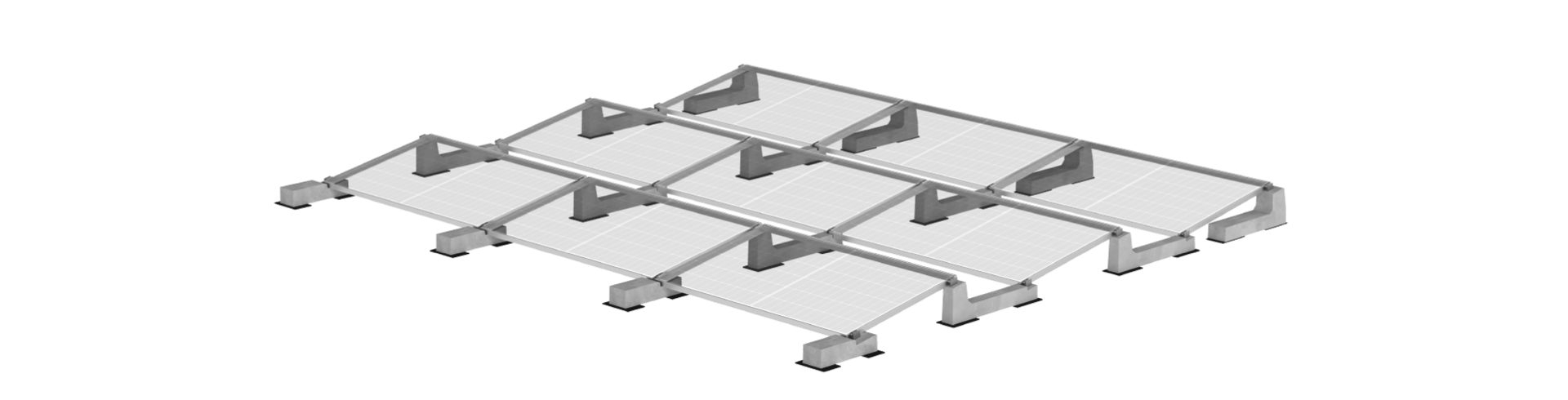
this by using precast concrete weights to secure PV modules without penetrating the waterproof
membrane. That means fewer leak risks, cleaner workmanship, and shorter installation time on
site.
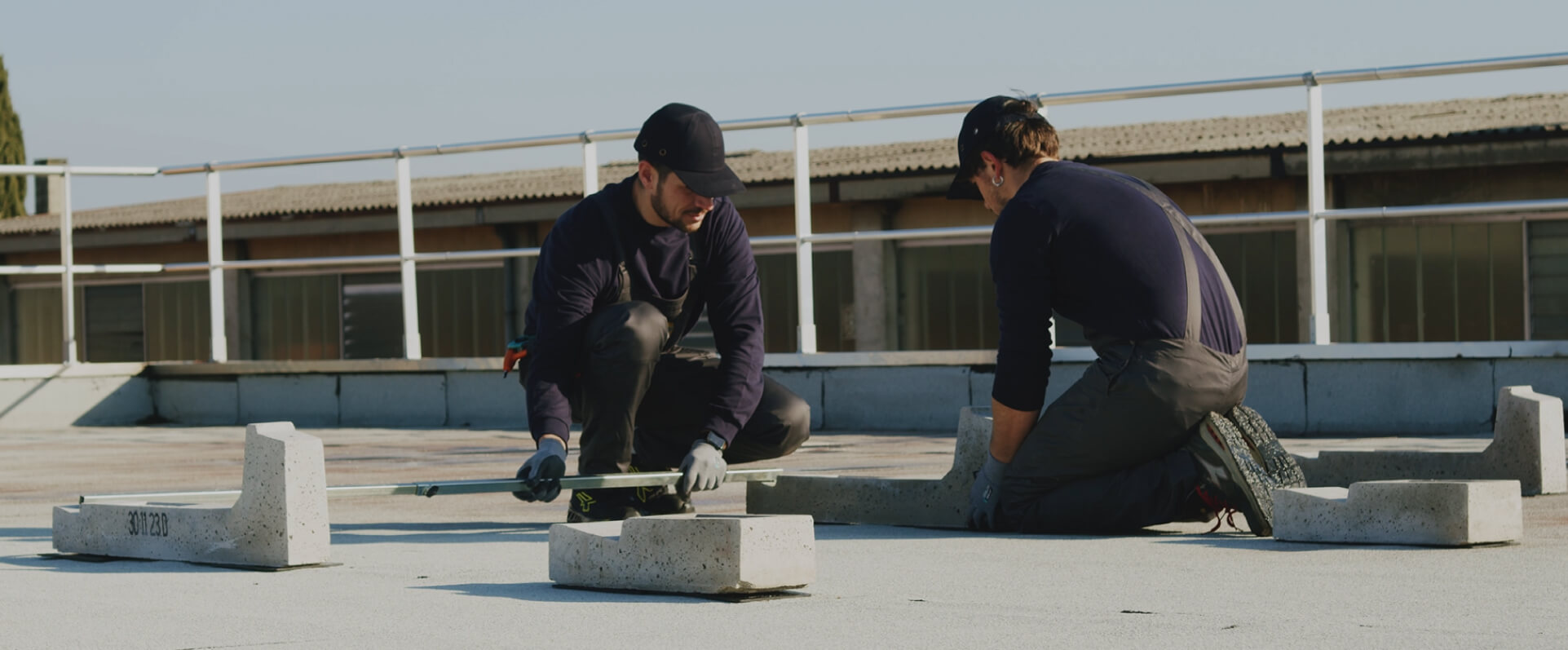
Unlike complex racking that requires multiple rails, clamps, and roof fixings, a ballasted PV
mounting solution is designed for simplicity: place, align, and connect. For crews managing
tight schedules, this translates into predictable workflows and fewer surprises in the field.
For engineering teams, it brings clear load paths and reliable, repeatable configurations
suitable for typical Italian flat-roof applications.
If your priority is to deliver safe, durable rooftop PV with minimal disruption, choosing a pv
ballast system is a practical step toward faster commissioning and a smoother
handover—especially when paired with project-stage support that helps you select the right tilt,
layout, and ballast distribution for the site.
Why installers prefer a no-drill ballasted PV
mounting solution
Installers choose a pv ballast system because it removes the most
time-consuming and risky phase of flat-roof PV: roof penetrations. No drilling means no
searching for structural points, no managing flashing details, and no waiting on extra
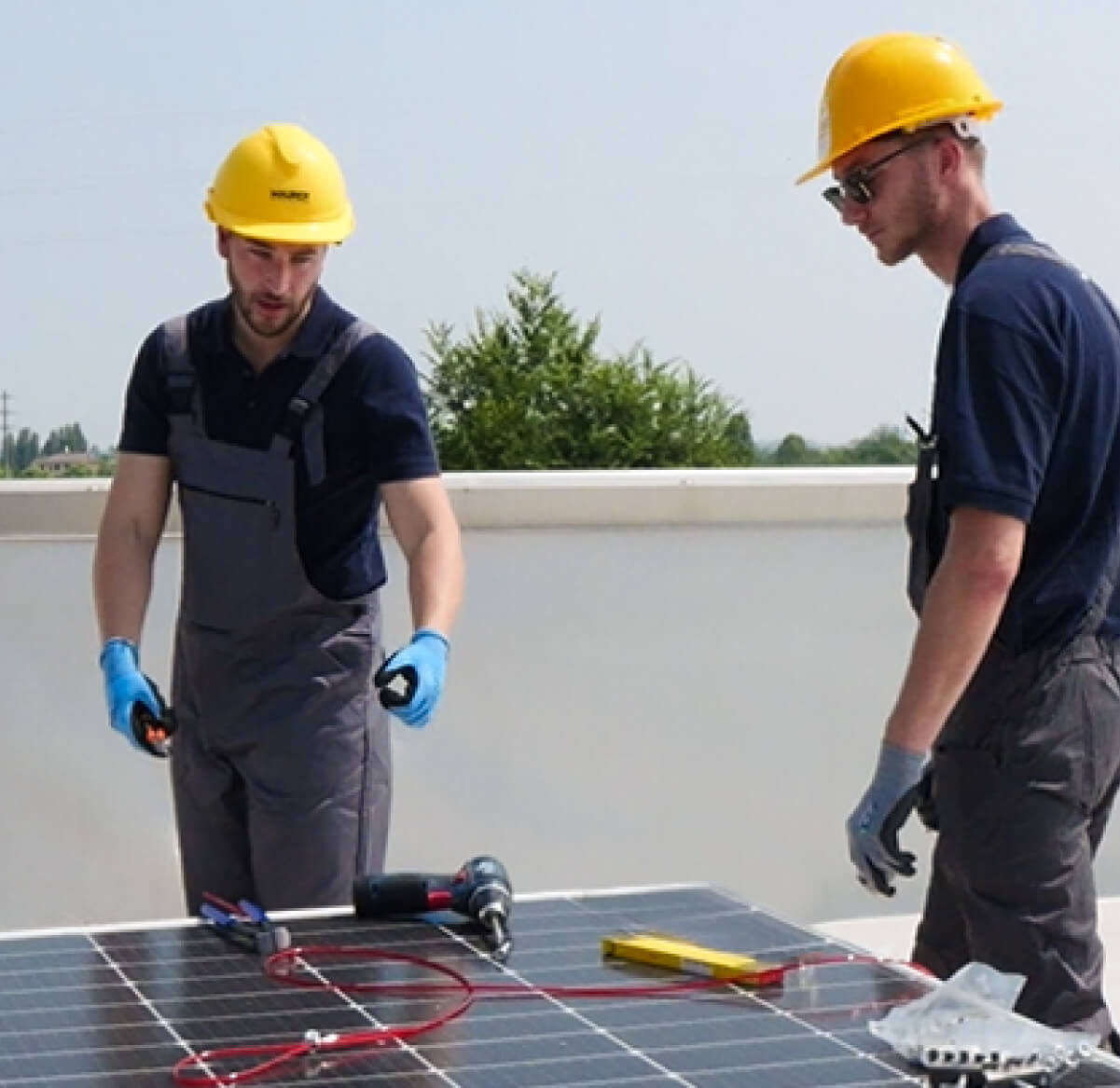
subcontract steps. The result is a quicker install, fewer components to handle, and a cleaner
site.
Concrete ballast blocks are built for stability and long-term performance, helping resist uplift
forces while keeping the roof layer intact. This is especially valuable in refurbishment
projects, where protecting existing membranes is critical. With a streamlined design, crews can
reduce assembly errors, speed up alignment, and standardize procedures across multiple rooftops.
From a commercial standpoint, the simplicity also makes quoting easier: fewer variables, faster
labor estimates, and less contingency for roof-related complications. For distributors and
wholesalers, a recognizable pv ballast system is easier to stock, explain, and support—because
the value proposition is immediate: fast, reliable flat-roof solar mounting with minimal site
complexity.
Technical sizing, wind loads, and compliant
design—without the headache
For designers and engineers, the real value of a pv ballast system
goes beyond speed: it’s about reducing uncertainty. Flat-roof PV requires careful consideration
of wind loads, roof zones, weight distribution, and module geometry. When the mounting solution
is engineered as a complete system, it becomes easier to specify, document, and defend from a
design-responsibility perspective.
A strong approach is to combine the ballasted structure with technical support during the
planning phase: preliminary layout, array sizing, and checks on loads and configuration choices.
This collaboration helps you move from concept to execution with fewer iterations, while keeping
the installation team aligned with the design intent.
If you work in the Italian B2B solar market—installers, EPC teams, technical offices, and
distributors—selecting a pv ballast system designed specifically for flat roofs can help you
deliver projects that are simpler to build, safer for the roof, and more efficient to manage
from the first drawing to final commissioning.