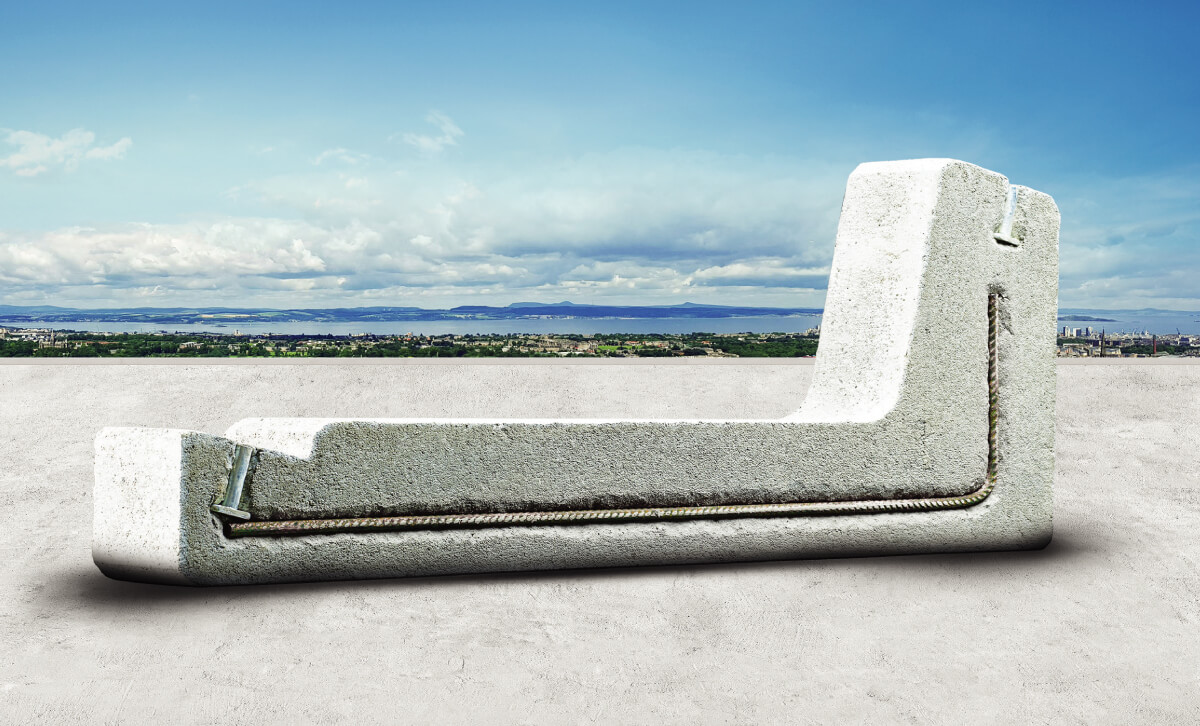
Why Photovoltaic Structural Solutions Matter
on Italian Flat Roofs
Choosing the right photovoltaic structural solutions is often the
difference between a smooth installation and a rooftop project full of delays, unexpected costs,
and long-term risk. In Italy, flat roofs on industrial buildings, logistics hubs, and commercial
sites are ideal for solar—but they also demand structures that respect waterproofing layers and
simplify on-site work. That’s why non-penetrating PV mounting systems using concrete ballast are
increasingly preferred: they help avoid drilling into the roof membrane, reduce the chance of
water infiltration, and keep installation fast and predictable. For installers, fewer components
and intuitive assembly mean less time on the roof and fewer errors under pressure. For designers
and engineers, proven configurations, tested performance, and reliable load management (wind
uplift, distributed weight, and roof bearing limits) support safer, compliant projects. And for
distributors, a clearly positioned solution that solves real jobsite pain points is easier to
stock and recommend. In short, modern photovoltaic structural solutions should do more than hold
modules: they should protect the roof, streamline logistics, and reduce operational complexity
from design to commissioning.
Concrete Ballast Systems: Faster, Safer, and
Roof-Friendly
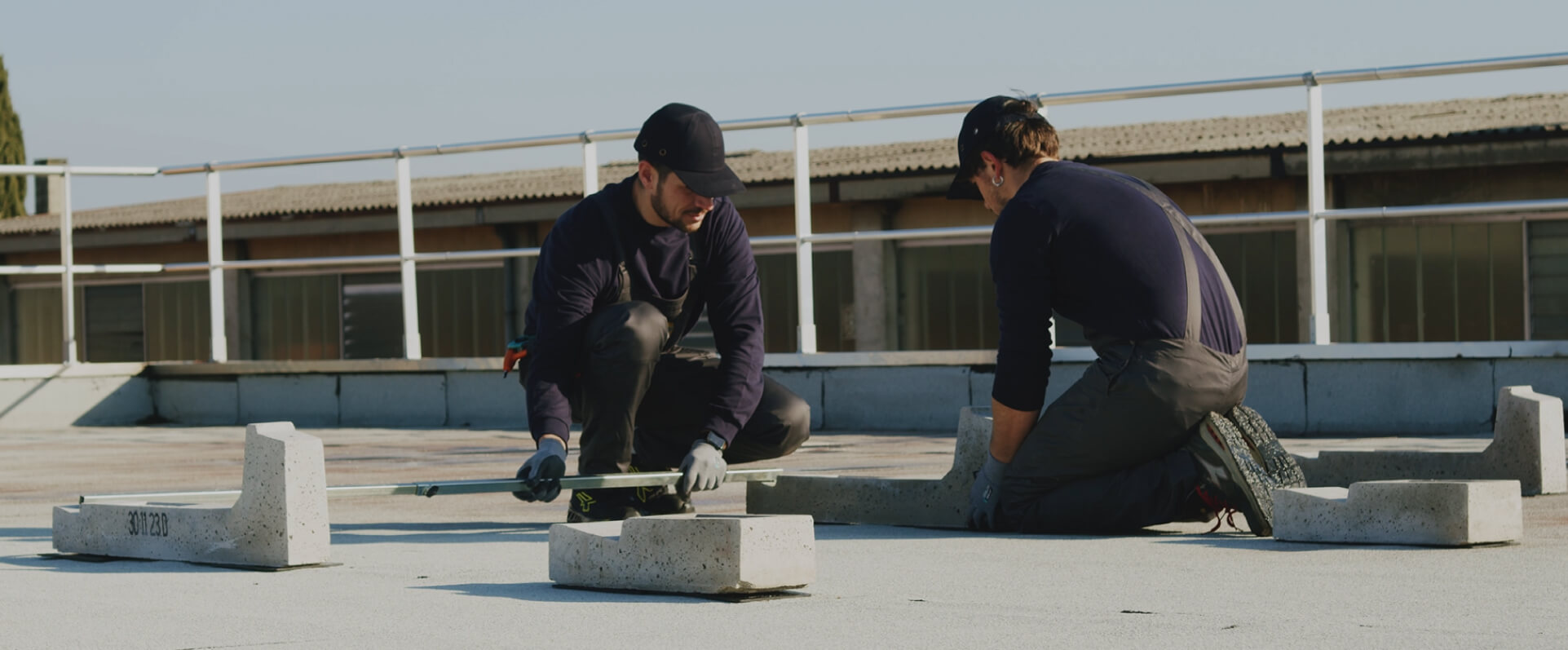
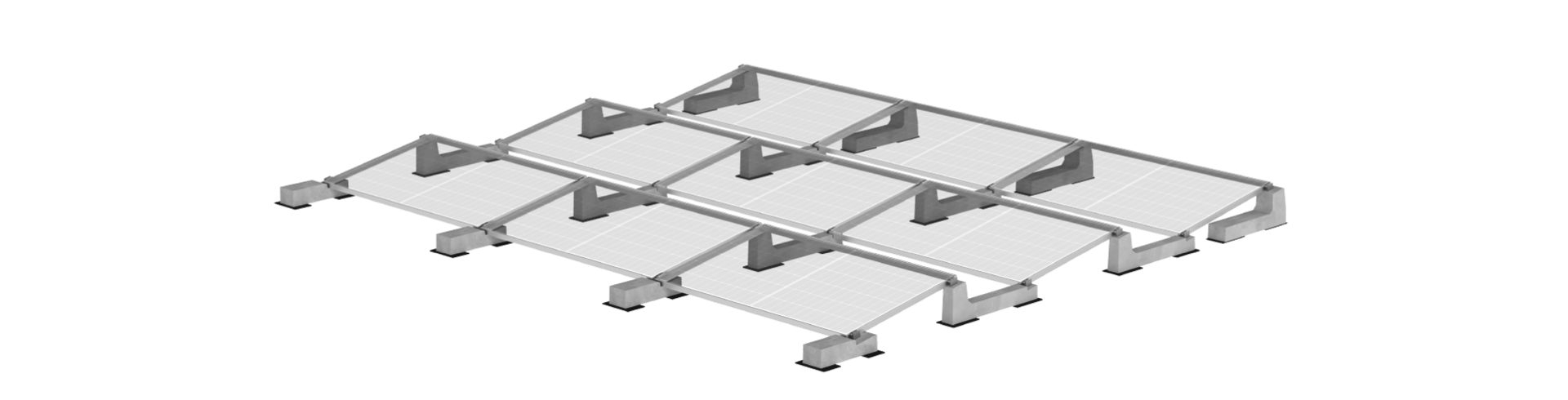
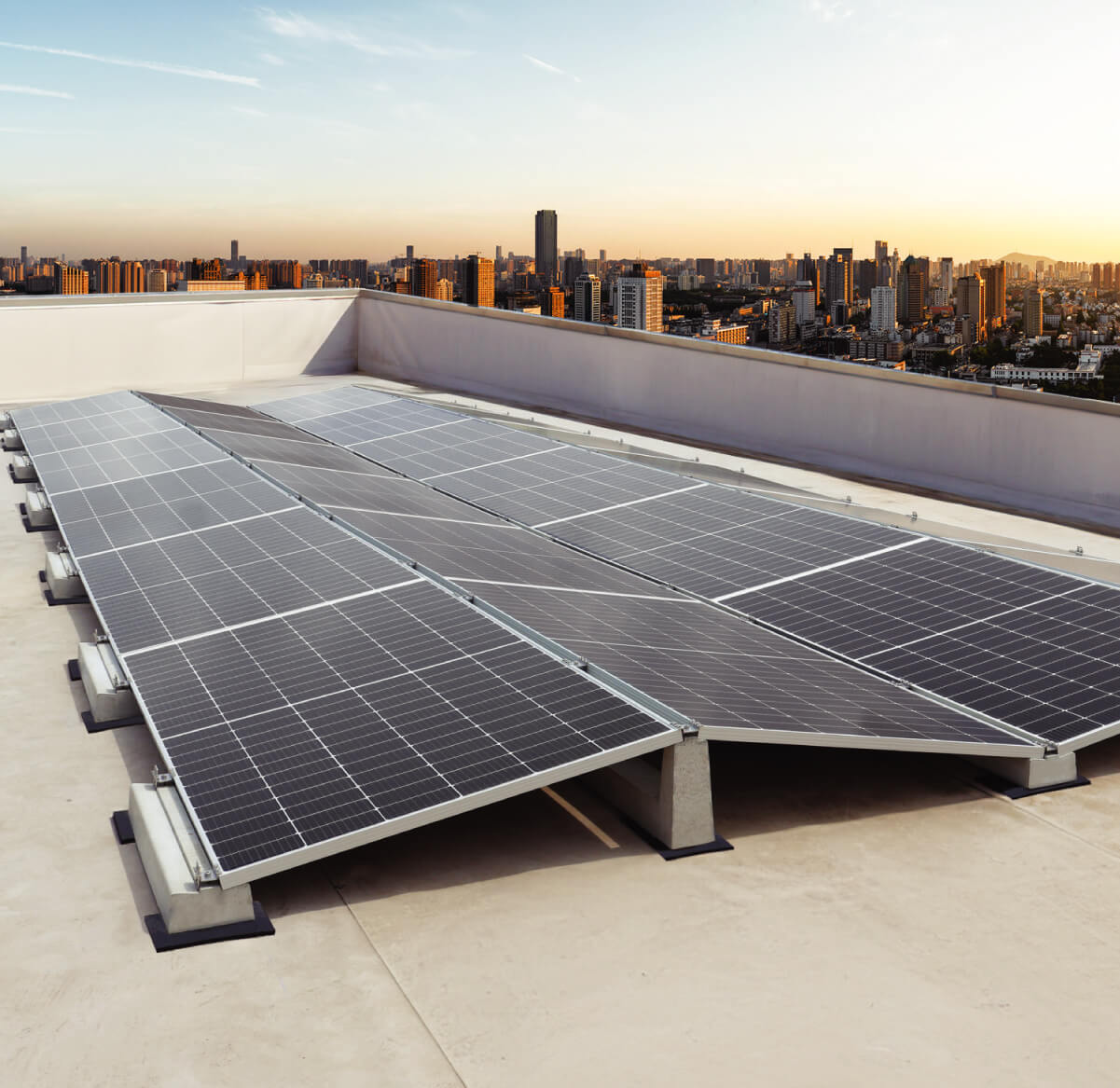
A concrete ballast approach delivers a practical advantage: panel
support without roof penetrations. This translates into cleaner workflows—no anchors, no complex
waterproofing details, and no waiting on specialist sealing operations. On flat roofs, the
ability to place pre-engineered supports, align module rows, and proceed quickly with electrical
work is a real productivity gain. These photovoltaic structural solutions can be configured for
different tilt angles, orientations, and module layouts, helping optimize energy yield while
staying within structural constraints. They also simplify material handling: fewer metal parts,
fewer fasteners, and a stable base that improves on-roof safety during assembly. From a
technical perspective, the key is correct sizing: wind exposure, parapets, roof zones, and
building height all influence ballast requirements. Having access to technical guidance, design
support, and dependable calculations reduces uncertainty and helps professionals deliver
projects that are both efficient and robust—especially when timelines are tight and performance
expectations are high.
A Complete B2B Solution: From Design Support
to Execution
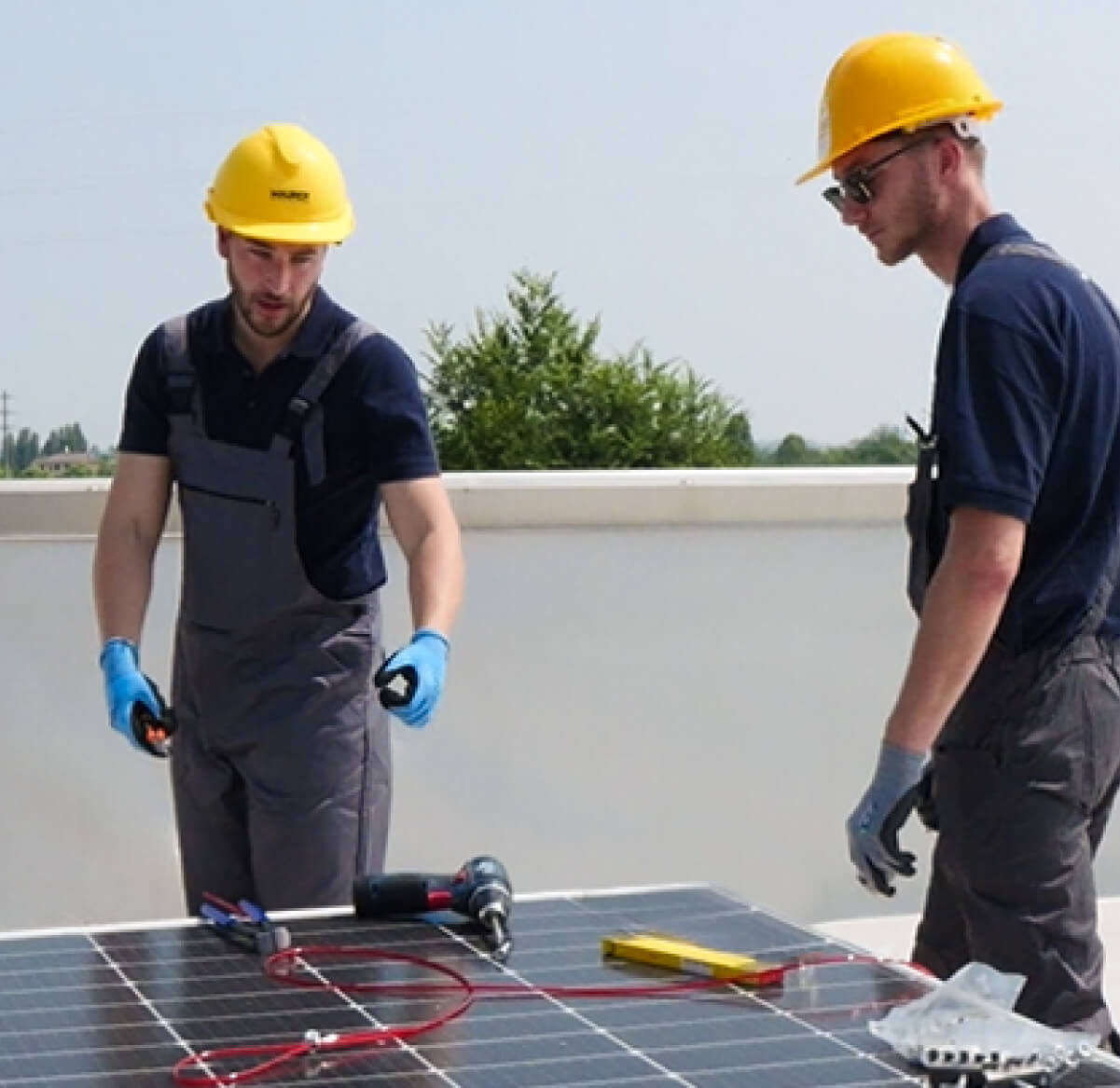
Installers and engineering teams don’t just need hardware—they
need a partner mindset that accelerates decisions and reduces risk. The most effective
photovoltaic structural solutions come with practical services: early-stage technical support,
system sizing, layout development, and project assistance that stays consistent through
execution. This helps installers standardize their process across multiple rooftops, avoid
last-minute changes, and quote jobs with greater confidence. For engineers, having validated
data and tested system behavior supports responsible design choices and clearer documentation.
For distributors, dependable availability and a solution that is easy to explain—“fast
installation, no roof drilling, fewer components”—creates steady demand. If your priority is to
make flat-roof PV in Italy simpler, safer, and more scalable, focus on solutions built around
reliability, installation simplicity, and continuous innovation. With the right structural
approach, you can cut time on site, protect the building envelope, and deliver a PV plant that
performs for years.