Planning: the smart way to install solar on
flat roofs
If you’re researching how to install solar panels on a flat roof,
start with a clear plan: it’s the difference between a smooth installation and delays on site.
For flat roofs in Italy—especially industrial sheds—your priorities are roof integrity, wind
resistance, and speed. First, check the roof membrane type (bitumen, TPO/PVC, gravel) and its
condition, because any unnecessary penetration increases leak risk and future maintenance costs.
Then verify structural capacity and permissible loads with the project engineer, including
permanent loads (modules, mounting system) and variable loads (wind and snow). Next, design the
layout: choose orientation (south or east–west), define row spacing to reduce self-shading, and
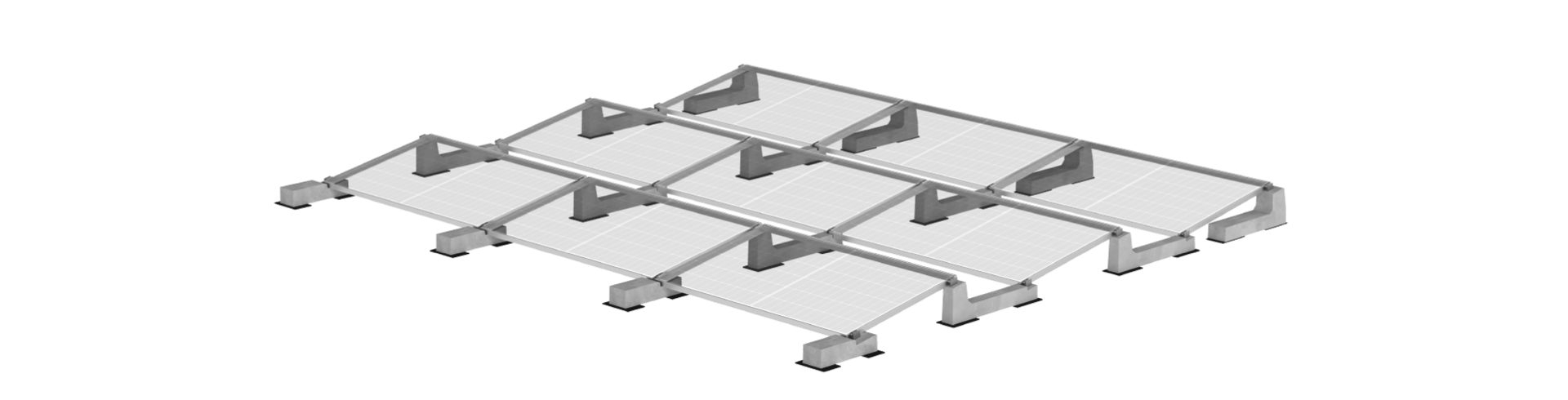
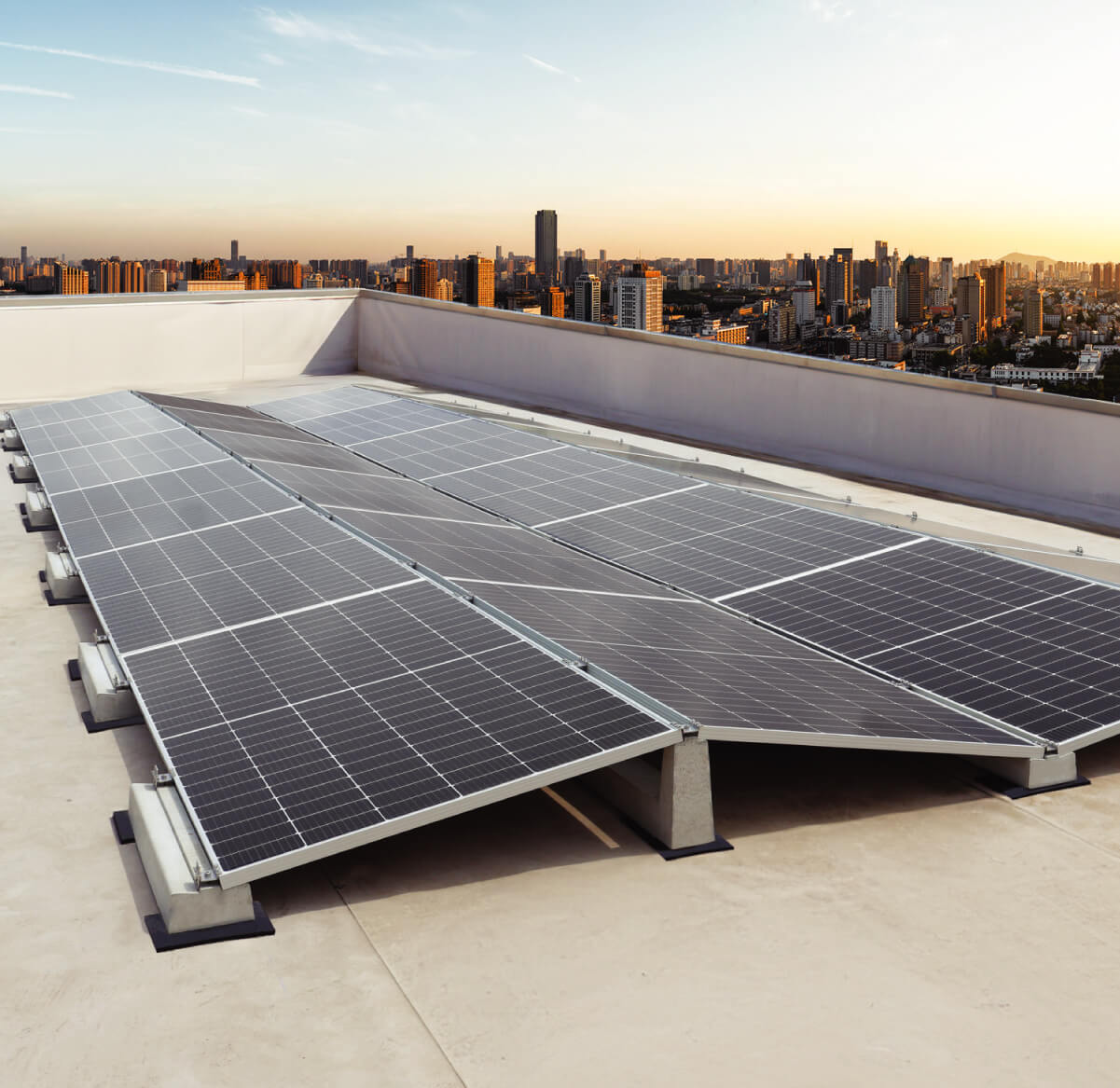
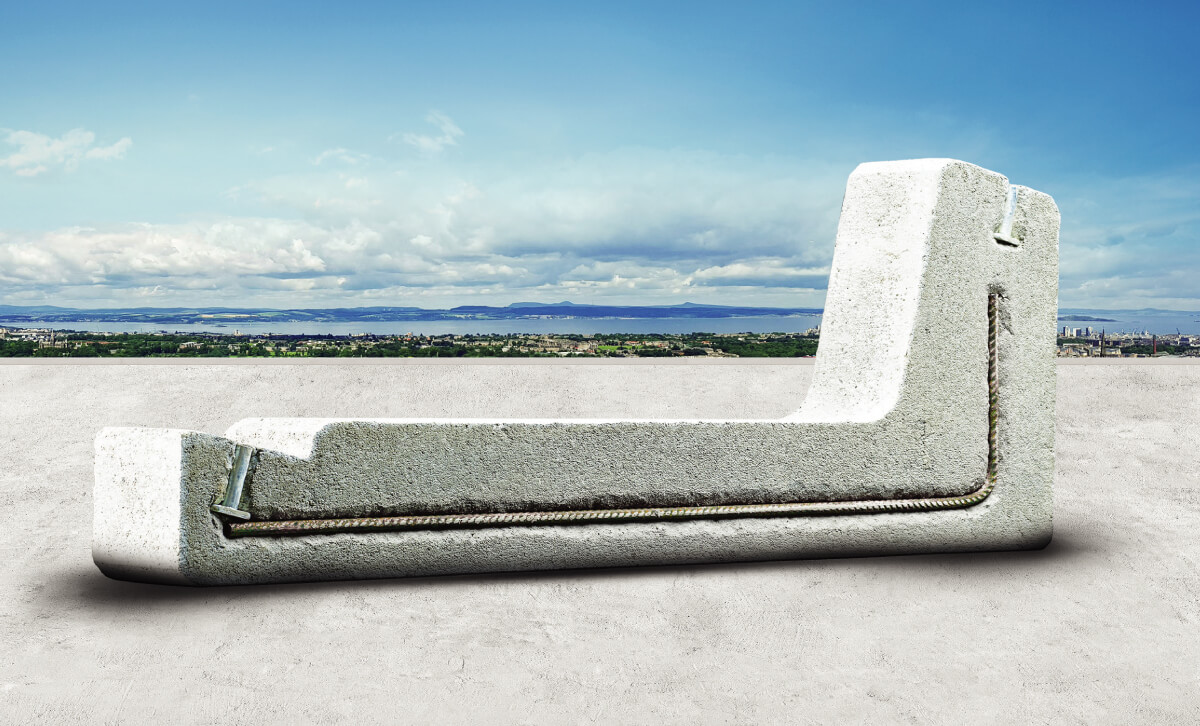
plan safe access paths for maintenance. In many cases, a non-penetrating ballasted system is the
fastest route: concrete ballast blocks keep the PV array stable without drilling into the
waterproofing. This reduces installation complexity, minimises components, and helps installers
work faster with fewer surprises. For designers, it also means predictable load distribution and
tested configurations that simplify calculations. Before ordering materials, confirm electrical
routing, inverter placement, cable tray paths, and earthing strategy, and ensure compliance with
local regulations and fire-safety requirements. A well-prepared method statement and lifting
plan will further cut downtime, especially on large flat-roof projects where logistics often
become the hidden cost driver.
Step-by-step: how to install solar panels on a
flat roof (non-penetrating approach)
A practical workflow for how to install solar panels on a flat
roof typically follows these steps. (1) Survey and set-out: mark the array boundaries,
maintenance corridors, and exclusion zones around skylights, drains, and parapets. (2) Protect
the membrane: add separation layers where required to prevent abrasion, especially on delicate
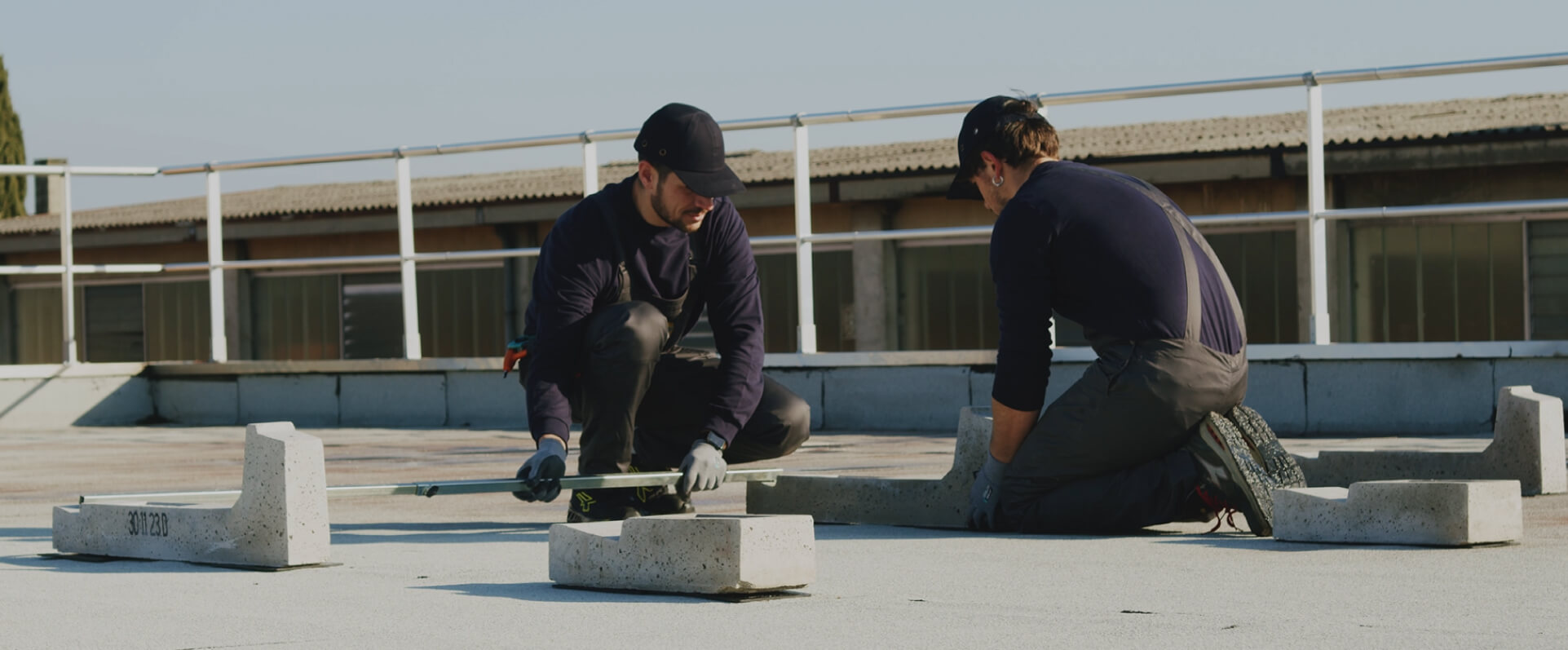
roof coverings. (3) Position the supports: place pre-cast concrete ballasts according to the
approved layout, keeping alignment tight to speed up module fitting. (4) Manage wind loads:
apply the engineered ballast plan—wind zones at corners and perimeters often require different
weights or configurations. (5) Fix the module structure: connect rails or integrated supports,
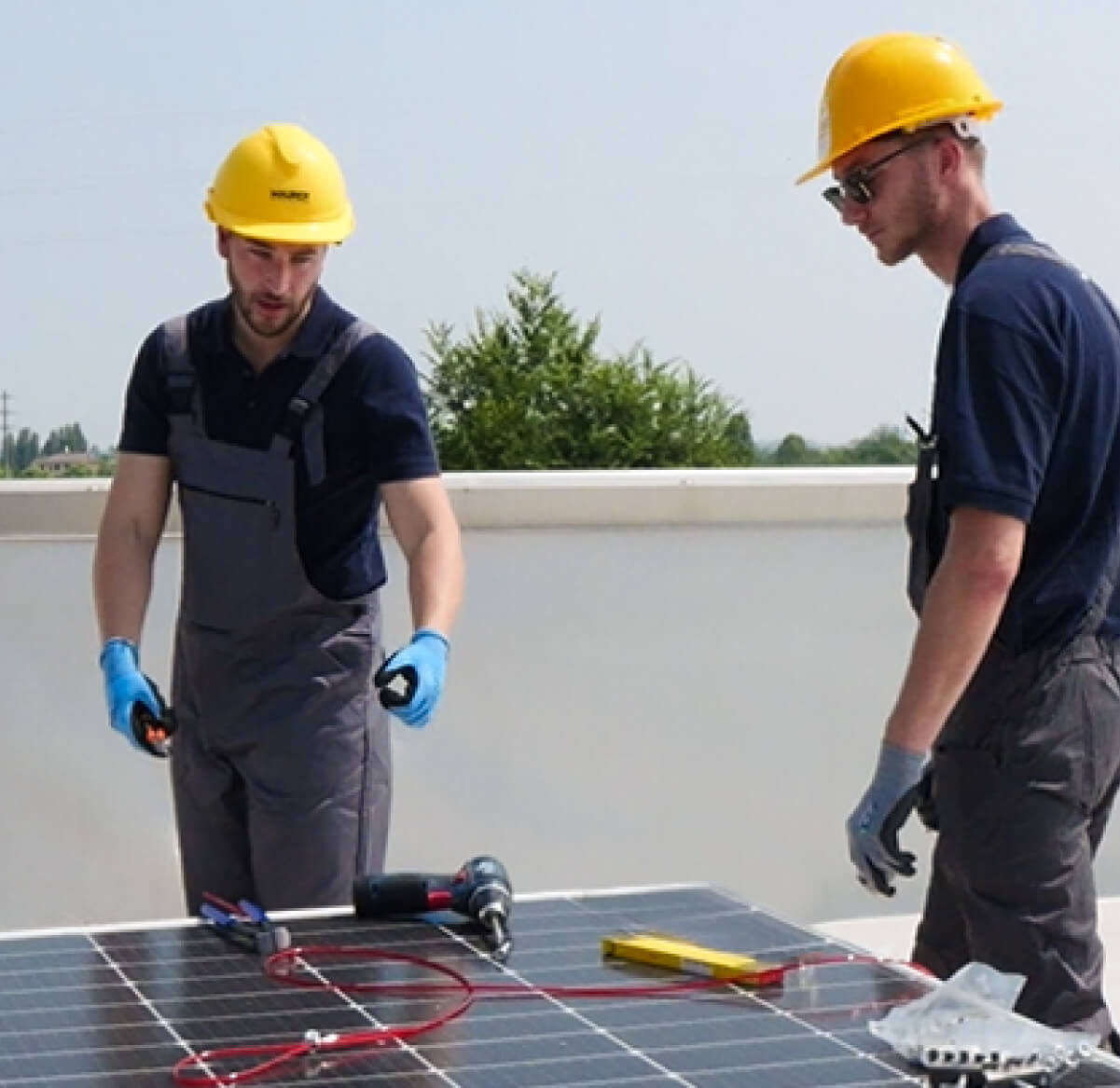
ensuring correct tilt angle for performance and drainage. (6) Install modules: clamp panels to
the structure with the specified torque, maintaining consistent mid/end clamp positions. (7)
Cable management: route DC cables neatly, avoid standing water areas, use UV-resistant
ties/clips, and keep cable runs off sharp edges. (8) Earthing and bonding: bond metallic parts
per standards and design documentation. (9) Electrical commissioning: insulation resistance,
polarity checks, string testing, and inverter start-up. (10) Final checks: verify ballast
placement, clear drainage paths, and label the system. This method is popular in Italy because
it limits roof penetrations, reduces leak risk, and lets experienced crews complete
installations quickly—ideal when the client needs minimal disruption.
Why installers choose ballasted flat-roof
systems for faster, safer projects
For professionals, the real advantage in learning how to install
solar panels on a flat roof is choosing a solution that removes common site headaches. Ballasted
mounting with concrete weights is persuasive because it’s simple: fewer parts to assemble, fewer
tools, and no drilling through the waterproof layer. That translates into shorter installation
times, cleaner workmanship, and reduced call-backs linked to roof leaks. It’s also informative
from a design standpoint: tested configurations and technical support can streamline wind
calculations, load distribution checks, and documentation for permitting. In Italy’s varied wind
zones and coastal areas, having a defined ballast strategy for perimeter and corner effects
helps protect performance and reliability over the long term. Another benefit is flexibility:
layouts can be optimised for south-facing tilt or east–west arrangements to maximise kWh on
industrial consumption profiles, while keeping safe walkways for O&M. For distributors and
project stakeholders, these systems are easier to specify and communicate because the concept is
straightforward and widely requested. If your goal is to deliver more flat-roof PV projects with
less complexity, prioritise non-penetrating ballasted solutions, clear engineering data, and a
partner-style technical approach through to execution. To explore proven flat-roof
configurations and technical resources for the Italian market, visit www.sunballast.com.