Why Solar Mounting Hardware Matters on Italian
Flat Roofs
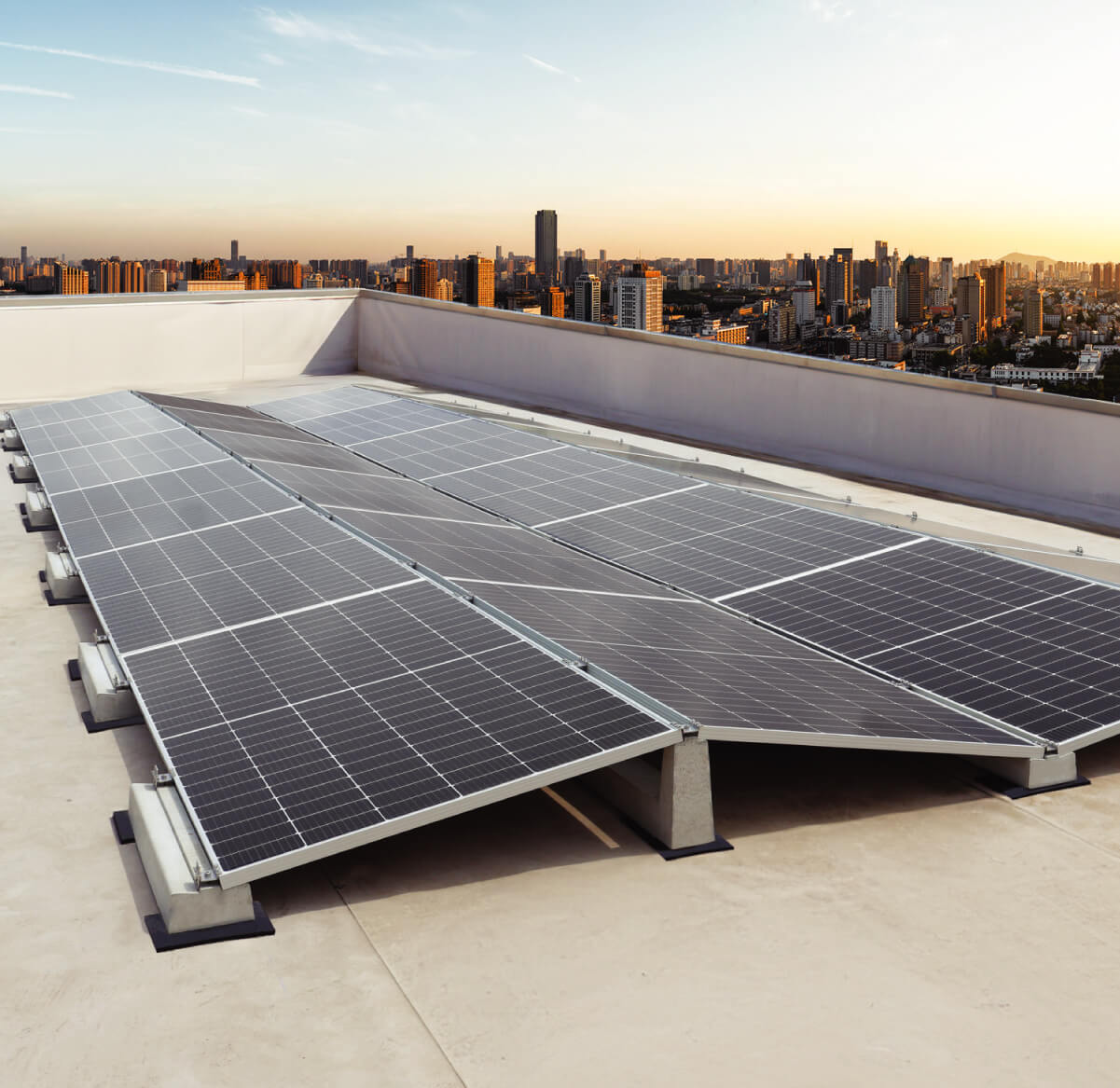
In Italy, flat-roof photovoltaics keeps growing, but performance
starts long before the first module produces energy. It starts with the right solar mounting
hardware. For installers and designers, the mounting system is often the difference between a
smooth job and a stressful one: too many components, slow alignment, uncertain roof
waterproofing, and time-consuming fixes can erode margins fast. That’s why ballasted solutions
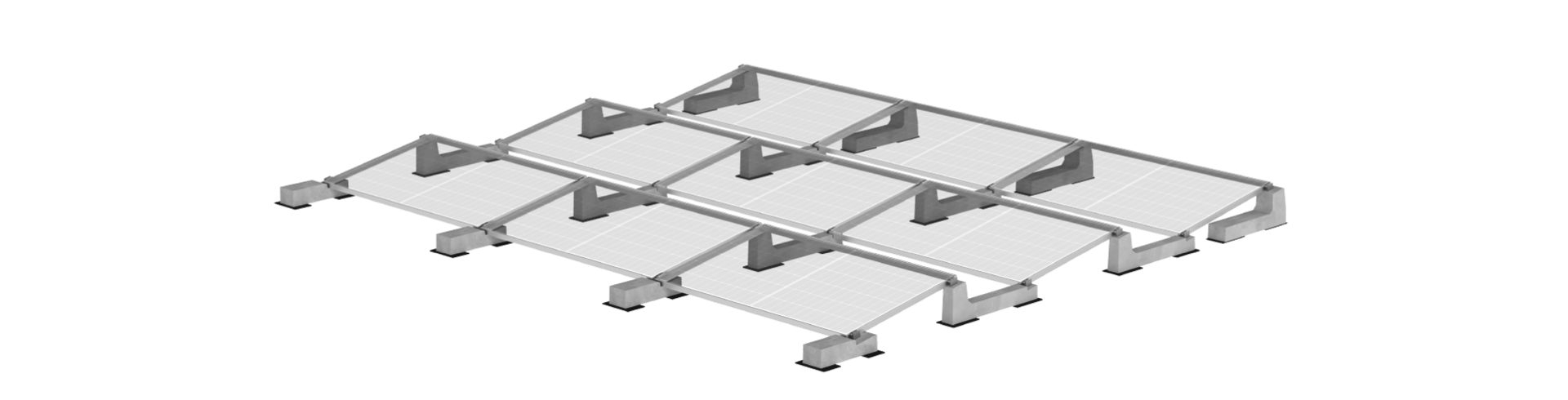
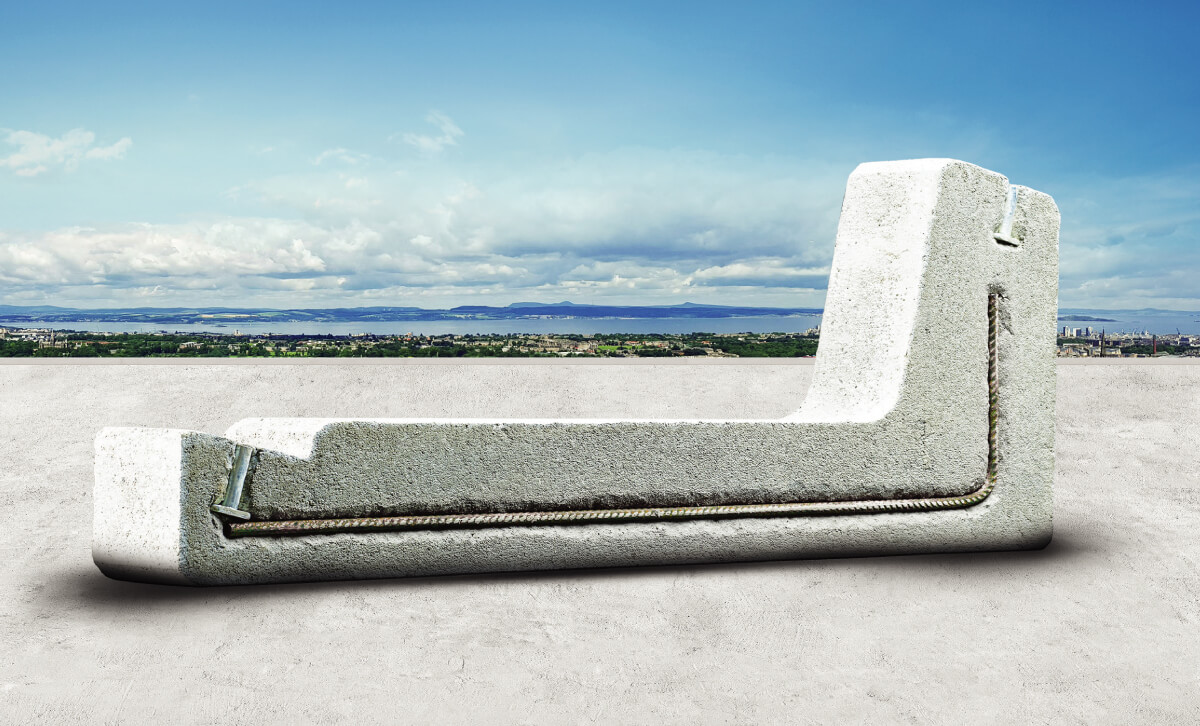
are gaining so much attention in commercial and industrial projects. By using concrete ballast
supports, panels can be secured without roof penetrations, helping protect membranes and reduce
leakage risk. The result is a cleaner workflow on site, fewer variables during installation, and
a mounting approach that’s easier to standardize across multiple rooftops. Good solar mounting
hardware should also support accurate engineering: predictable loads, clear technical data, and
configurations that fit typical Italian roof layouts. Whether you’re working on warehouses,
logistics hubs, or large commercial buildings, the right hardware streamlines
everything—planning, delivery, assembly, and final checks. And when deadlines are tight,
simplicity becomes a competitive advantage. Choose mounting hardware that is tested, durable,
and designed specifically for flat roofs, so your team can focus on electrical work and
commissioning instead of fighting the structure. When the support system is solid, the whole PV
project feels lighter.
A Faster, Safer Installation: No Drilling,
Fewer Headaches
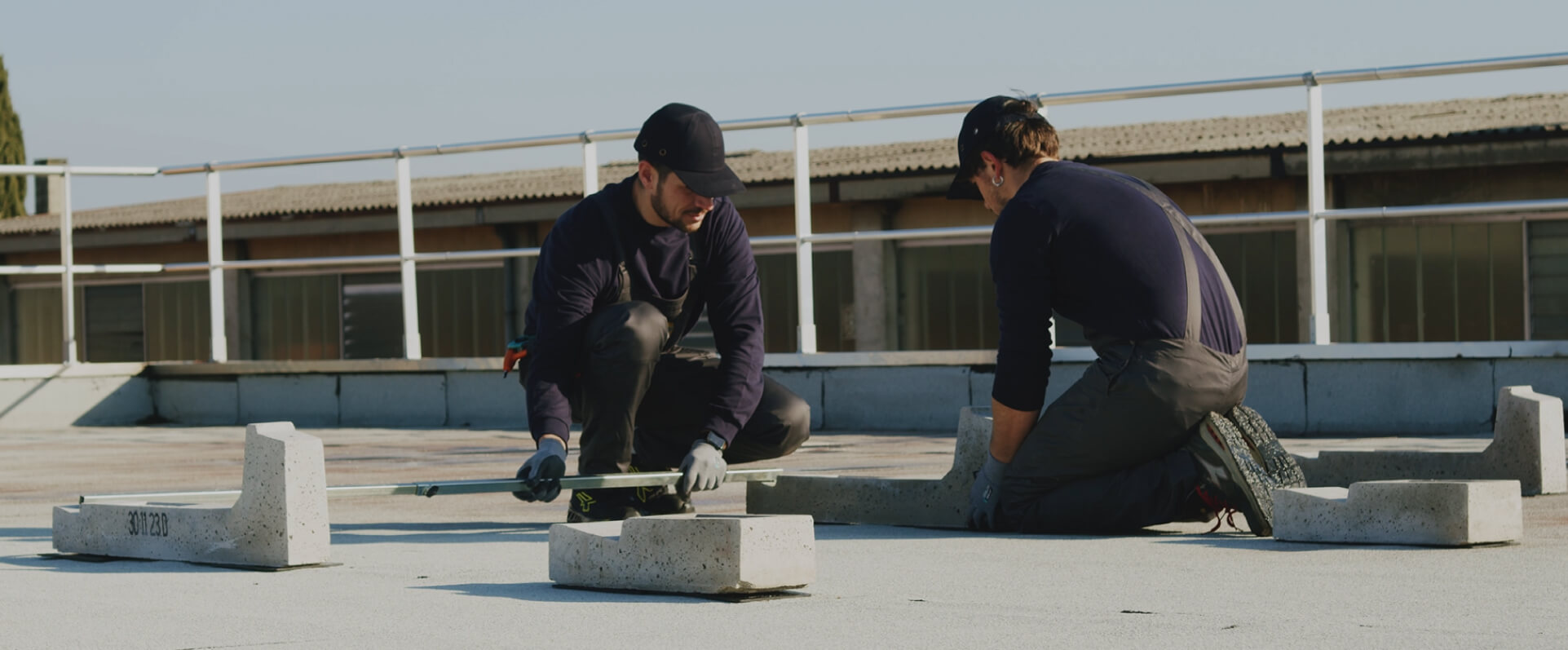
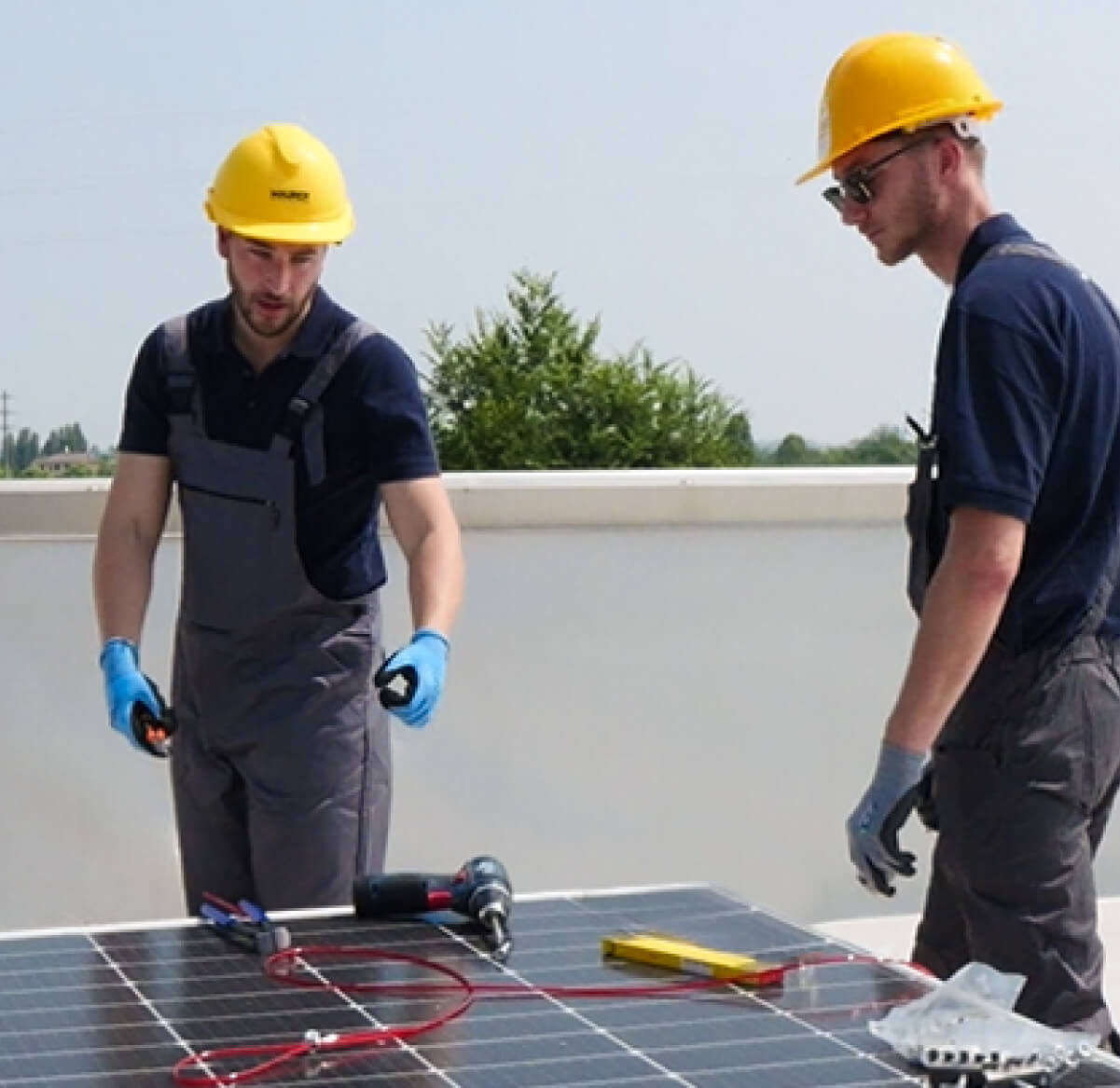
Installers value solar mounting hardware that reduces steps and
eliminates avoidable risks. A ballasted mounting method can cut installation time because it
typically means fewer roof operations: no drilling, no anchors, and less coordination with
waterproofing contractors. That translates into quicker set-up, simpler crew training, and more
consistent results across different sites. For flat roofs in Italy—often featuring membranes,
insulation layers, and strict building requirements—avoiding penetrations is a practical
advantage. You also gain cleaner logistics: standardized ballast elements, repeatable
positioning, and straightforward module fixing. From an on-site perspective, reliable solar
mounting hardware should feel intuitive: align the supports, place the modules, secure the
clamps, and move to the next row. Less time spent on structural complexity means more time for
quality checks, cable management, and system commissioning. The best solutions are designed to
handle wind considerations and roof loads with tested configurations, helping reduce
uncertainties. If you’re managing multiple installs per month, the cumulative impact is
significant: fewer delays, fewer call-backs, and happier clients. In short, solar mounting
hardware should protect the roof, protect your schedule, and protect your reputation—especially
when you’re competing in a market where speed and reliability decide who gets the next project.
Technical Support and Proven Data for
Designers and Distributors
For engineers, technical offices, and distributors, solar mounting
hardware must come with more than physical components—it must come with confidence. That means
access to reliable documentation, clear performance parameters, and support during system
sizing. Wind exposure, ballast requirements, and roof load distribution are not details; they
are core design responsibilities. Choosing a flat-roof ballast system with proven test data and
standardized layouts can reduce the engineering burden and help make approvals smoother.
Distributors benefit too: a recognizable, purpose-built solar mounting hardware solution is
easier to specify, easier to stock, and easier to explain to professional customers. For
projects across Italy, responsiveness matters—fast technical answers, practical guidance during
planning, and assistance from early design through execution. When the mounting system is
engineered as a complete solution, you minimize incompatibilities and reduce time lost between
design and installation. Look for hardware that supports common module formats, flexible
orientations, and scalable configurations, so it can adapt from small commercial roofs to large
industrial arrays. Ultimately, solar mounting hardware should help every stakeholder do their
job better: installers work faster, designers work safer, and distributors deliver a product
that the market trusts—without naming brands, the priority remains the same: build PV systems
that last.