Solar mounting hardware for pitched roofs:
what really matters on site
Choosing the right solar mounting hardware for pitched roofs is
one of the quickest ways to protect your margins, your schedule, and your reputation. On Italian
job sites, installers and designers face the same pressure: deliver a clean, compliant PV system
without surprises—despite variable roof coverings, tight access, and changing wind loads. The
best roof mounting hardware isn’t just “strong”; it’s designed to reduce steps, simplify
alignment, and keep waterproofing intact. Look for systems built around reliable roof hooks or
roof brackets, quality rails, mid and end clamps, and stainless-steel fasteners with proven
corrosion resistance. Compatibility with common pitched roof types—tile roofs, metal sheet
roofs, and standing seam profiles—can save hours of improvisation. A good design also helps
cable management and neat module spacing, which clients notice immediately. From a technical
standpoint, the priority is load transfer: you want predictable behavior under uplift and snow,
plus clear documentation for calculations and permits. From an installer’s point of view, you
want fewer components, intuitive assembly, and easy stock management. When the mounting kit
comes with technical sizing support—wind, ballast or anchoring approach, and layout guidance—you
reduce risk and speed up commissioning. In short, solar mounting hardware for pitched roofs
should feel like a complete solution, not a box of parts.
Key features to compare: durability, speed,
and roof protection
When comparing solar mounting hardware for pitched roofs, start
with durability: certified materials, robust rail profiles, and stainless hardware (A2/A4) help
prevent future call-backs. Then focus on installation speed. Pre-assembled components, click-in
clamps, and adjustable roof hooks reduce measuring time and make it easier to keep rows
straight. Roof protection is non-negotiable: every penetration must be managed correctly, with
proper flashing and gaskets, to avoid leaks and liability. For designers, clear technical
sheets, tested pull-out values, and guidance on spacing and edge zones are essential for
structural verification. For distributors, modular kits that cover multiple roof coverings with
minimal SKUs are easier to stock and sell. Also consider long-term maintenance: hardware that
allows quick module removal without dismantling entire rows is a real advantage. Finally, don’t
ignore aesthetics—low-profile rails, consistent clamp colors, and tidy cable routing contribute
to a premium finish that helps you win referrals in a competitive market.
A smarter approach: get project support, not
just components
The fastest way to choose solar mounting hardware for pitched
roofs is to work with a technical partner who supports the project from sizing to execution.
That means getting help with layout optimization, load assessments, and practical installation
details before materials reach the roof. For installers, this translates into fewer on-site
decisions, fewer mistakes, and a smoother crew workflow—especially when the roof has complex
geometry or mixed coverings. For engineers and studios, it means reliable inputs for
calculations and clearer responsibility management. For wholesalers, it means a product that’s
easier to position because it’s backed by real expertise. If your business also operates on flat
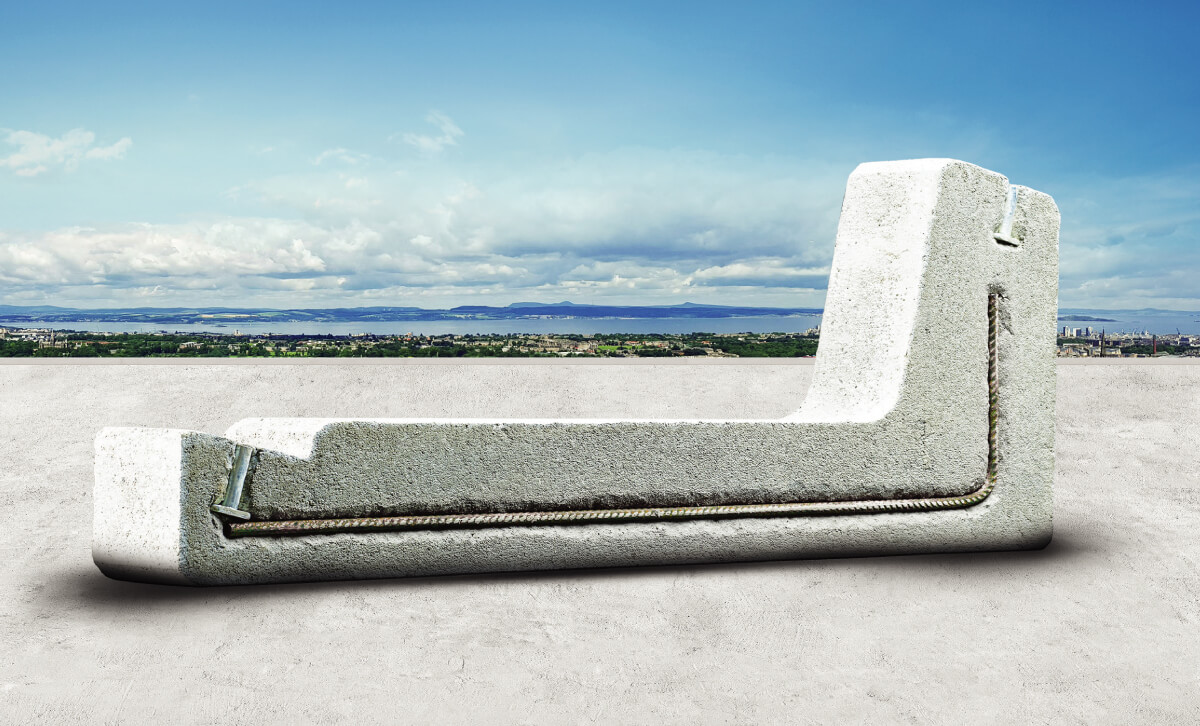
roofs, consider partnering with a specialist known for concrete ballasted PV supports designed
to avoid roof penetrations—an approach that reduces waterproofing risks and accelerates
installation on large industrial buildings. Whether you’re mounting on pitched or flat roofs,
the goal is the same: safe, certified systems that install quickly and perform for decades. If
you want to streamline your next job in Italy, prioritize mounting solutions that combine tested
hardware, simple assembly, and responsive technical support.