Why Solar Mounting Fasteners Matter on Flat
Roofs
Choosing the right solar mounting fasteners can make or break a
flat-roof photovoltaic project—especially in Italy, where installers and designers often work
under tight timelines and strict safety expectations. Traditional rooftop fastening methods can
involve roof penetrations, waterproofing concerns, and extra hardware that slows crews down.
That’s why many professionals are shifting toward non-penetrating approaches that reduce
dependency on complex fastener kits while keeping the array secure. In practice, smarter
fastening strategies mean fewer installation steps, less time spent aligning rails and clamps,
and fewer chances for on-site errors. For installers, that translates into faster commissioning
and fewer call-backs. For engineers, it means more predictable structural behavior and easier
documentation for wind load and ballast calculations. When evaluating solar mounting fasteners,
look beyond the piece itself: consider the full mounting ecosystem—panel clamps, brackets,
grounding paths, corrosion resistance, and compatibility with flat-roof layouts. A well-planned
solution can minimize components, simplify logistics, and keep the waterproof membrane
untouched. The result is a cleaner jobsite workflow and a safer roof. In a B2B market,
reliability and speed are not “nice to have”—they are the difference between a profitable
installation and a stressful one. That’s why modern flat-roof PV systems increasingly prioritize
ballast-based support and streamlined fastening where it actually adds value.
Reduce Roof Risk with Non-Penetrating,
Ballast-Based Mounting
On flat roofs, the biggest concern isn’t only holding modules in
place—it’s protecting the roof itself. Roof penetrations introduce long-term maintenance risks
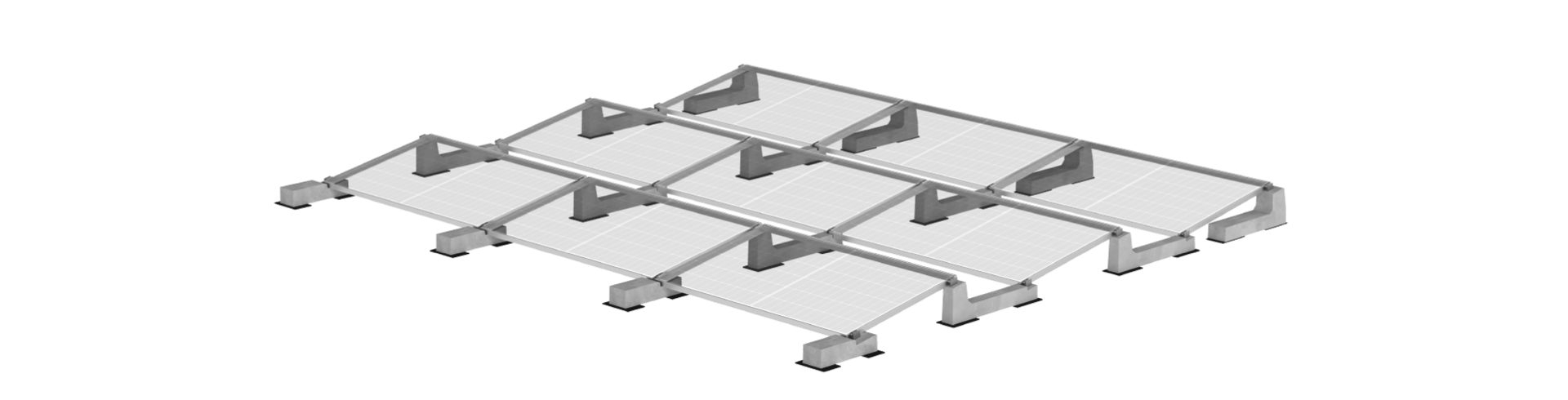
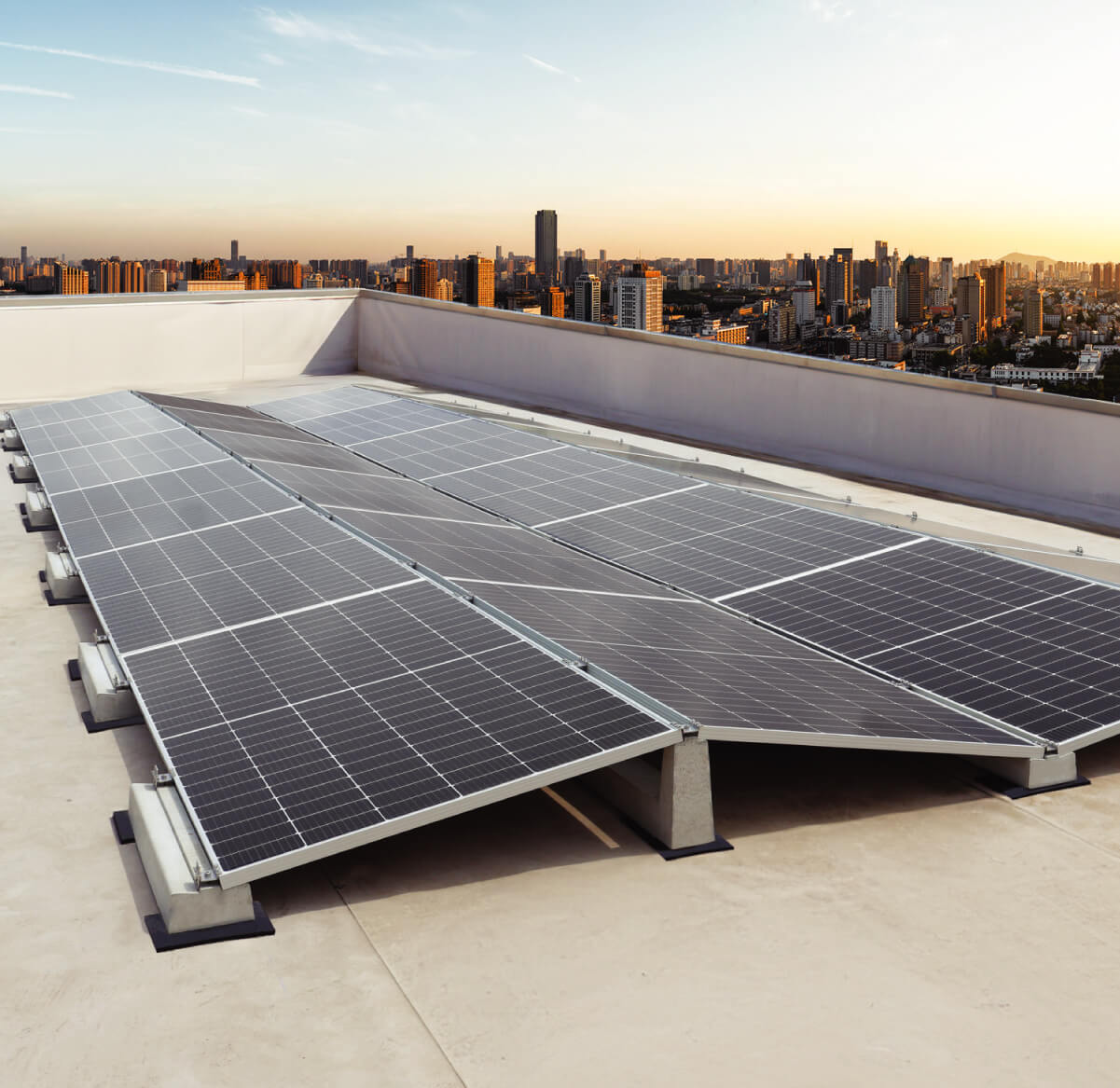
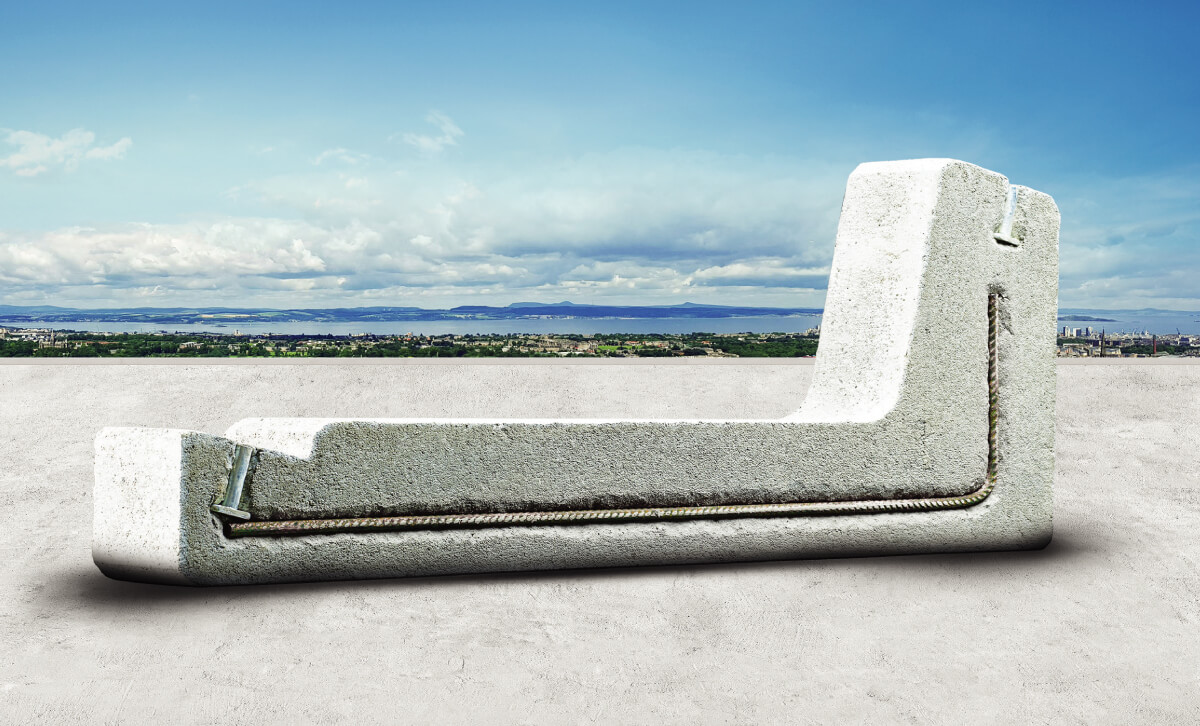
and can complicate warranties. A ballast-based mounting approach addresses this by using
concrete weights to stabilize the array without drilling. This changes the role of solar
mounting fasteners: instead of relying on numerous roof anchors, the system focuses on secure
module clamping, correct tilt geometry, and durable connections that withstand weather exposure.
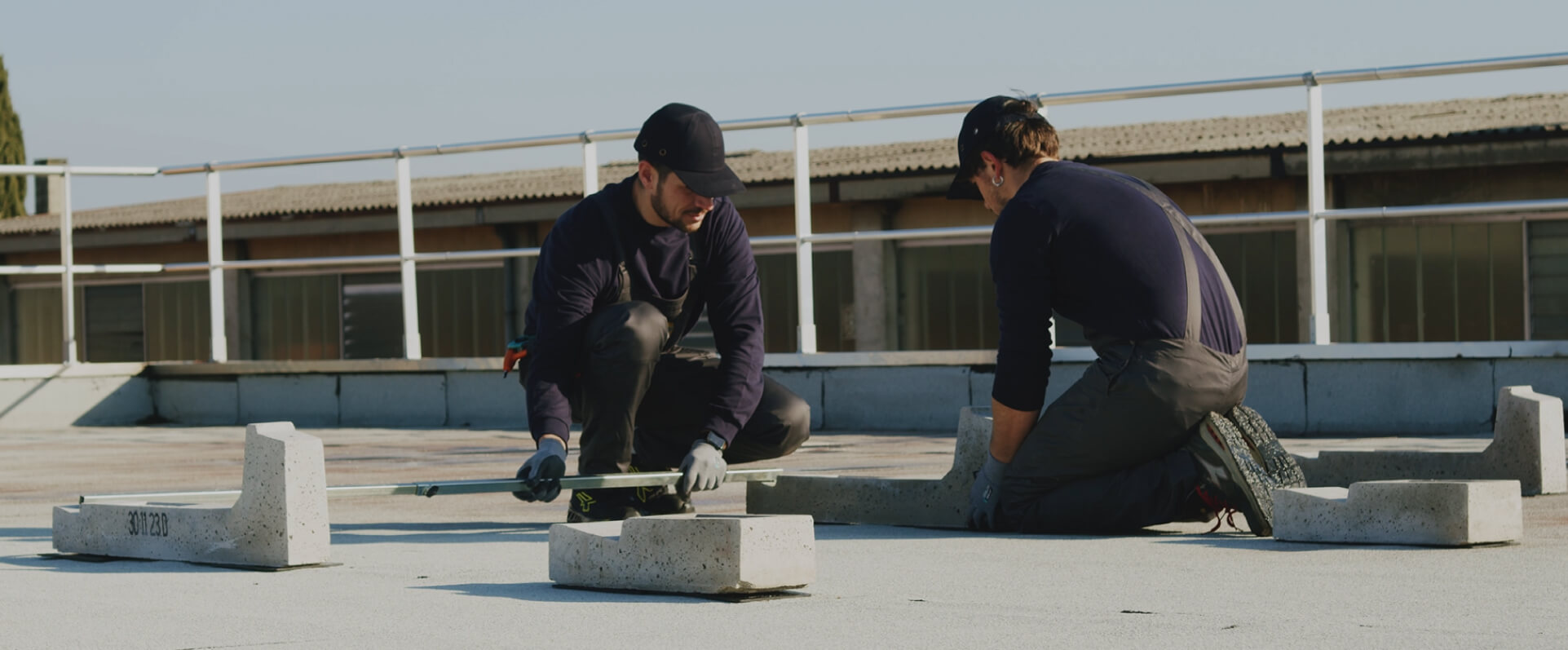
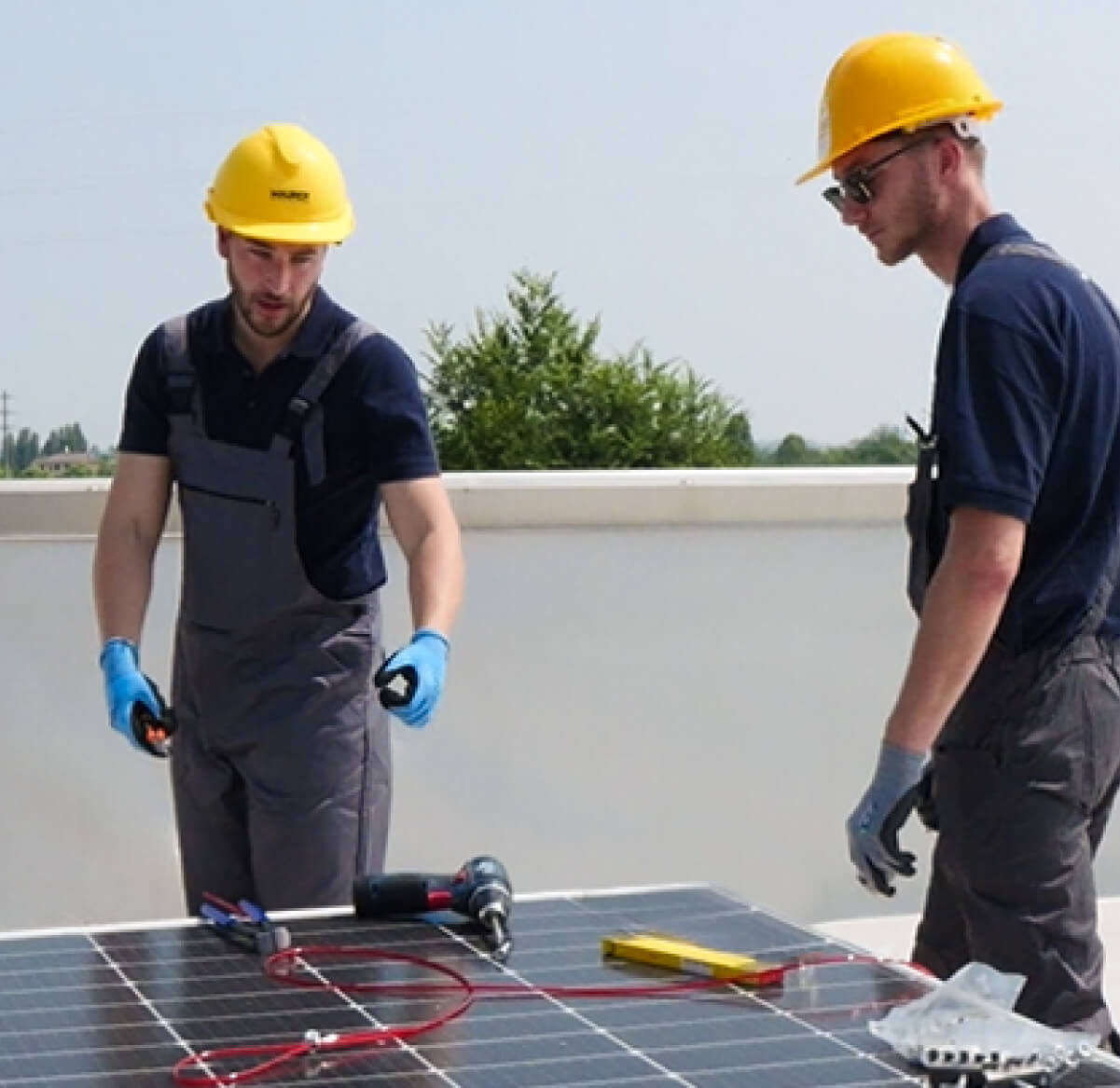
For installers, fewer roof fixings typically mean fewer tools, fewer consumables, and a faster
learning curve for crews. For designers, it supports clearer load distribution and simplifies
compliance discussions around wind uplift and roof capacity. Related components still matter—end
clamps, mid clamps, stainless hardware, cable management clips, and bonding/earthing
accessories—yet they work within a simpler overall architecture. The key is using tested,
durable materials and a configuration that has been engineered for flat-roof conditions,
including drainage considerations and membrane protection layers. When the mounting solution is
designed as a complete package—technical sizing, layout support, and execution-ready
documentation—projects move from proposal to installation with less friction. That’s exactly
what professional EPC teams and distributors value: repeatable results, predictable lead times,
and a system that sells itself on jobsite performance.
What Installers and Designers Should Look For
If you’re specifying solar mounting fasteners for a flat-roof PV
plant, focus on three outcomes: speed, certainty, and durability. Speed comes from reduced parts
and intuitive assembly—think fewer rails, fewer roof attachments, and clamp solutions that align
quickly. Certainty comes from engineering support: wind calculations, ballast sizing, and
layouts tailored to the roof and module format. Durability comes from robust hardware choices
(for example stainless steel fasteners where needed), corrosion resistance, and long-term
mechanical stability under thermal cycles and wind events. In Italy’s competitive PV market,
installers want to finish more projects per month without sacrificing quality; designers want
traceable data and tested configurations to reduce professional risk; distributors want a
reliable, easy-to-explain product line with consistent demand. A non-penetrating flat-roof
system built around concrete ballast can help deliver all three—while keeping the roof intact.
When fasteners are integrated into a complete mounting solution—module clamps, brackets,
bonding, and cable management included—you avoid piecemeal compatibility issues and reduce
on-site improvisation. The best approach is to choose a proven flat-roof mounting system that
minimizes roof risk, accelerates installation, and includes technical support from planning
through execution. That way, your solar mounting fasteners are not just hardware—they’re part of
a faster workflow and a safer, more bankable PV installation.