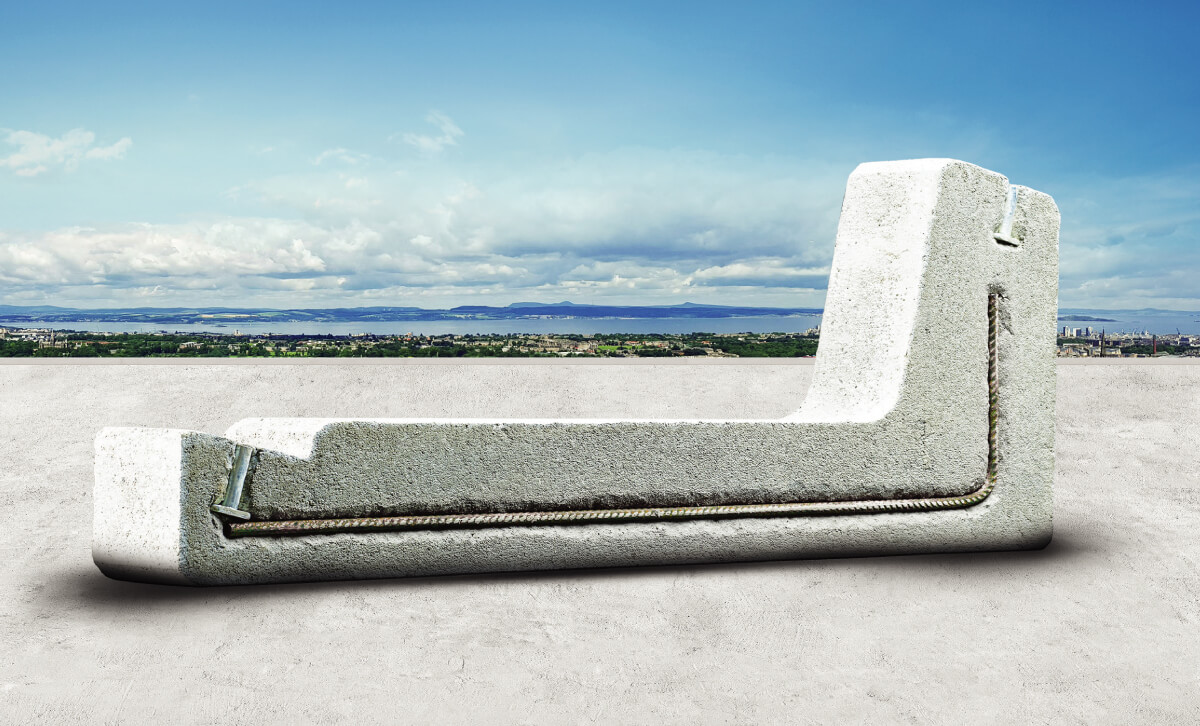
Why Solar Mounting Components Matter on
Italian Flat Roofs
Choosing the right solar mounting components is often the
difference between a smooth installation and days of delays on site—especially on flat roofs
common across Italy’s industrial buildings. Installers and designers need mounting solutions
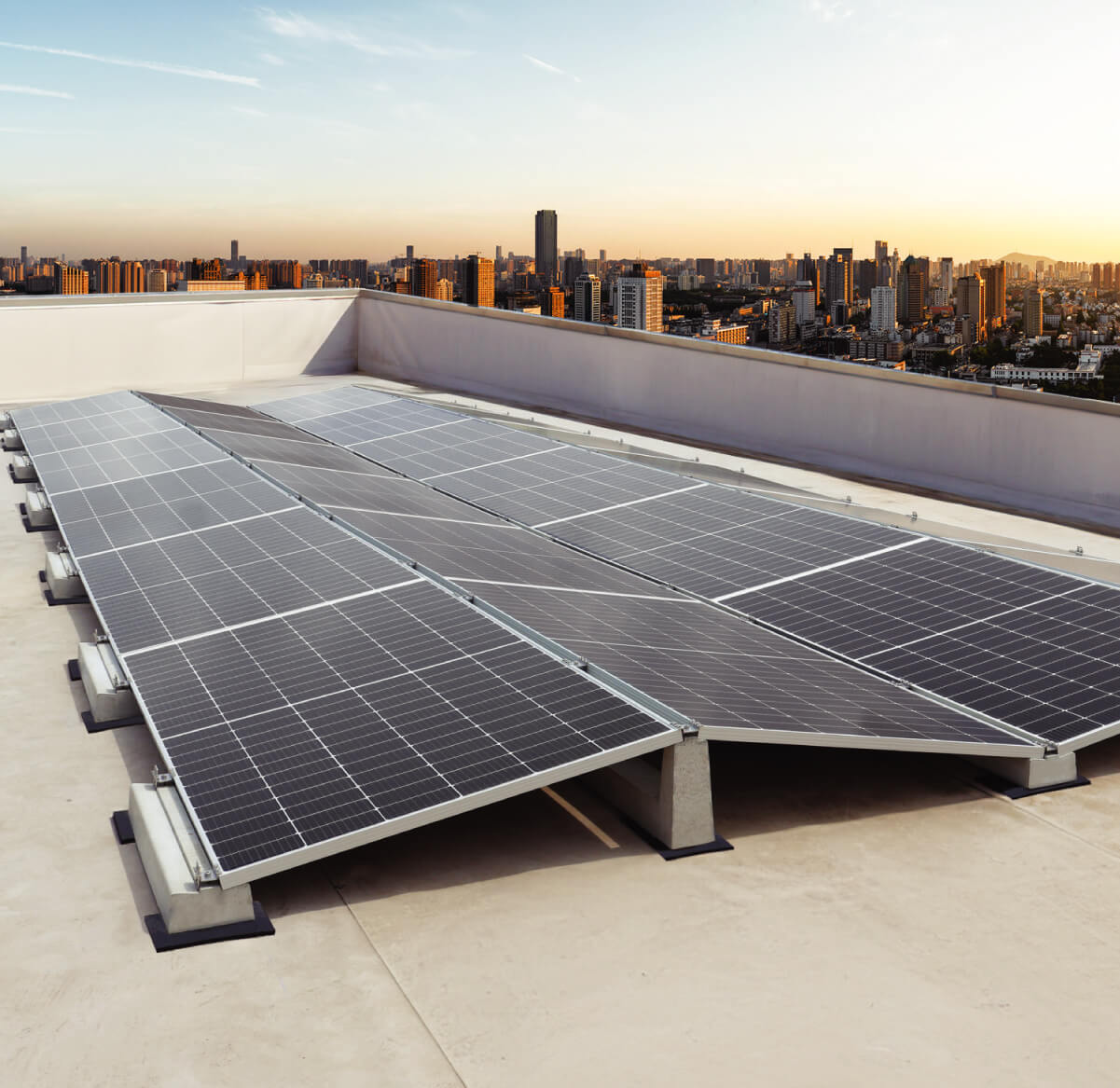
that are fast, predictable, and roof-safe. A no-penetration approach using concrete ballast
supports helps avoid drilling into the membrane, reducing the risk of water ingress and
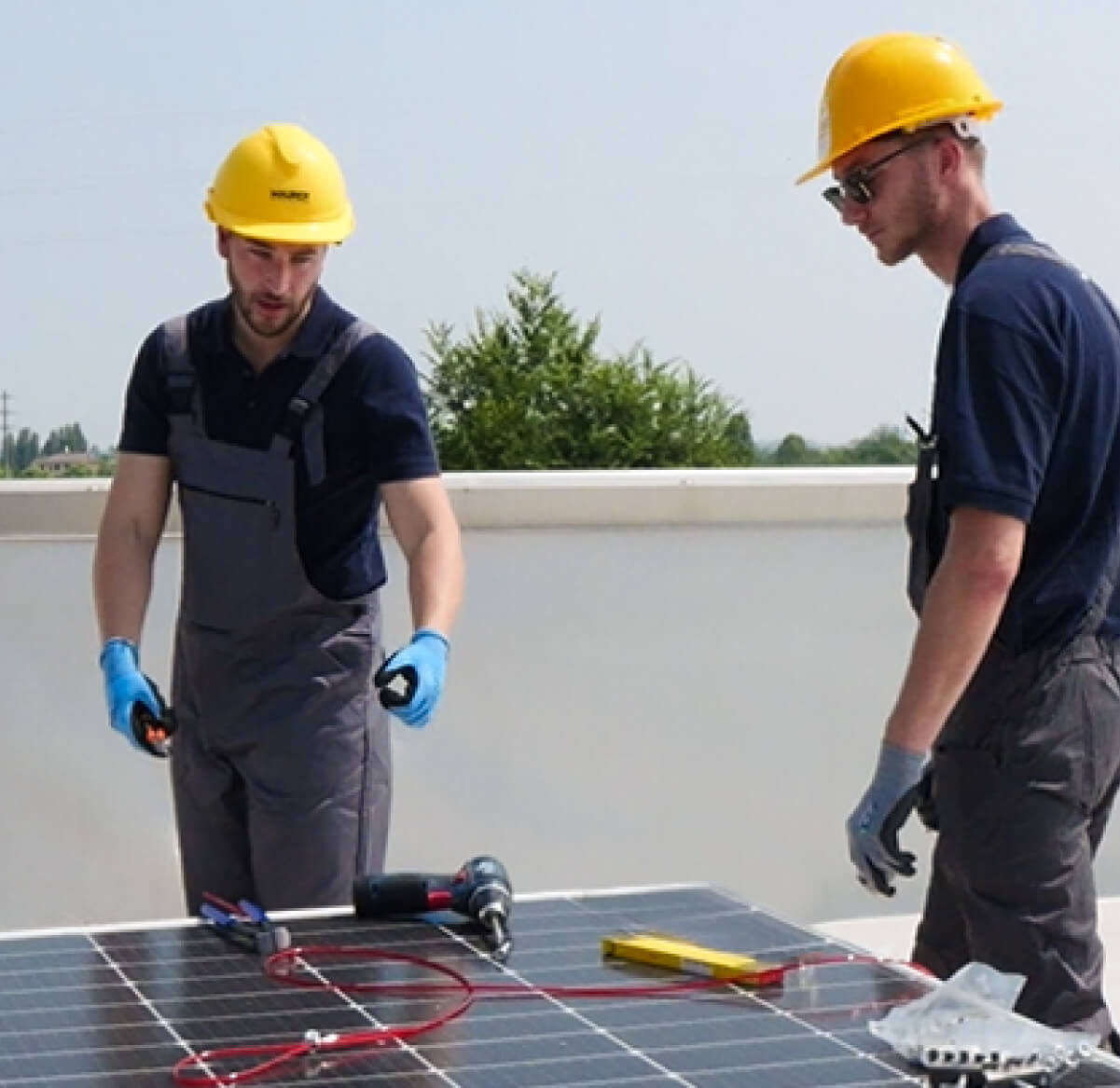
simplifying waterproofing concerns. With fewer small parts to manage, crews can keep workflows
clean and consistent, even when working under tight deadlines. For engineering teams, reliable
documentation and tested performance are essential: wind loads, roof loads, and array geometry
must be validated with confidence to protect both the project and professional responsibility.
For distributors, recognizable systems that solve real problems are easier to move, because
demand is driven by speed, safety, and simplicity. In short, the best mounting hardware for
photovoltaic systems is not just “metal and fasteners”—it’s a practical method that reduces
complexity. If your goal is to install more systems per week, lower the chance of call-backs,
and keep roofs intact, focusing on purpose-built racking components for flat-roof PV is one of
the smartest decisions you can make.
Concrete Ballast Solutions: Fewer Parts,
Faster Installations
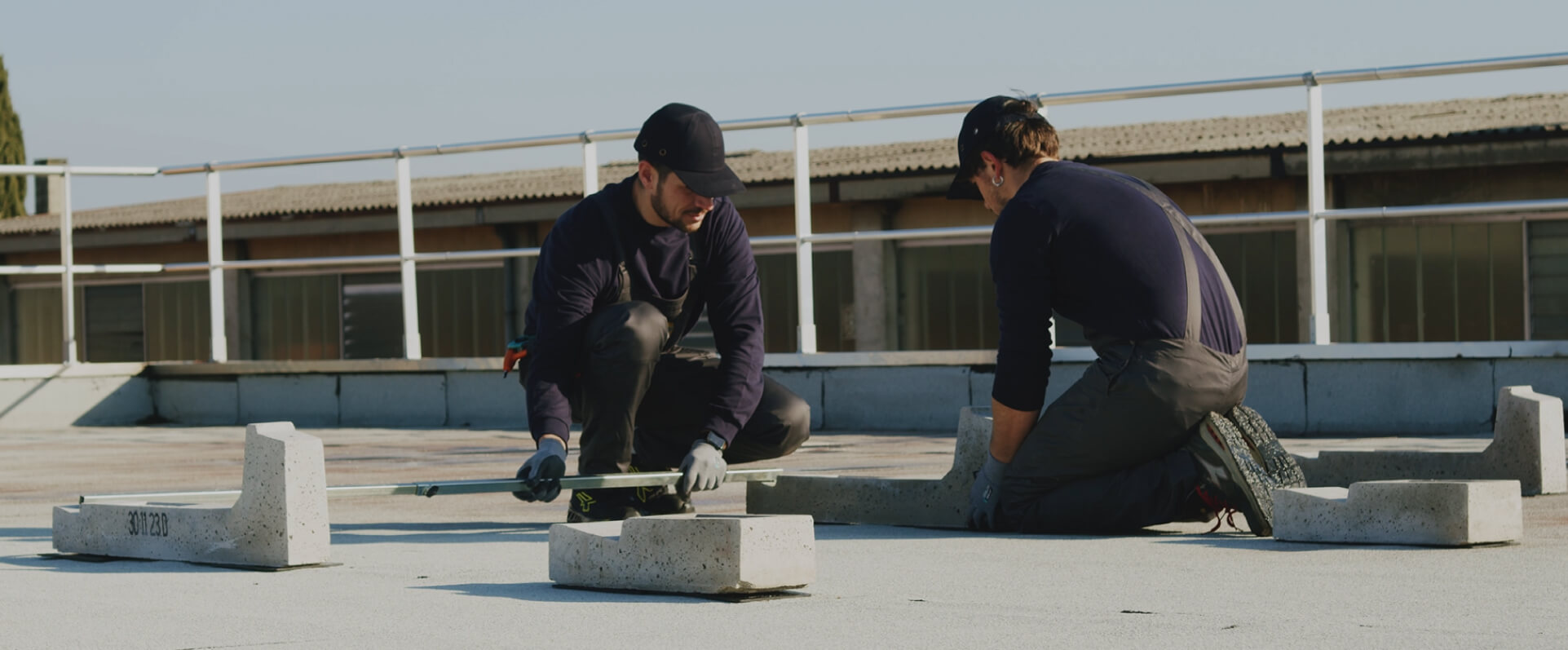
When flat-roof projects require rapid execution, concrete
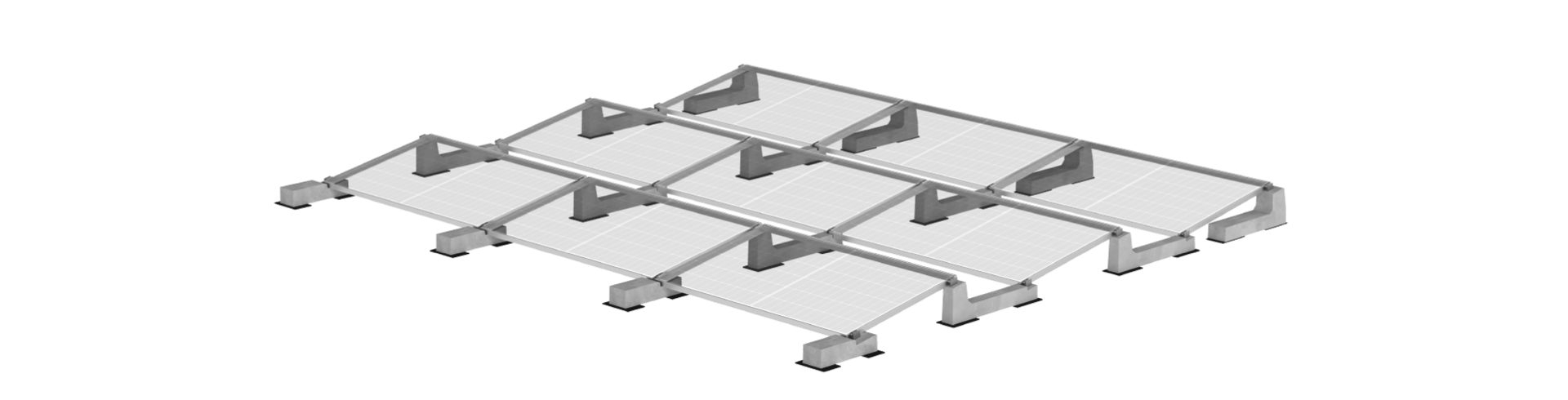
ballast-based solar mounting components offer a clear advantage. Instead of relying on roof
penetrations and multiple fixation points, the structure is stabilized by weight and smart
geometry, helping installers avoid time-consuming sealing steps. This means quicker positioning,
simpler alignment, and less uncertainty during commissioning. Because the system is designed to
be intuitive, crews can standardize procedures across different sites—warehouse roofs, logistics
hubs, and commercial buildings—without reinventing the process each time. Designers benefit as
well: a consolidated approach to PV mounting brackets, supports, and array layout can make
calculations and documentation more straightforward. The result is a cleaner bill of materials,
fewer opportunities for missing items, and easier on-site logistics. In a market where labor
time is a major cost driver, using streamlined solar panel mounting hardware can translate
directly into better margins. And because roof integrity is preserved, it’s easier to satisfy
building owners who are understandably cautious about invasive solutions. For B2B professionals
in Italy, this is the kind of mounting technology that supports growth: dependable, repeatable,
and built for real-world conditions.
Technical Partnership: From Design Support to
Execution
Beyond the components themselves, what professionals in Italy
increasingly value is a complete, engineering-led approach. The most effective solar mounting
components come with the support needed to size and configure the system correctly—considering
wind exposure, load distribution, roof type, and panel arrangement. That guidance reduces risk
for engineers and speeds up decision-making for installers, who can move from proposal to
installation without costly back-and-forth. Commercial teams and distributors also benefit from
clear technical data and a solution that’s easy to explain: no roof drilling, fewer components,
and faster installation on flat roofs. In practice, this kind of partnership helps prevent the
common pain points of flat-roof PV projects—unexpected complications, additional fastening
requirements, or delays caused by design uncertainties. If your priority is to deliver reliable
photovoltaic installations with minimal disruption, choose mounting solutions that combine
proven concrete ballast supports with professional technical assistance. It’s a practical path
to safer projects, smoother site management, and satisfied clients—while keeping your workflow
efficient and scalable in a competitive renewable energy market.