A Faster, Safer Solar Mounting Bracket for
Flat Roof Projects
Choosing the right solar mounting bracket can make or break a
flat-roof photovoltaic project—especially in Italy, where installers and designers balance
speed, safety, and compliance on every job. A modern approach is the non-penetrating, ballasted
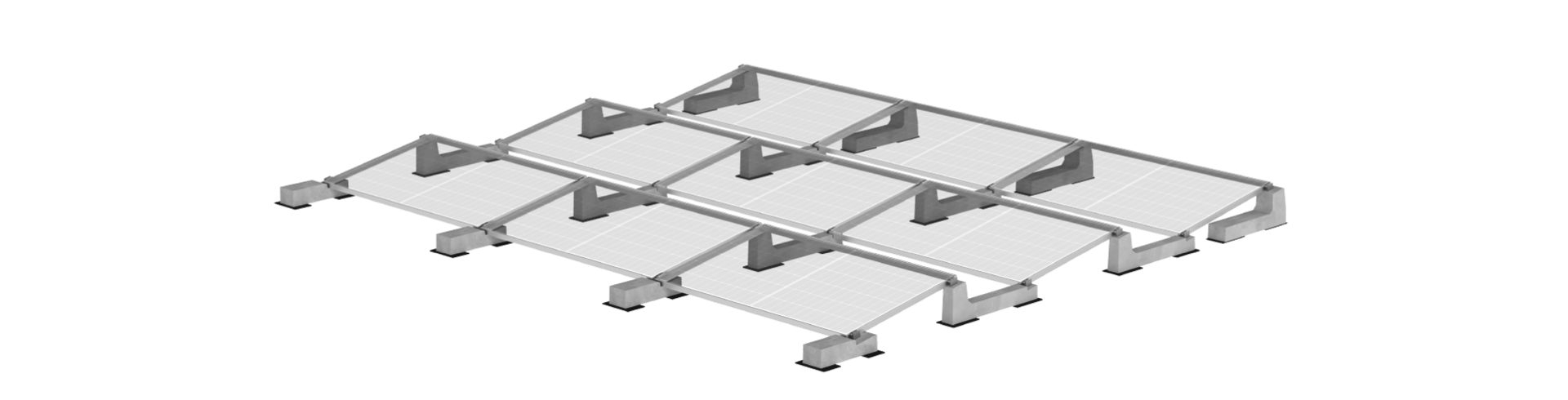
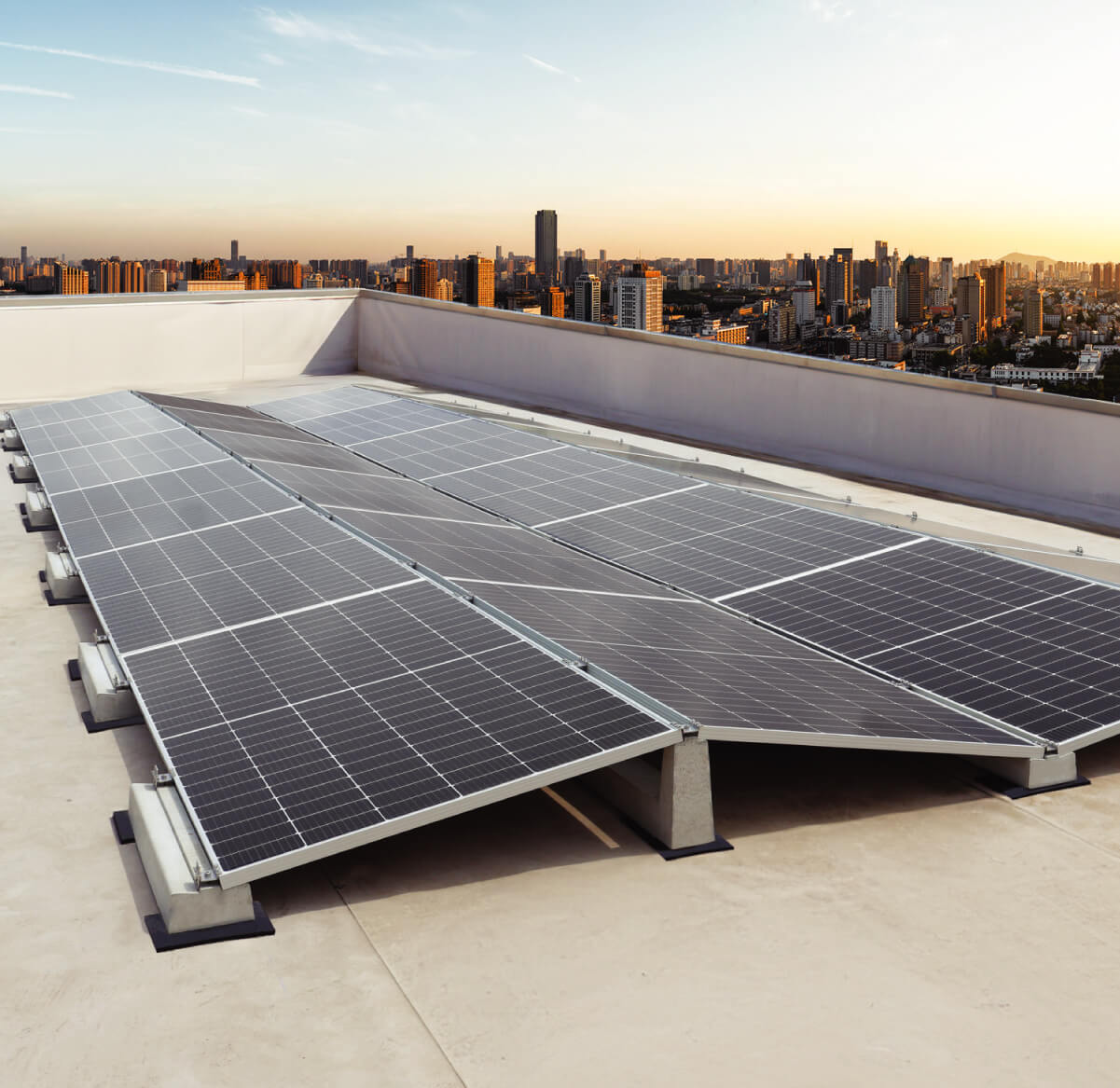
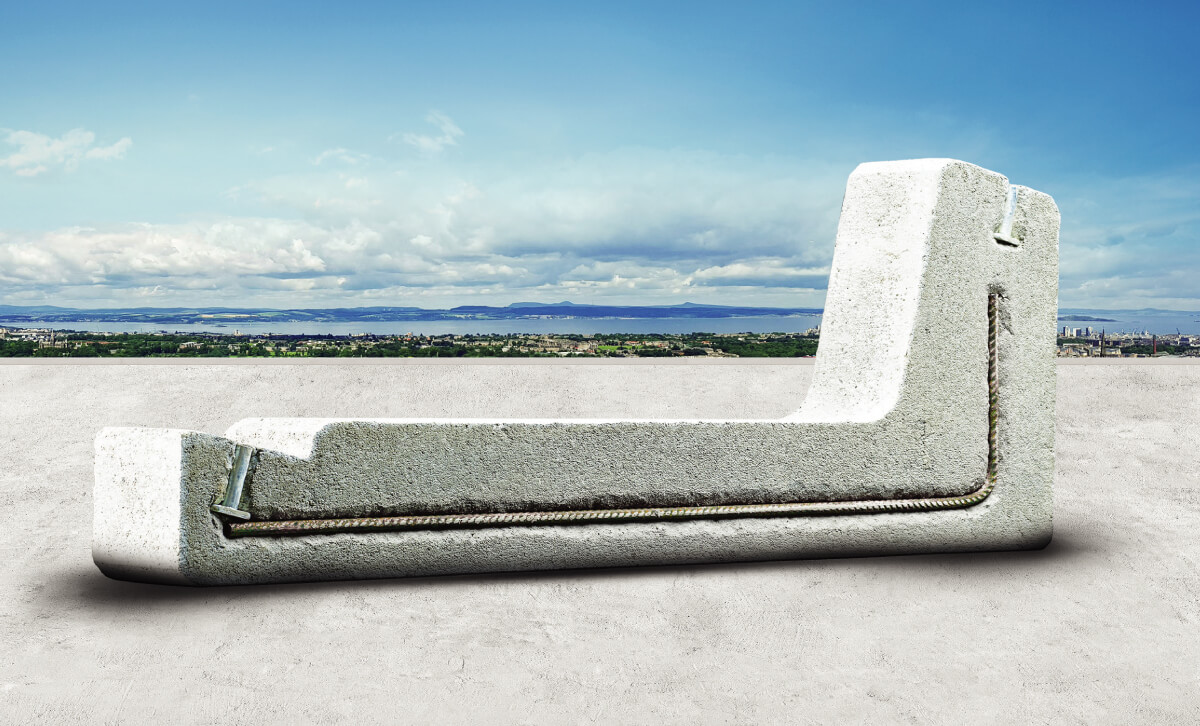
mounting system: instead of drilling into the roof membrane, pre-engineered concrete ballast
supports hold the PV modules in place using weight and optimized geometry. This greatly reduces
the risk of leaks and avoids the delays caused by waterproofing repairs or approvals. For
installers, fewer components and a straightforward layout mean quicker assembly, cleaner
logistics, and predictable results on site. For engineers and technical offices, the value is in
reliable data: wind uplift considerations, load distribution, and tested configurations that
simplify system sizing for different roof conditions. Compared with traditional rail-and-anchor
solutions, a ballasted solar mounting bracket is designed to cut complexity while maintaining
stability and durability. It also helps distributors offer a product that is easy to explain and
consistently requested. If your goal is to deliver efficient flat-roof PV installations with
reduced operational headaches, this kind of mounting solution turns the bracket into a complete
installation method—not just a piece of hardware.
Why Non-Penetrating Ballast Supports Reduce
On-Site Problems
On flat roofs, the biggest headaches often come from penetrations:
each fixing point introduces risk, extra labor, and coordination with roofing layers. A
non-penetrating solar mounting bracket built around concrete ballast supports addresses this
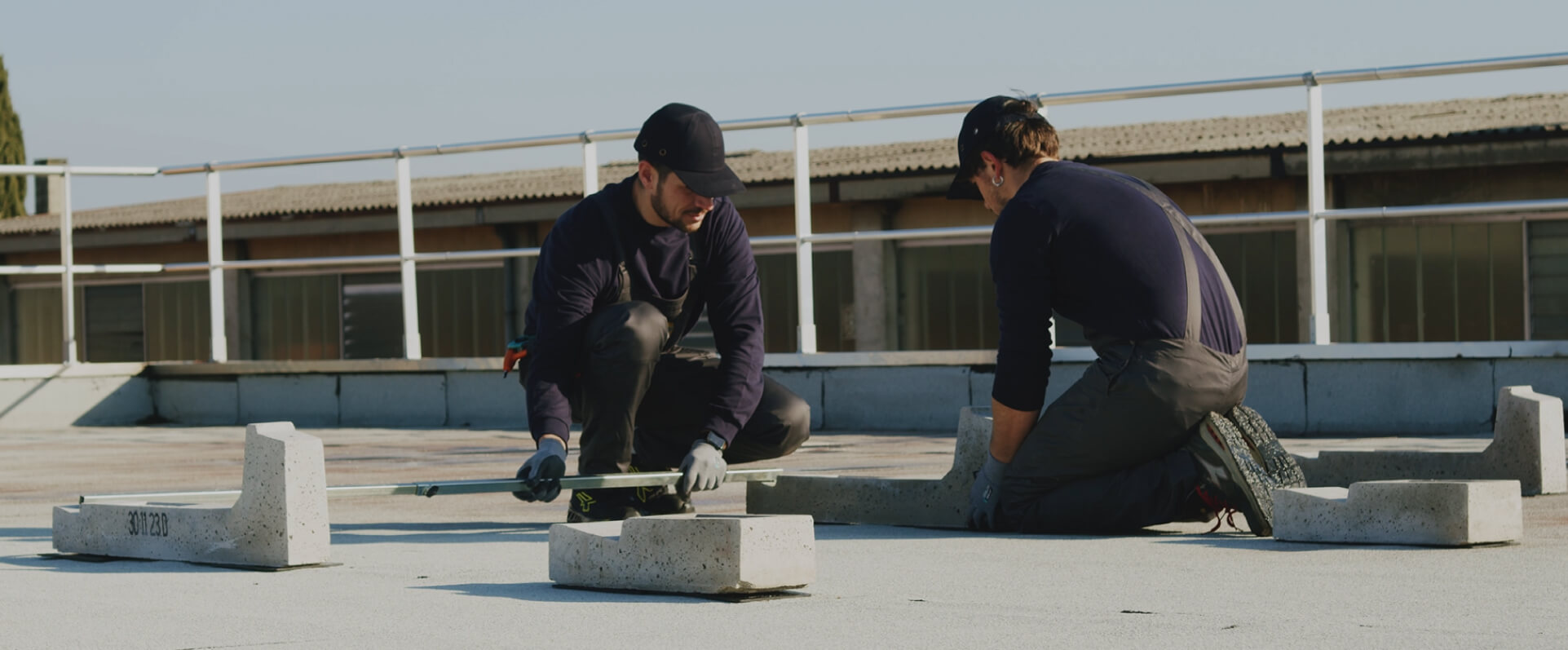
directly. The installation workflow becomes simpler: position the supports, align the tilt and
orientation, place the panels, and connect—without drilling. That means fewer tools, fewer
variables, and less chance of unexpected roof conditions slowing the crew down. Because the
system is designed for fast handling and intuitive assembly, installers can complete more kW per
day and keep schedules tight. From a technical perspective, the bracket is part of a tested
structure where loads are managed across the roof surface, helping reduce localized stress. This
is particularly useful for projects where time on the roof must be minimized or where the client
wants to protect existing waterproofing. Add in project assistance—support during design,
sizing, and execution—and the overall risk drops: fewer surprises, clearer documentation, and a
smoother path from proposal to commissioning.
What Professionals in Italy Should Look for in
a Solar Mounting Bracket
When specifying a solar mounting bracket for Italian flat roofs,
prioritize three things: reliability, simplicity, and innovation. Reliability means durable
materials and solutions proven in real installations, with configurations that hold up over
time. Simplicity means reduced part count, quick positioning, and a system that crews can learn
fast—critical when you’re managing multiple sites or tight deadlines. Innovation shows up in
modular options for different tilts, layouts, and roof constraints, helping you optimize energy
yield while staying practical. Also consider the service around the product: technical support
during design, accurate dimensioning for wind and loads, and commercial assistance that helps
you deliver a confident offer to your customer. For distributors, a recognizable, high-demand
flat-roof solution that’s easy to communicate is a major advantage. In short, the best solar
mounting bracket is the one that protects the roof, speeds up installation, and gives designers
dependable inputs—so every stakeholder wins, from planning to final handover.