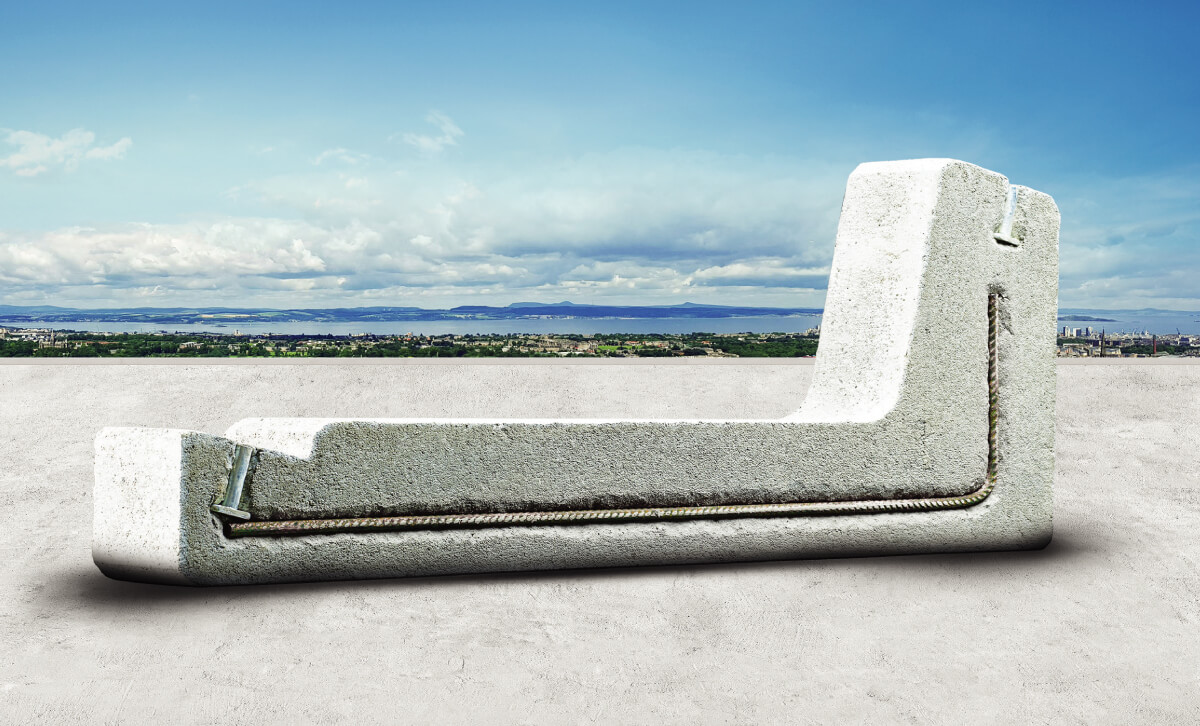
Why a Solar Mount Flat Roof System Matters in
Italy
Choosing the right solar mount flat roof solution is one of the
fastest ways to reduce installation time and avoid expensive headaches on site—especially across
Italy, where flat-roof PV is common on warehouses, commercial buildings, and industrial
facilities. The biggest concern is usually the roof itself: penetrations can mean waterproofing
risks, delays, and added liability. That’s why ballast-based mounting systems are becoming the
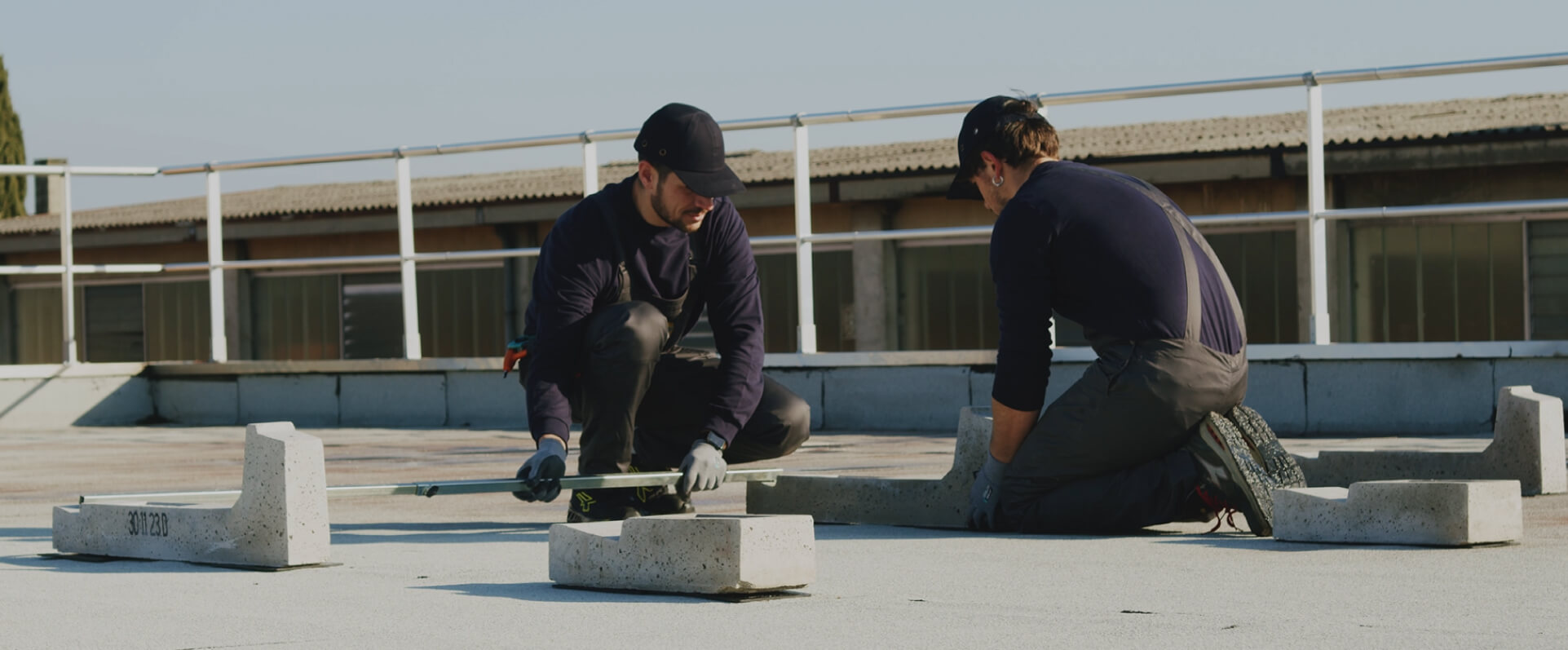
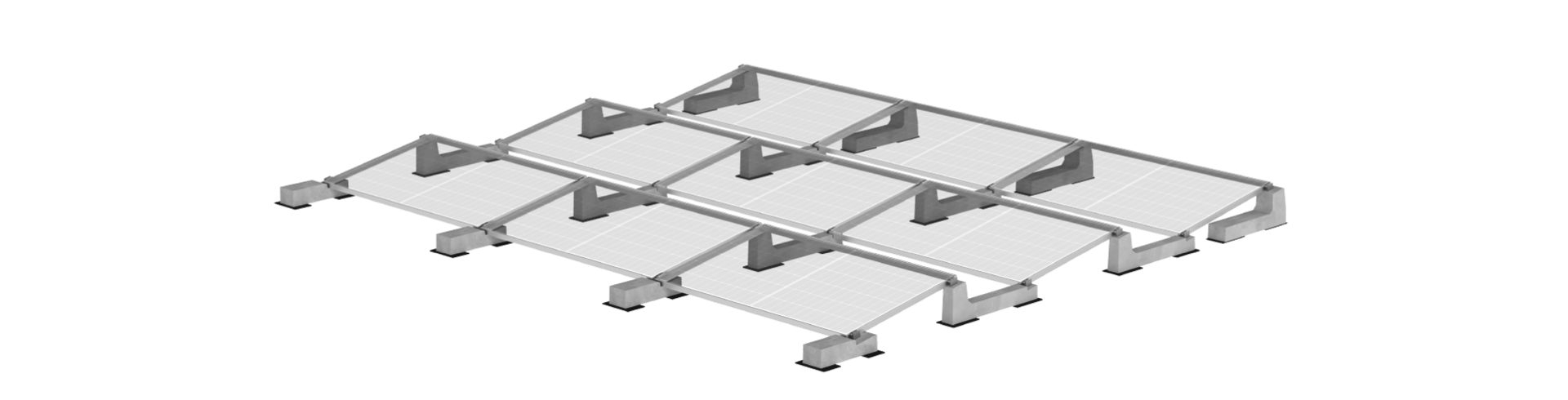
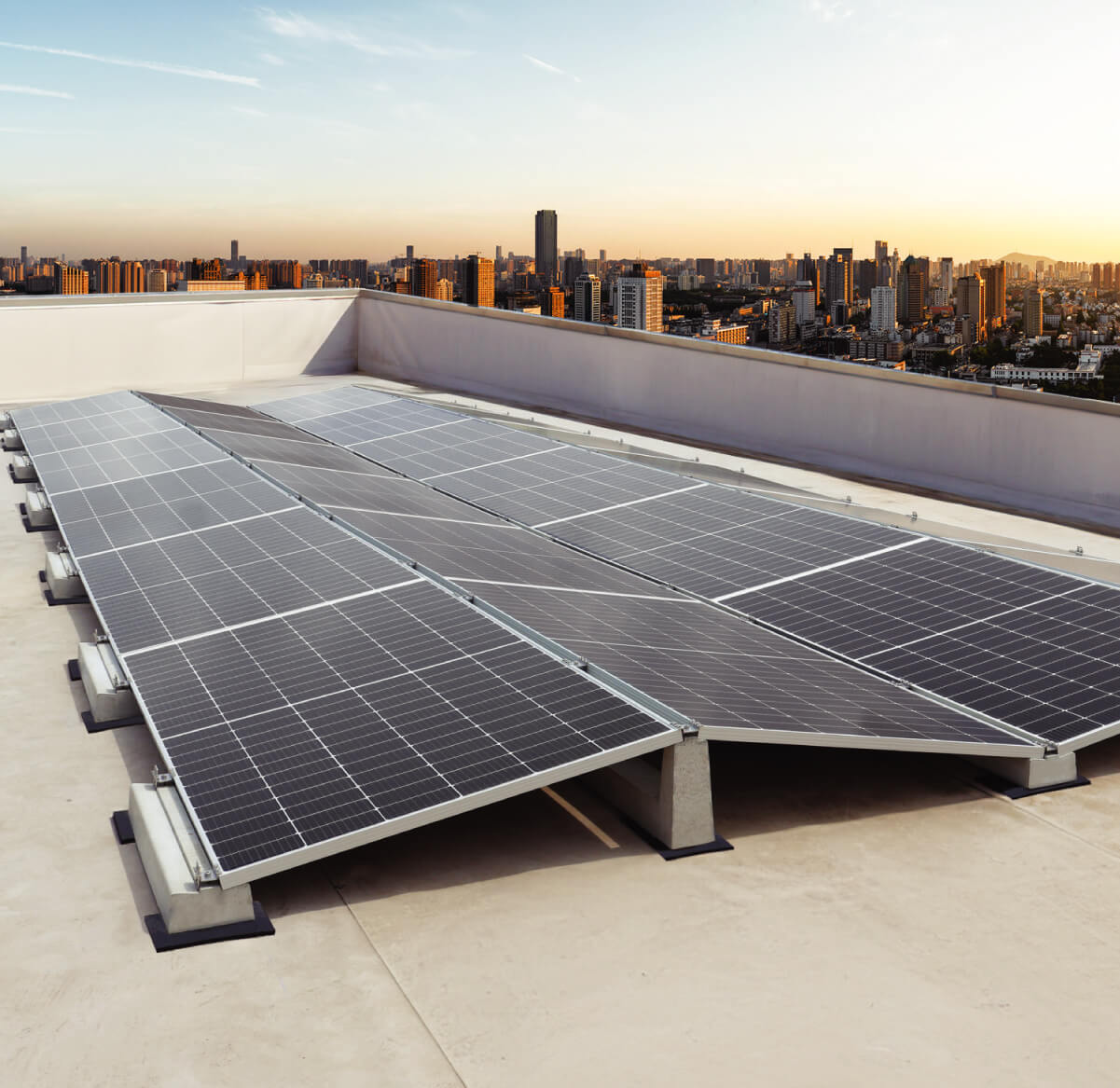
preferred option for many professionals. By using pre-engineered concrete supports, modules can
be installed without drilling the membrane, helping protect the roof and simplify the workflow.
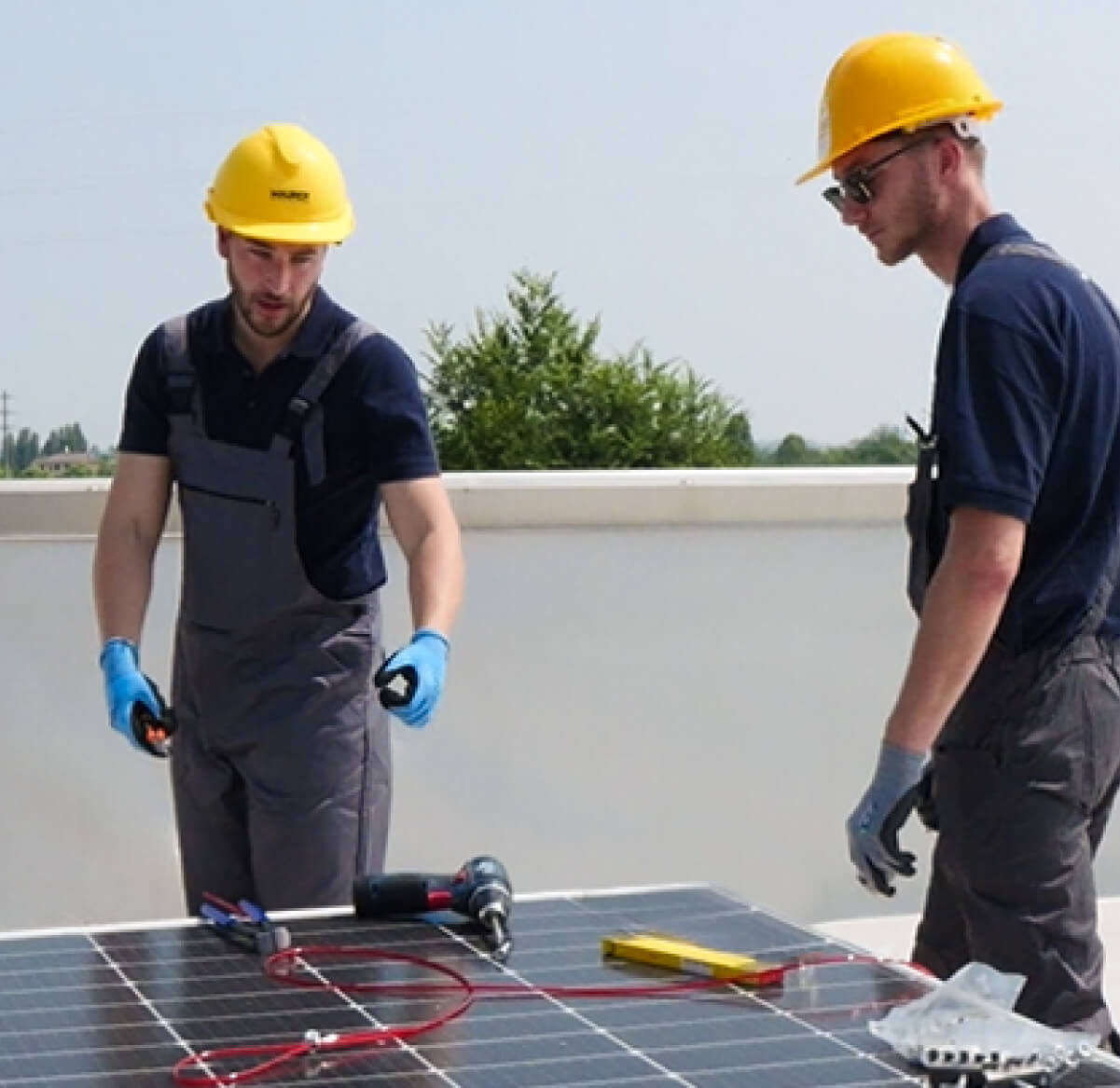
For installers, fewer components and an intuitive layout translate into quicker assembly,
cleaner logistics, and more predictable project timelines. For designers and engineers, it’s
about having reliable data for wind loads, roof loads, and structural checks—without reinventing
the wheel every time. A well-designed flat roof mounting system also improves safety and order
on the roof: clear module positioning, stable supports, and consistent cable routing make
commissioning smoother. If your goal is to deliver a PV plant that is fast to build, easy to
maintain, and designed around real-world constraints, a dedicated solar mount flat roof approach
is not just a detail—it’s a strategic choice that impacts performance, cost, and long-term
reliability.
No-Penetration Concrete Ballast: Faster
Installation, Fewer Risks
A no-penetration solar mount flat roof setup built around concrete
ballast changes how teams work on site. Instead of cutting, drilling, and sealing the roof, the
system relies on weight, geometry, and tested configurations to keep the array stable. The
practical advantages are immediate: fewer installation steps, less specialized waterproofing
work, and a lower chance of call-backs caused by leaks. For PV installers, the value is speed
and simplicity—pre-formed supports reduce the number of loose parts, minimize alignment issues,
and keep the job moving even when schedules are tight. For technical offices, the benefit is
confidence: certified solutions and validated performance help reduce design uncertainty,
especially when addressing wind exposure, uplift, and roof load distribution. These ballast
supports are also compatible with many common module formats and can be configured for different
tilt angles, allowing you to balance energy yield with roof constraints such as parapets, shaded
areas, and maintenance pathways. In short, if you want a flat roof solar mounting system that
supports efficient installation while protecting the roof covering, concrete ballast is a proven
route that fits the needs of Italy’s B2B solar market.
A Technical Partner Approach for Installers,
Designers, and Distributors
On flat-roof PV projects, the best results come when the solar
mount flat roof system is backed by real technical support—not just a product list.
Professionals often need help moving from concept to execution: preliminary layout, system
sizing, and practical guidance to keep the project buildable. This partner-style approach is
especially valuable when decisions must be made quickly: choosing tilt, managing rows and
spacing, estimating loads, and preparing documentation that stands up to scrutiny. Installers
benefit from clear, job-ready solutions that reduce site complexity and keep teams productive.
Engineers and designers gain access to dependable inputs for calculations and risk reduction,
while distributors appreciate a recognizable, easy-to-explain solution with consistent demand.
Ultimately, the aim is straightforward: make flat-roof photovoltaic installation easier, safer,
and more efficient—saving time on site and cutting operational complexity. If you work in
Italy’s solar sector and want a streamlined path to reliable rooftop PV, a well-supported
ballast-based solar mount flat roof solution can be the difference between a stressful build and
a smooth delivery.