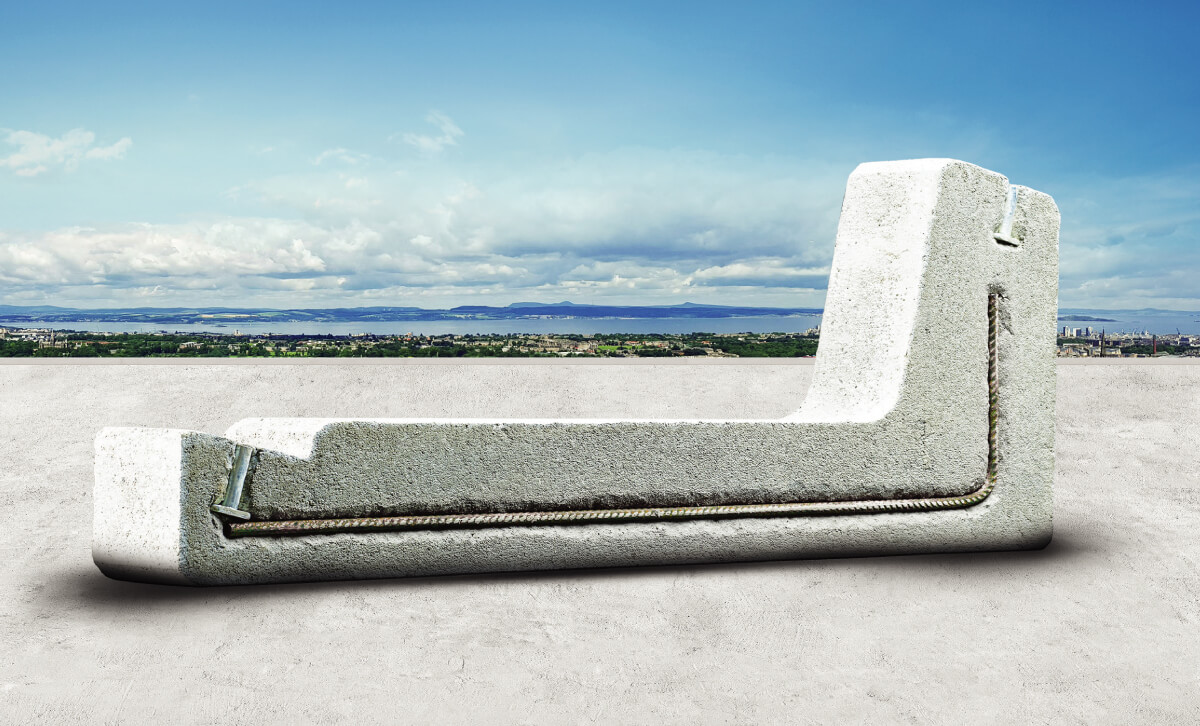
A smarter solar module structure for flat
roofs in Italy
When you design or install PV on a flat roof, the solar module
structure is what makes the difference between a smooth job and days of unexpected fixes. In the
Italian market, speed on site, predictable performance, and roof safety matter more than
ever—especially when you’re working on commercial buildings and tight schedules. A concrete
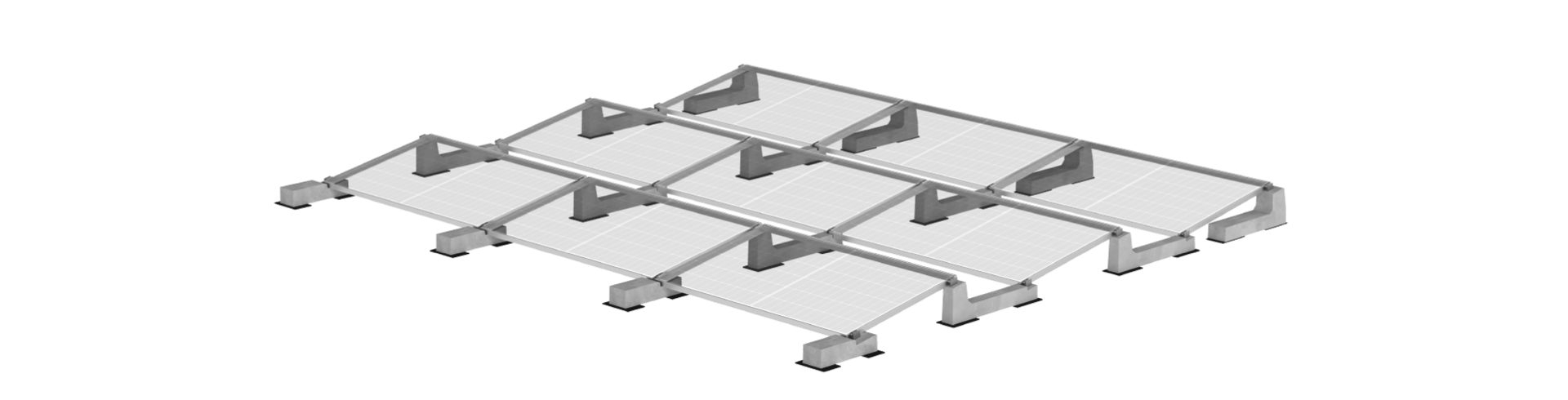
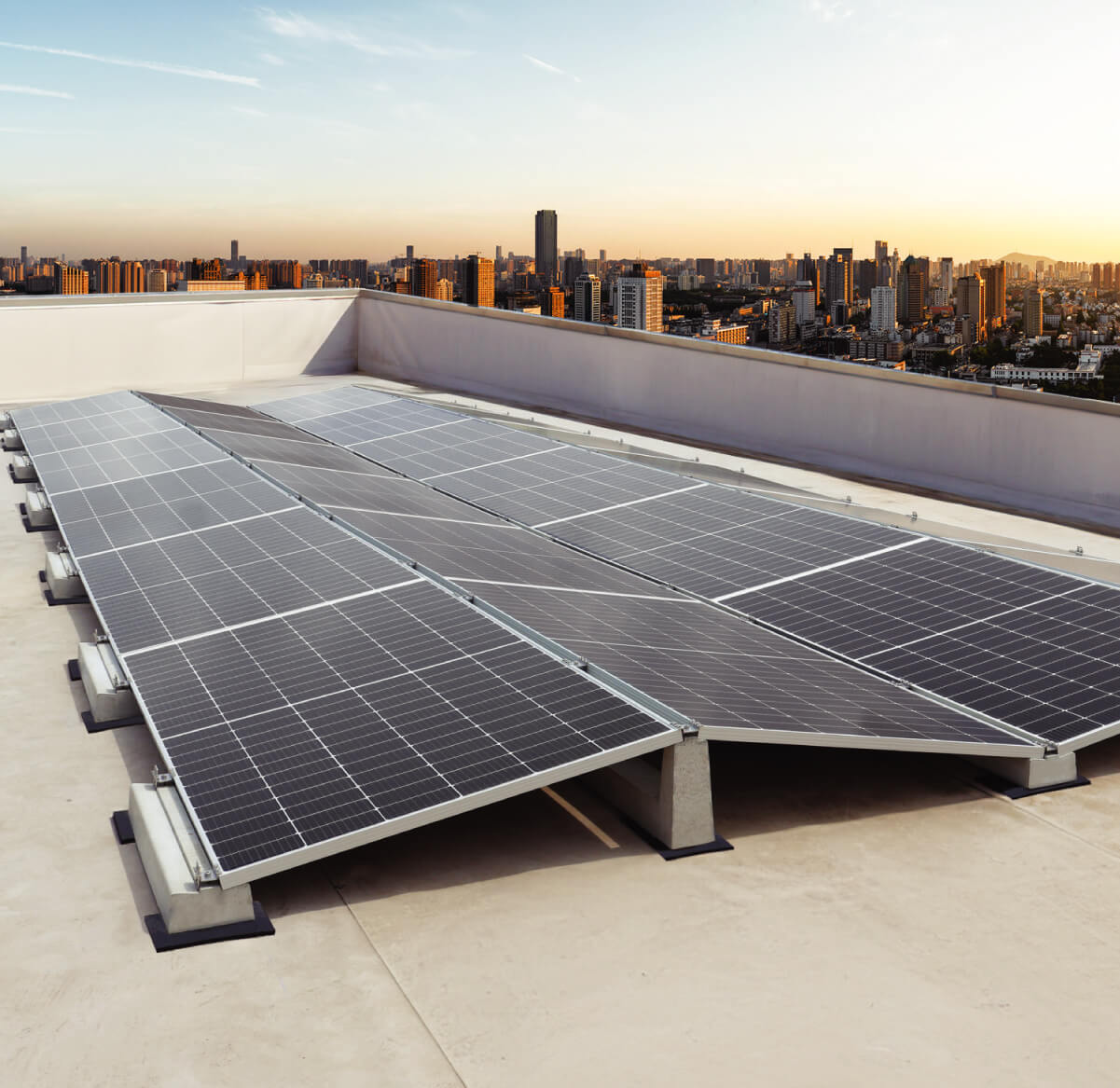
ballast mounting approach helps you secure photovoltaic panels without drilling the waterproof
layer, reducing the most common risks tied to penetrations, leaks, and costly remedial work. For
installers, that means fewer components to manage, cleaner logistics, and faster assembly with
intuitive positioning. For designers and engineers, it means a solution that supports reliable
system sizing with clear data for loads, wind uplift, and rooftop constraints. A well-planned
solar mounting system also improves alignment, row spacing, and cable management, helping
deliver a professional finish that clients notice. Distributors benefit too: an easy-to-explain
flat roof racking solution with stable demand and consistent performance is simpler to stock and
recommend. If your goal is to simplify rooftop PV installations while keeping safety and
durability high, a ballast-based solar module structure is a practical route: it protects the
roof, reduces installation time, and supports efficient execution from initial layout to final
commissioning. It’s a partner-style solution that fits the real needs of B2B professionals
across Italy, from preliminary checks to the last module tightened.
Built to reduce complexity and accelerate
installation
A streamlined solar module structure should do one thing
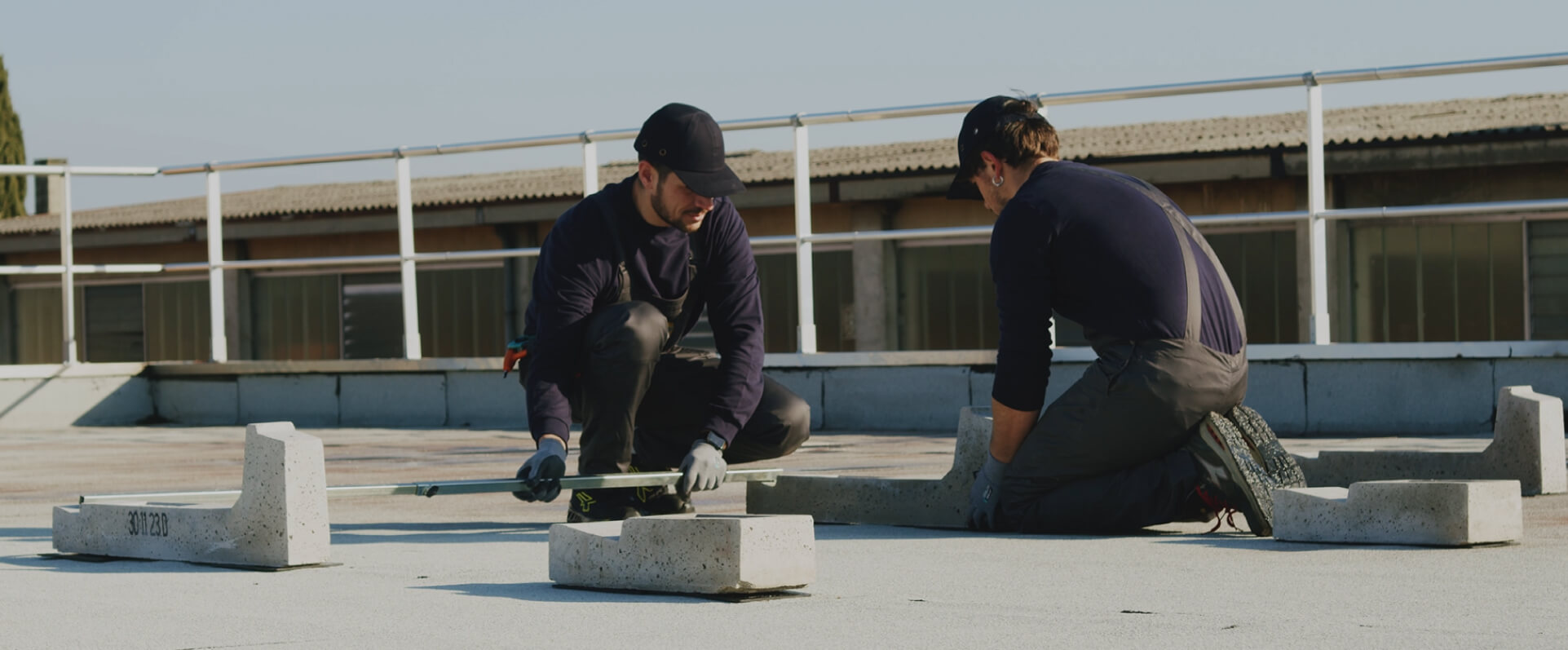
exceptionally well: eliminate unnecessary steps on the roof. With concrete ballast supports, the
installation flow becomes more direct—place, align, secure, and move on—without the delays
caused by drilling, sealing, or waiting for chemical anchors. Fewer parts also means fewer
mistakes, less time searching for hardware, and less fatigue on large flat-roof arrays. This
approach is especially valuable when weather windows are short or access is limited. For project
teams, the benefit is measurable: quicker installation times, fewer call-backs, and more
predictable scheduling across multiple jobs. From a technical perspective, ballast PV mounting
helps manage rooftop loads and wind actions with solutions developed specifically for flat
surfaces, improving confidence during design and approvals. The result is a PV racking system
that feels practical in the hands of installers and defensible on paper for engineers—two
requirements that rarely align so neatly.
Technical support that helps you design and
deliver with confidence
Choosing the right solar module structure is not only about
hardware; it’s also about getting the calculations and layout right the first time. For
engineers and technical offices, having support during design can reduce responsibility pressure
and speed up decision-making on wind zones, exposure, module orientation, and ballast
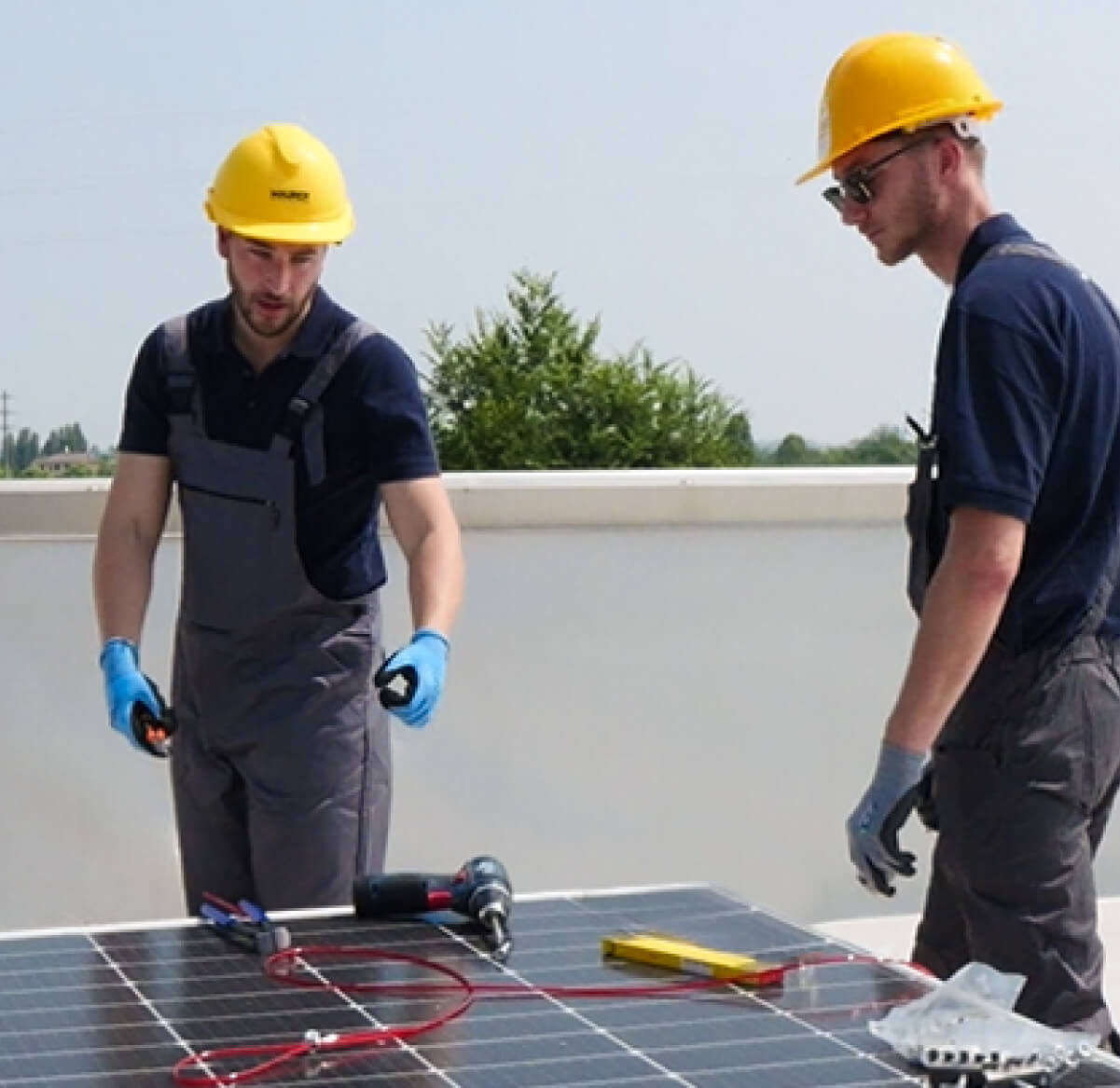
distribution. For installers, responsive guidance helps solve real on-site questions quickly—so
the crew keeps moving instead of waiting. And for distributors, it’s easier to recommend a
solution when there’s a clear technical backbone behind it. If you’re working on flat roofs in
Italy and want a photovoltaic mounting solution that combines no-penetration installation,
durable concrete ballast, and a straightforward project workflow, focus on a solar module
structure built around reliability, simplicity, and continuous innovation—so every project is
easier to plan, faster to install, and safer for the roof.