Flat-Roof Solar, Made Simpler for Installers
Installing a solar module photovoltaic panel on a flat roof in
Italy often comes down to one critical question: how do you secure the array without turning the
waterproofing layer into a risk? Traditional anchored structures can mean drilling, seals, extra
labour, and more uncertainty on site. With a non-penetrating approach, the system stays stable
through engineered weight distribution rather than roof fixings—so you can protect the membrane
and keep the workflow clean.
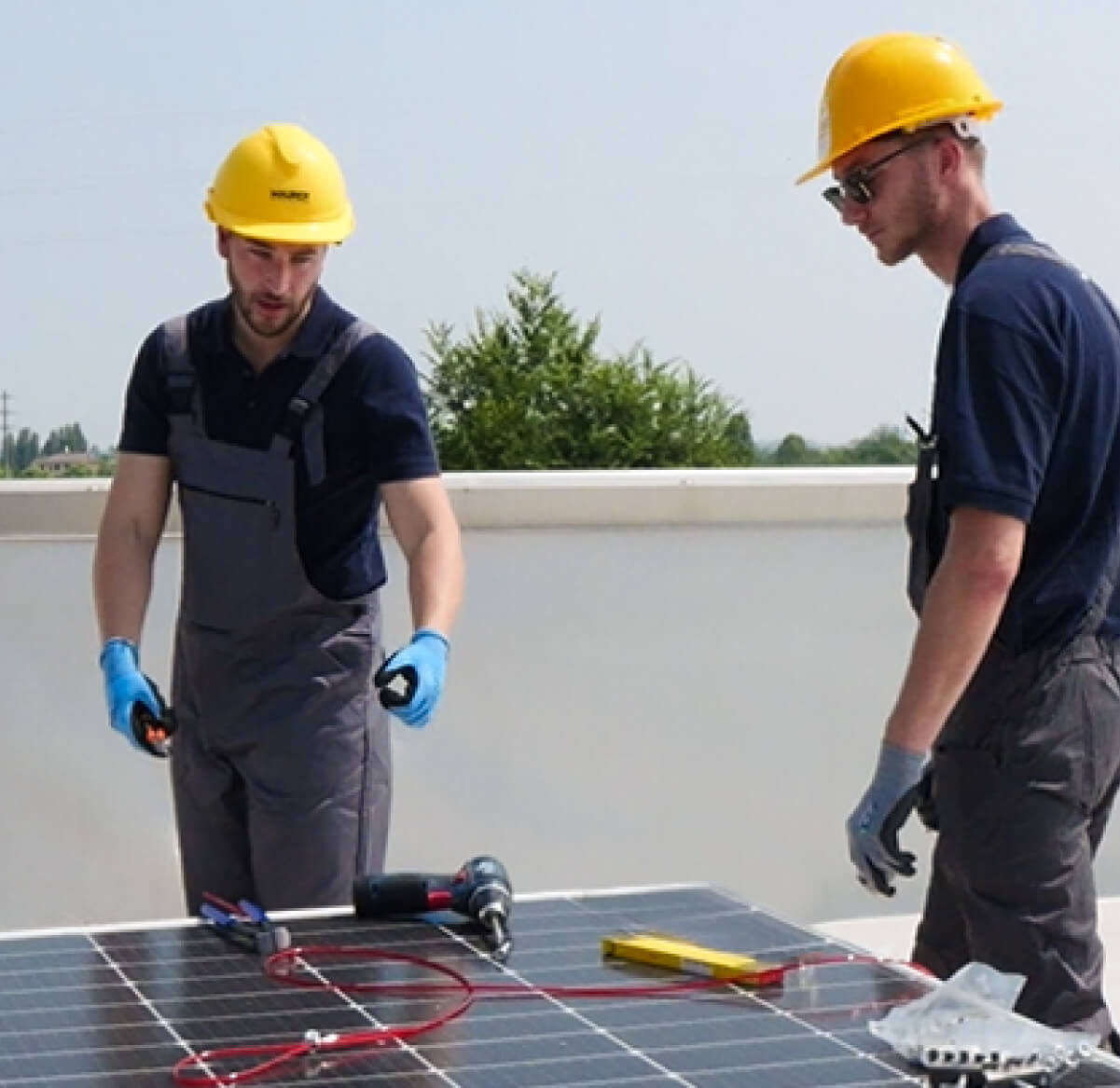
For PV installers, speed is everything. Fewer parts, intuitive assembly, and repeatable layouts
help you close jobs faster and reduce on-roof surprises. For designers and engineers, the
priorities shift to wind loads, structural loads, and verified data for proper system sizing. A
concrete ballast mounting solution answers both needs: quick installation for the crew, and a
predictable, tested support concept for the calculations.
This is especially valuable on industrial buildings, warehouses, and commercial rooftops where
downtime and roof interventions are costly. When the support structure is designed specifically
for flat roofs, you get better alignment, easier cable management, and more consistent tilt
options—supporting energy yield while keeping the project straightforward.
If your next project includes multiple rows of solar module photovoltaic panel strings, choosing
a simplified, roof-friendly mounting method can be the difference between a smooth handover and
a site that drags on. The goal is simple: safer roofs, faster installs, and a PV system you can
stand behind.
Why Ballasted Mounting Reduces Risk and Time
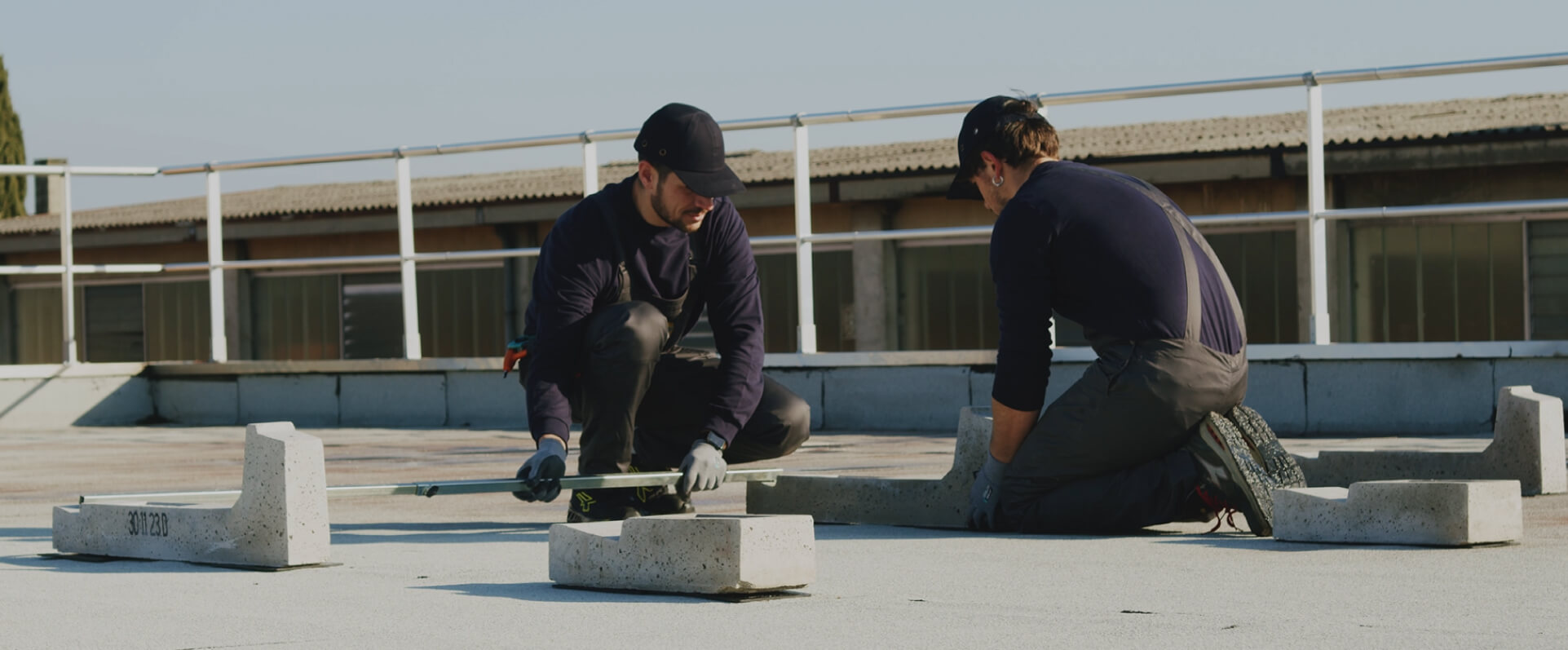
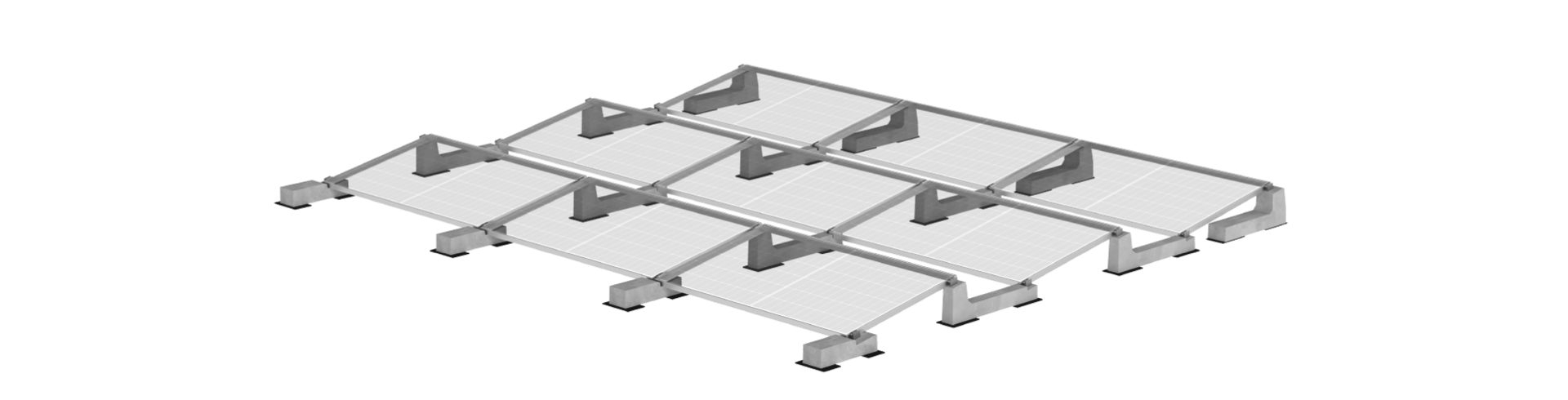
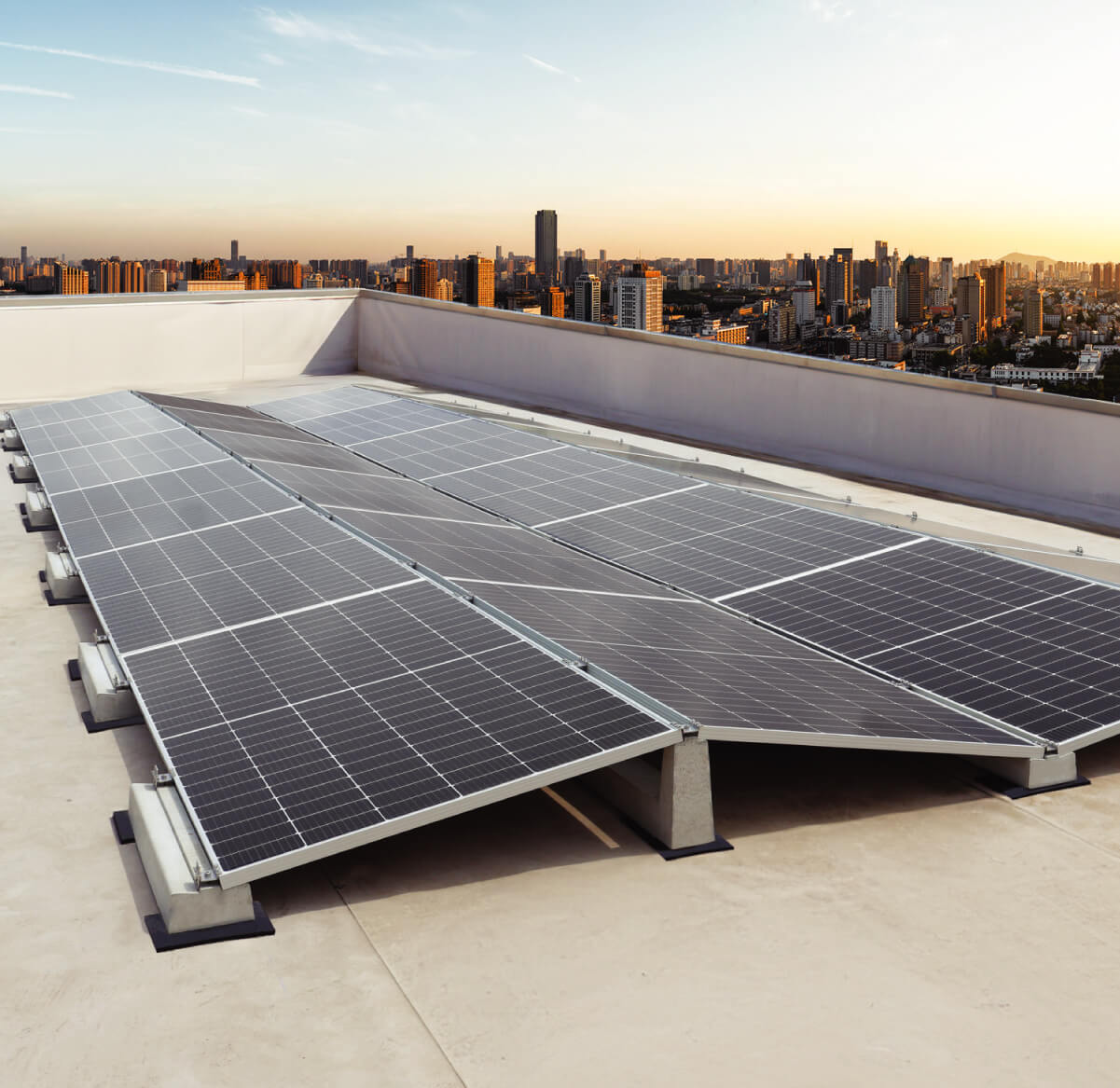
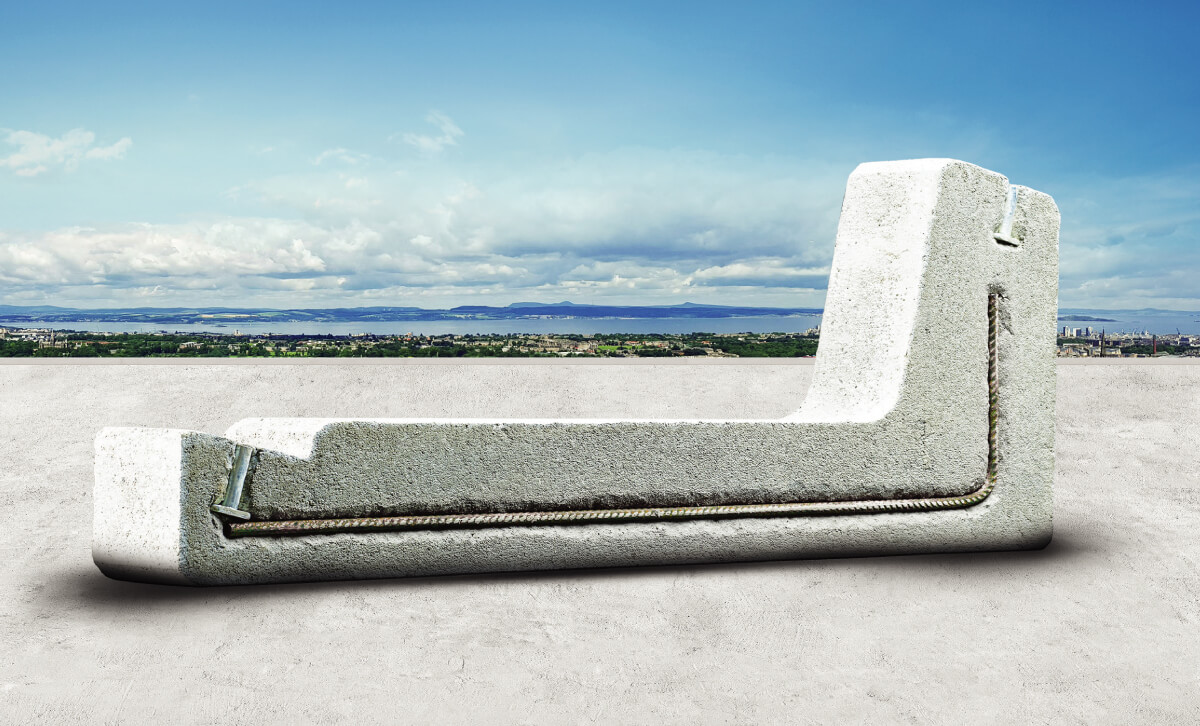
A ballasted system built around precast concrete elements is
designed to keep the photovoltaic array stable without roof penetrations. That means no drilling
through membranes, fewer accessories to manage, and less time spent on sealing or rework. In
practical terms, installers can move from layout to placement to module fixing with a more
linear process—ideal when you need to keep labour costs under control.
From a technical perspective, the right ballast solution supports reliable design choices. Wind
action, roof load limits, and array configuration all need to be considered, and having a system
with clear technical documentation makes the work of engineering teams and technical offices
easier. This helps reduce responsibility-related stress, because decisions are based on tested
configurations rather than improvised assemblies.
For distributors and wholesalers, the advantage is also clear: a recognisable, easy-to-explain
solution that meets a stable market demand across Italy’s flat-roof segment. A solar module
photovoltaic panel installation becomes easier to quote, easier to stock, and easier to support
with consistent components.
Ultimately, non-penetrating PV mounting isn’t just about convenience; it’s about preventing
avoidable roof issues and keeping projects predictable from design to commissioning.
A Technical Partner Approach for B2B PV
Projects
B2B photovoltaic projects work best when the mounting choice comes
with more than hardware. Installers and designers benefit from a partner-style approach that
includes pre-sales support, array sizing assistance, and guidance through the project’s
execution phase. When you can validate tilt, spacing, and load distribution early, you cut
change orders and protect your margins.
On flat roofs, every detail matters: drainage paths, parapets, shaded areas, service walkways,
and maintenance access. A dedicated flat-roof system helps you keep these constraints under
control while still delivering a solid solar module photovoltaic panel field layout. That
translates into a cleaner installation, a more professional final look, and a smoother
inspection process.
Reliability is the baseline: durable materials, proven performance, and solutions designed for
long service life. Simplicity is what installers feel on the roof: fewer components and faster
assembly. Innovation shows up in continuous improvements that make real-world installation
easier.
If you want to accelerate your next flat-roof PV job in Italy, prioritise a mounting solution
that keeps the roof intact, speeds up assembly, and provides the technical backing needed to
design confidently around every solar module photovoltaic panel you install.