A smarter solar module mounting structure for
flat roofs in Italy
In Italy, flat-roof PV projects often come with a familiar
challenge: how to secure modules quickly without compromising the roof. A well-designed solar
module mounting structure makes the difference between a smooth installation and a job full of
delays, extra parts, and waterproofing concerns. For installers, the priority is speed and
reliability on site; for designers and engineers, it’s confidence in wind loads, ballast sizing,
and compliance. That’s why non-penetrating, ballasted mounting solutions are increasingly
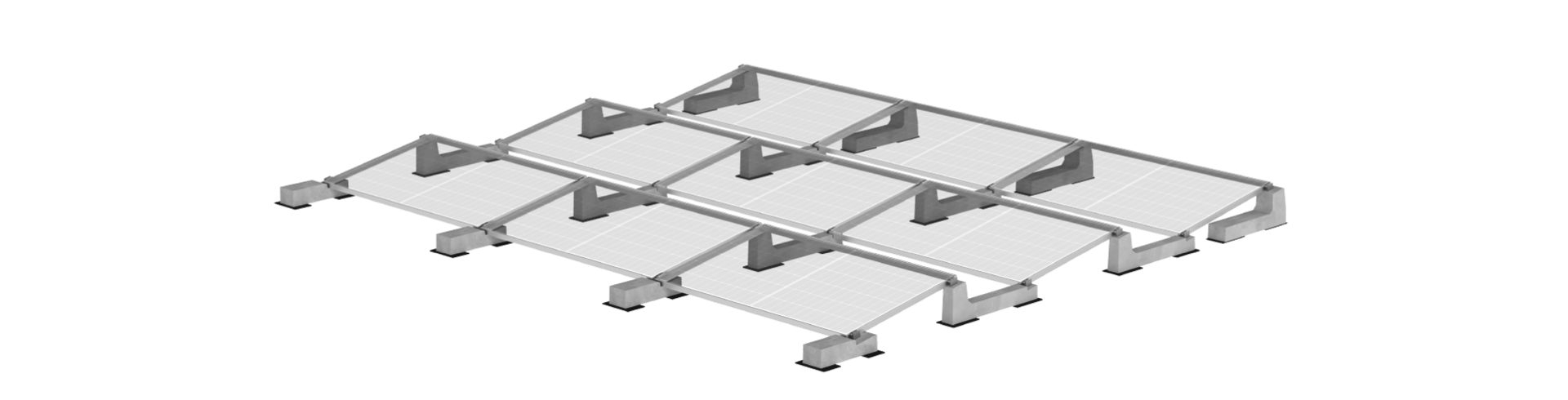
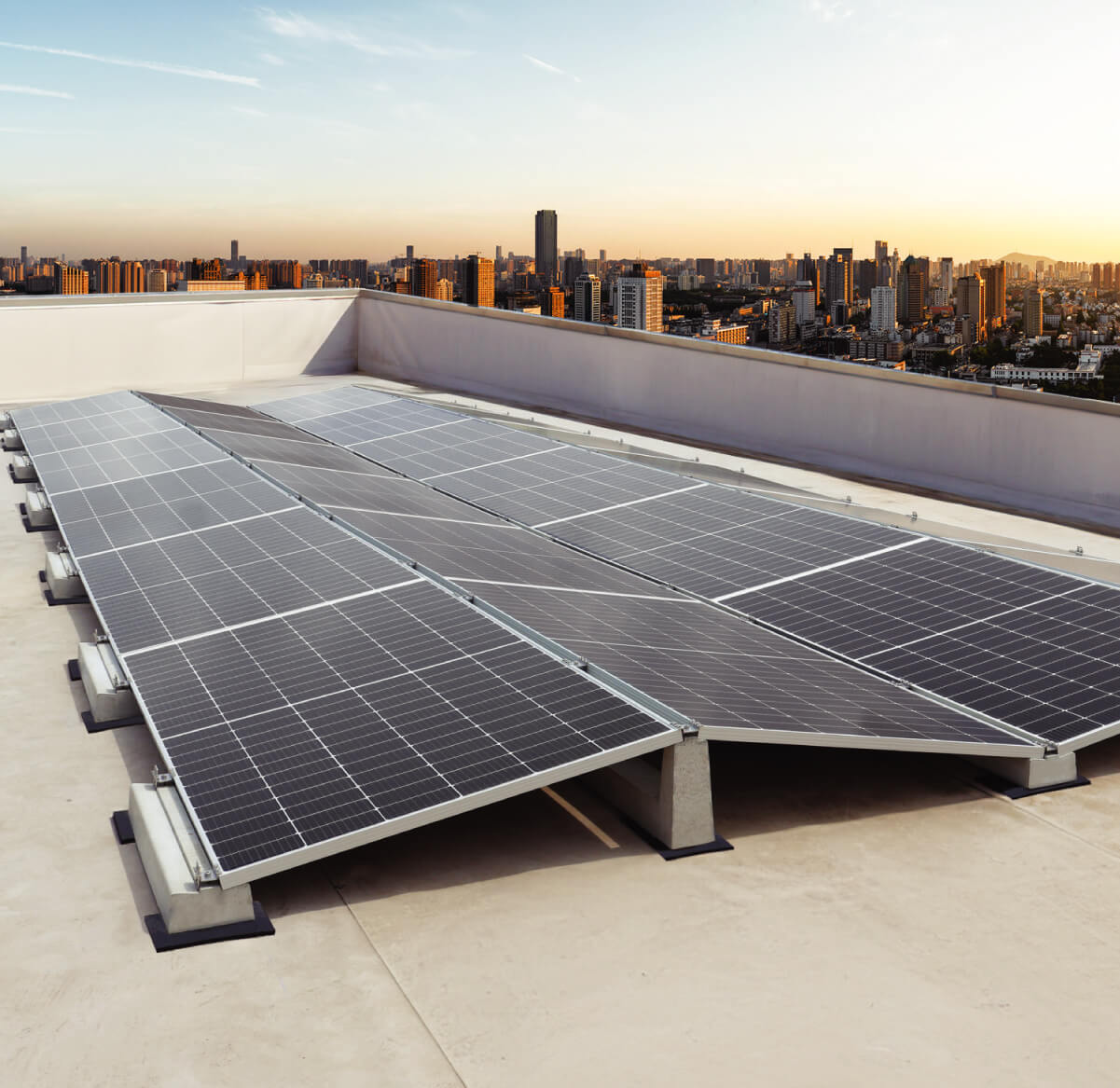
preferred for commercial roofs, warehouses, and industrial buildings. By using precast concrete
ballast blocks, the PV array can be fixed in place without drilling the membrane, reducing the
risk of leaks and cutting installation steps. Fewer components mean fewer mistakes, faster
handling, and cleaner logistics on the roof. And because these systems are built for flat roof
solar mounting, they can support common module layouts, tilt angles, and row spacing needs while
keeping maintenance access practical. If your goal is to deliver repeatable quality across
multiple rooftops, choosing a solar module mounting structure designed specifically for flat
roofs is one of the most effective ways to save time, reduce site complexity, and protect the
building envelope.
Built for installers: faster installation,
fewer headaches
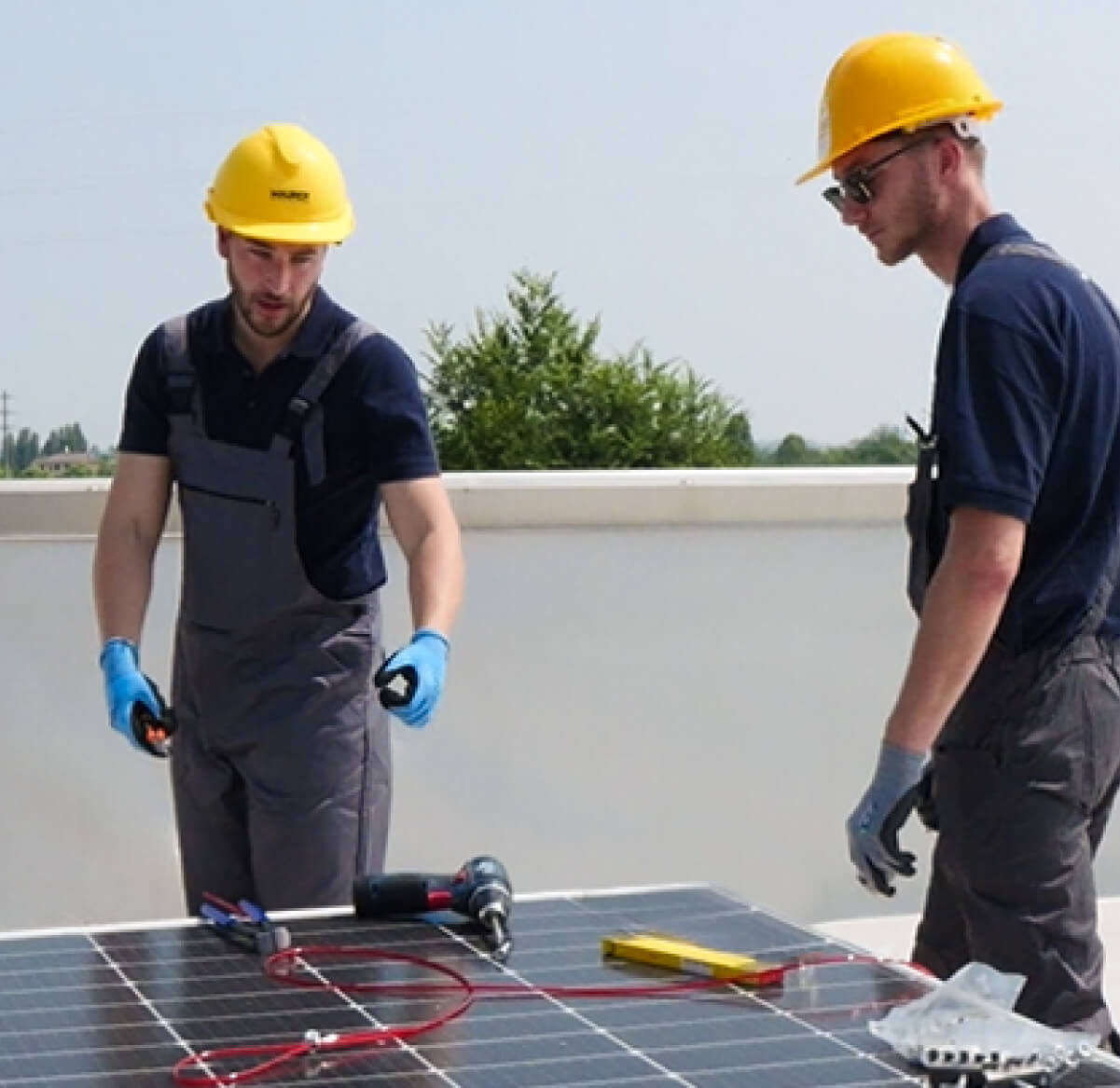
Installers know that traditional racking can turn into hours of
measuring, drilling, sealing, and re-checking. A ballasted solar module mounting structure
simplifies the workflow: position the supports, place the modules, connect, and move on. With no
roof penetrations, you avoid the most sensitive step on many projects—protecting waterproof
layers. The result is a cleaner site, fewer subcontractor dependencies, and a faster path to
commissioning. For flat roofs, where wind uplift and array stability matter, a concrete ballast
approach adds inherent weight and stability while keeping the system intuitive to assemble. This
is especially valuable when you’re working under tight timelines or coordinating multiple crews.
Practical advantages also extend to stock management: fewer small parts and standardized
supports help you reduce missing components and installation variability. If you’re looking for
a solar module mounting structure that helps you install more systems per week with predictable
results, a dedicated flat-roof, non-penetrating solution is designed to match exactly how field
teams work in real Italian job sites.
Technical support and proven design data for
engineers and distributors
For engineers and technical offices, the mounting system is not
just hardware—it’s responsibility. A reliable solar module mounting structure should come with
tested performance, clear documentation, and support for design decisions such as wind exposure,
roof load limits, and ballast calculations. When the system has a proven track record and
standardized configurations, you reduce uncertainty and speed up approvals. That technical
clarity also helps distributors and wholesalers: a recognizable solution that is easy to
explain, specify, and deliver creates repeat demand in the market. Beyond the product itself,
the right partner approach matters—support during design, help with system sizing, and
assistance through execution can lower risk for everyone involved. For flat-roof PV in Italy,
where each building has its own constraints, choosing a solar module mounting structure backed
by technical expertise enables safer projects and smoother installations from the first layout
to the final module.