A smarter solar flat roof system for Italian
flat roofs
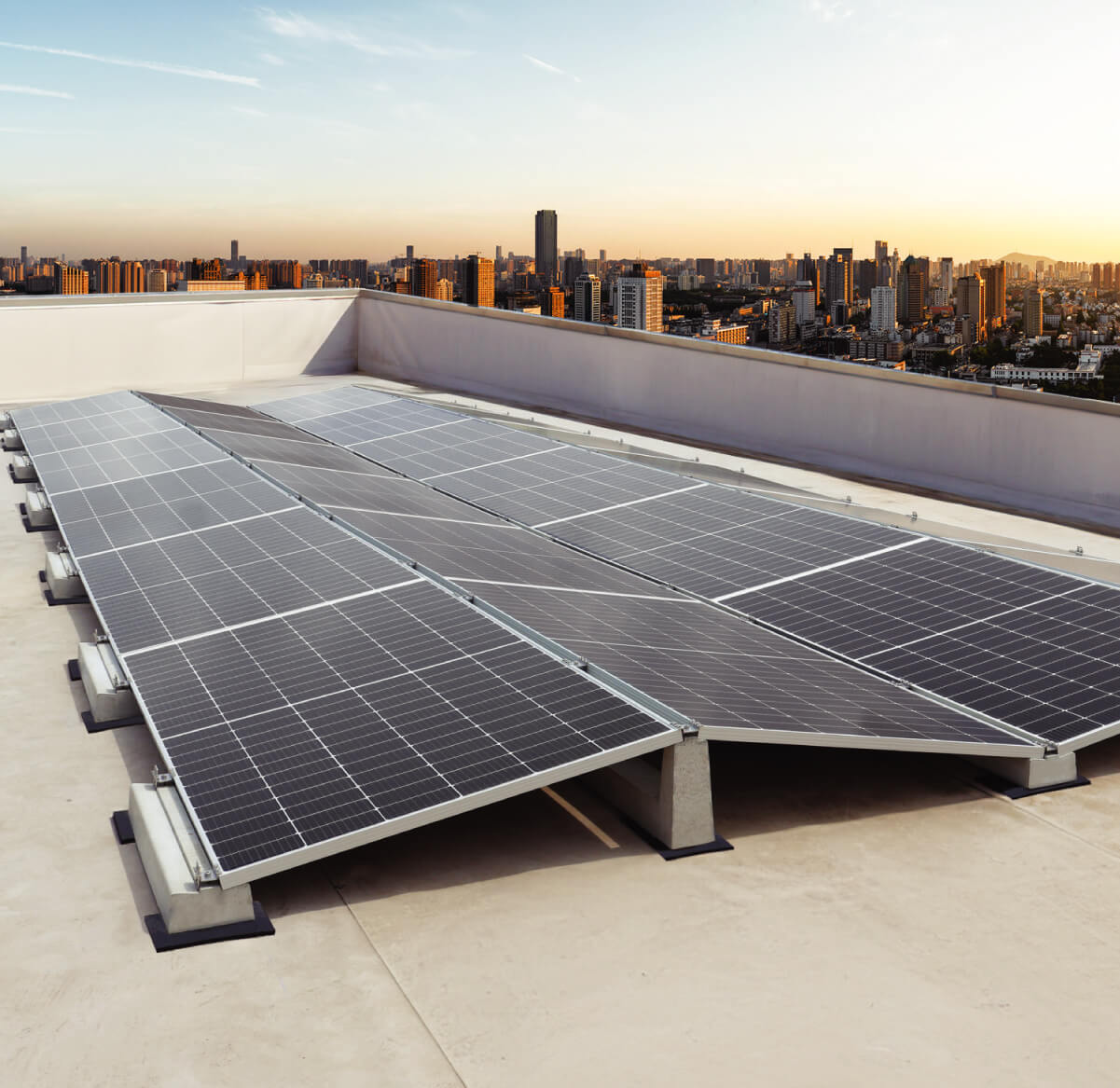
Choosing the right solar flat roof system in Italy often comes
down to one question: how can you install PV faster while protecting the roof? On warehouses,
commercial buildings, and industrial sheds, flat roofs are common—but so are concerns about
waterproofing, wind loads, and long installation times. A ballast-based approach solves many of
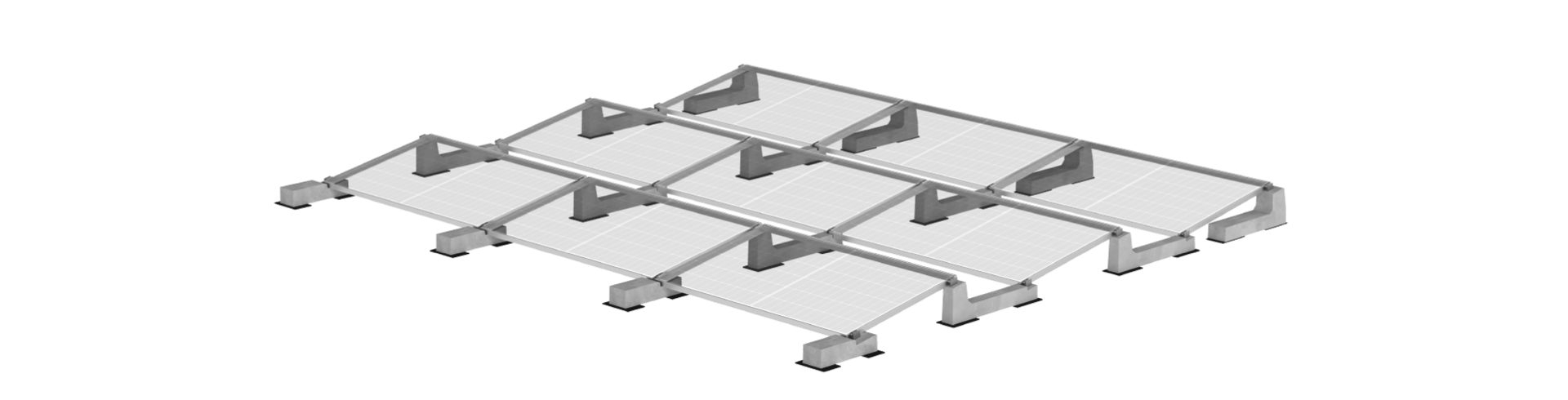
these issues by keeping the membrane intact and reducing on-site complexity. With pre-engineered
concrete weights, modules can be secured without drilling, limiting the risk of leaks and
simplifying coordination between trades. For installers, that means fewer components to manage,
clearer installation steps, and predictable timelines even on large rooftops. For designers and
engineers, it means a mounting solution that supports accurate layout planning, controlled roof
loads, and repeatable performance. The result is a PV mounting strategy that aligns with real
jobsite needs: speed, safety, and consistency. If your priority is to deliver reliable output
with minimal disruption, a no-penetration solution can be a decisive advantage—especially when
schedules are tight and every rooftop detail matters. In short, a modern solar flat roof system
should help you work cleaner, faster, and with less risk from day one.
Why concrete ballast mounting reduces risk and
speeds up work
A key benefit of a ballast solar flat roof system is the
elimination of roof penetrations. By avoiding anchors and fasteners that pierce the waterproof
layer, you reduce the most common source of post-installation issues: water infiltration and
maintenance callbacks. Concrete ballast blocks also streamline logistics on the roof: fewer
rails and brackets, faster positioning, and intuitive assembly. This approach is especially
attractive for PV installers who need to complete more projects per month without compromising
quality. From a technical perspective, ballast solutions support wind management through tested
configurations, correct tilt options, and optimized module spacing—helping keep arrays stable
while respecting roof load limits. Terms that matter on Italian jobsites—flat roof PV mounting,
non-penetrating racking, rooftop solar ballast, wind uplift, structural load distribution—are
all part of the decision. When the system is designed as a complete solution, you also gain
access to practical guidance for plant sizing and layout, reducing uncertainties during design
and execution. The outcome is simple: less time spent solving problems, more time delivering
production-ready solar arrays.
Built for professionals: installers,
engineers, and distributors
In the Italian B2B market, professionals don’t just need
hardware—they need a partner mindset. A high-performing solar flat roof system should come with
dependable technical assistance during design, support for system sizing, and project
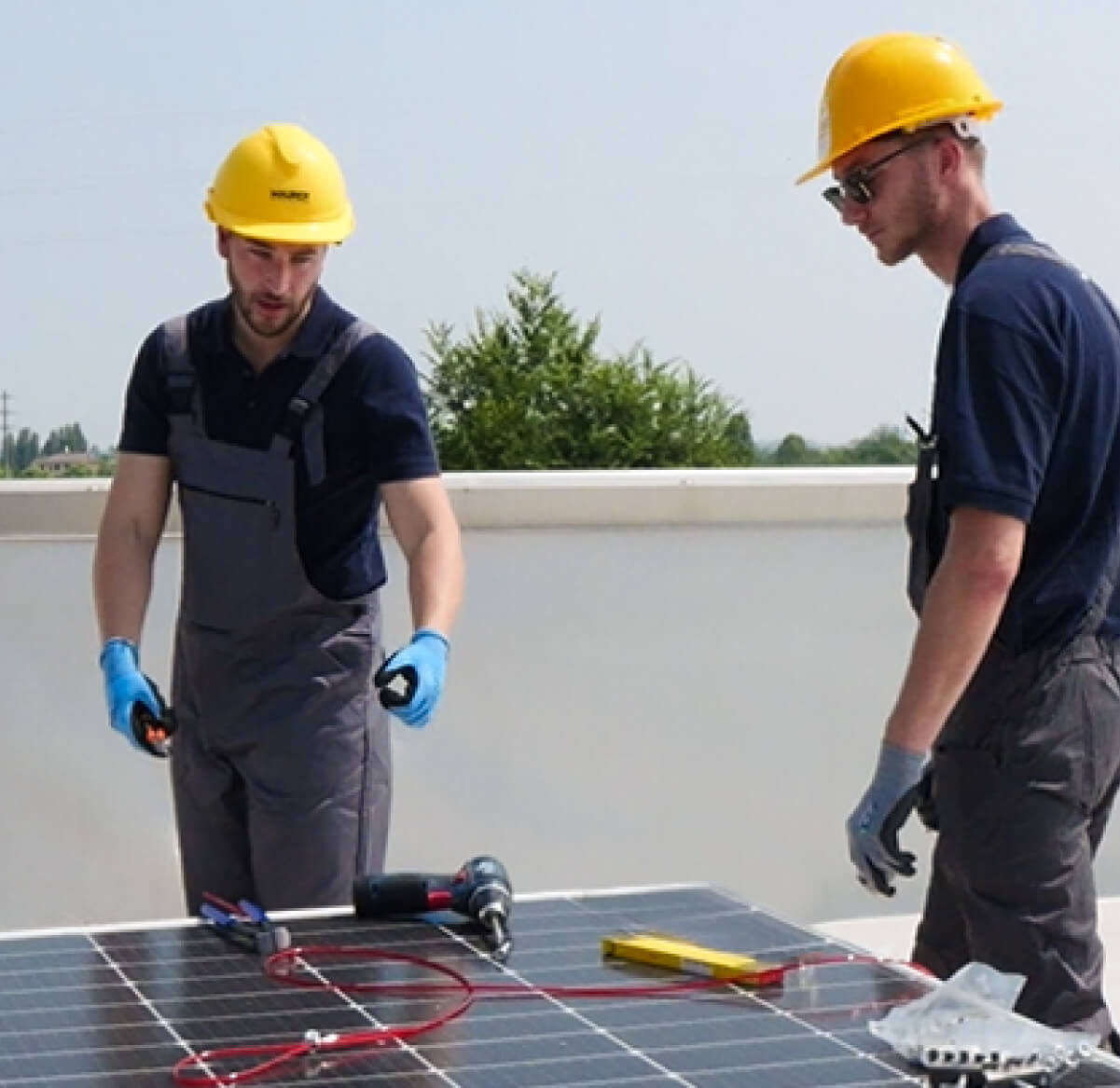
development that follows the job all the way to installation. Installers benefit from quick,
repeatable mounting methods that cut labor hours and minimize mistakes. Engineers and technical
offices gain confidence from solutions designed to be robust, durable, and suitable for
documented calculations involving wind and loads. Distributors and wholesalers appreciate
products that are recognizable, consistently requested, and easy to explain to customers: no
drilling, fewer parts, faster installs. If you’re planning flat-roof PV projects across Italy,
the most persuasive advantage is operational simplicity backed by reliable know-how. That’s how
you reduce risk, protect the roof, and deliver solar plants that meet expectations—on time and
with fewer surprises. A ballast-based solution can help you turn each rooftop into a
straightforward, scalable PV site, whether you manage a single commercial building or a large
portfolio of industrial roofs.