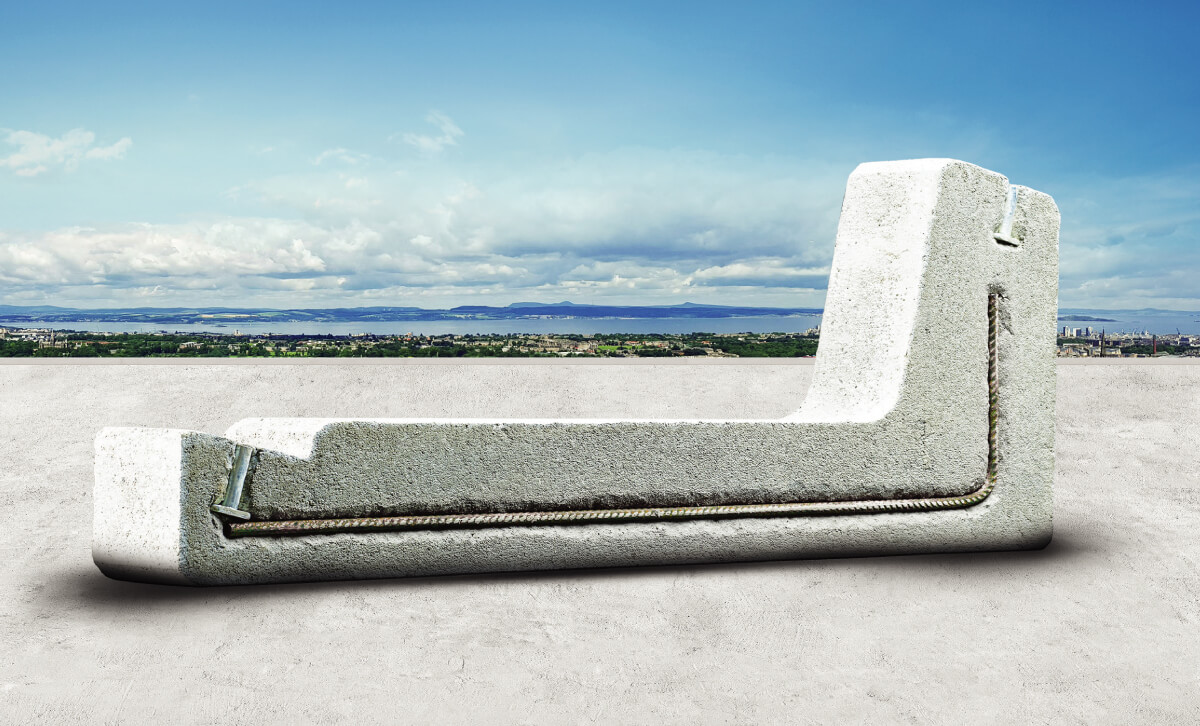
Why Solar Flat Roof Mounting Systems Matter on
Italian Buildings
In Italy, flat roofs on industrial sheds, logistics hubs, and
commercial buildings are ideal for photovoltaic growth—but they also come with real constraints.
Waterproof membranes, limited roof load margins, and strict safety expectations make every
installation choice critical. That’s why solar flat roof mounting systems have become a key
decision for installers and designers who want predictable results. A well-designed system must
protect the roof, simplify the workflow on site, and provide reliable performance under wind
loads common in coastal and open-area locations.
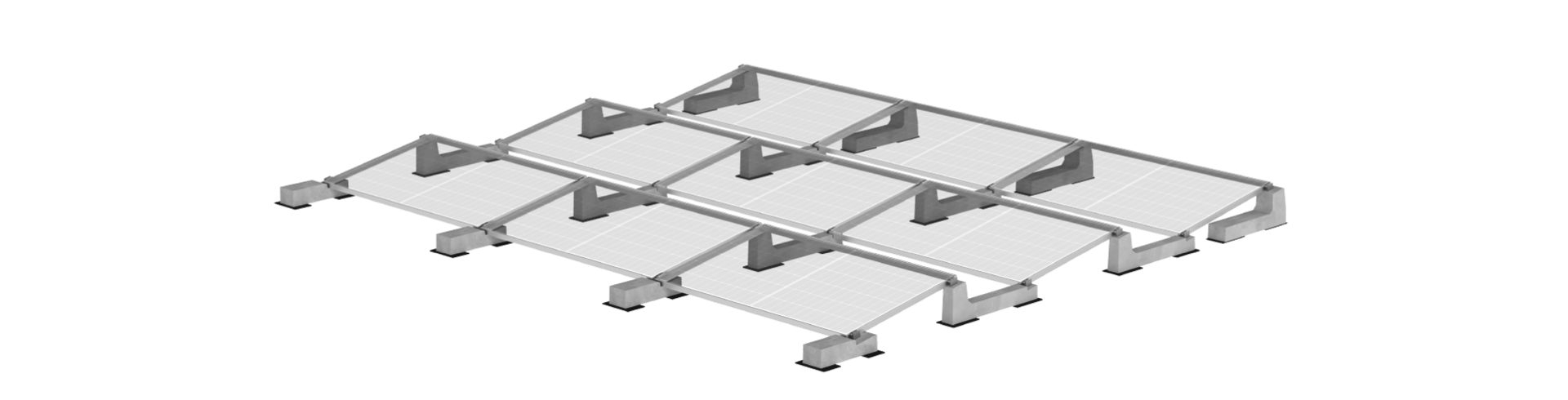
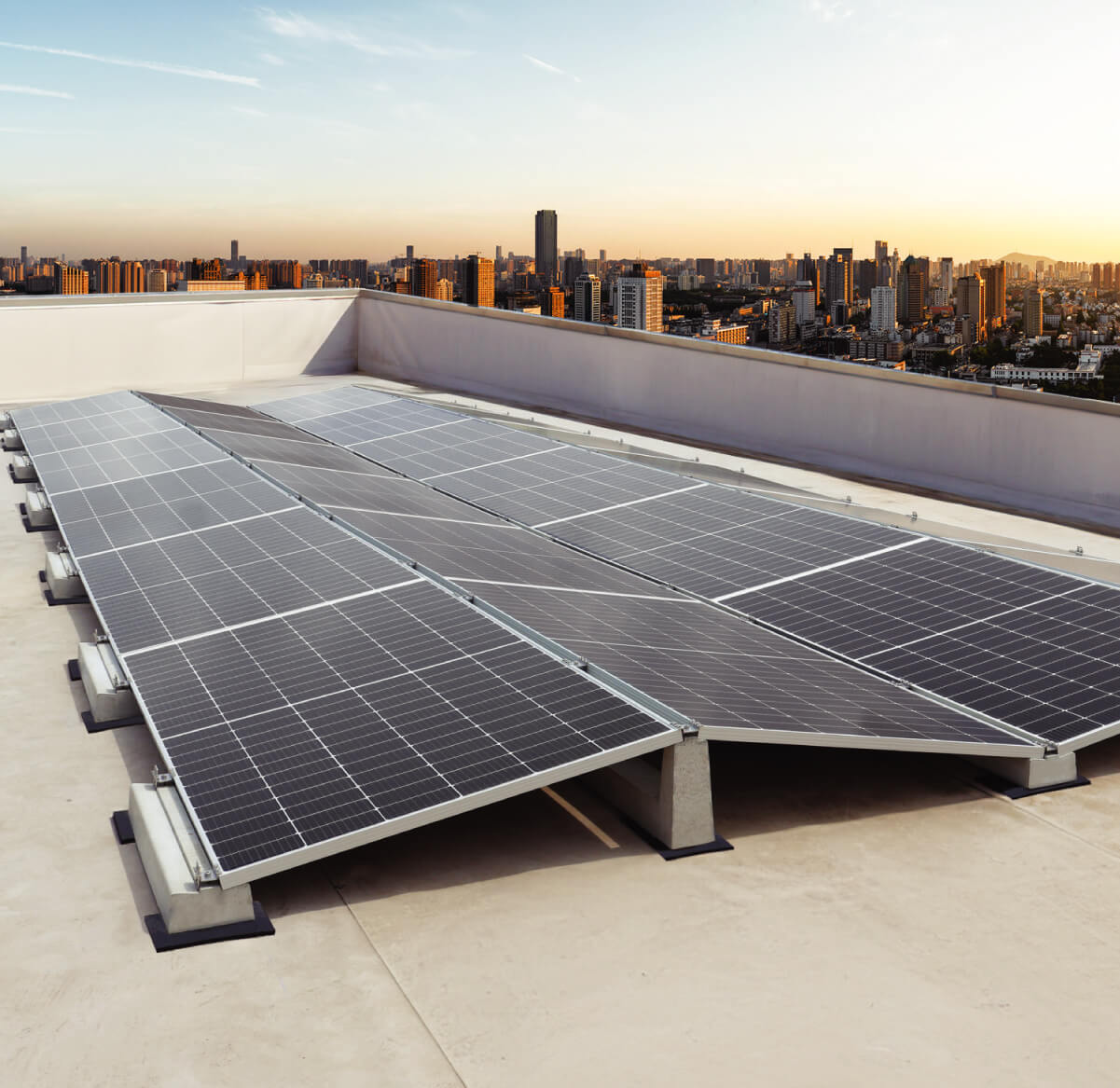
For many projects, the smartest approach is a non-penetrating solution that avoids drilling into
the roof covering. Concrete ballast structures can deliver that advantage, keeping the membrane
intact while stabilizing the modules through weight and geometry. This reduces the risk of
leaks, limits expensive roof remediation, and shortens installation time—especially when crews
are working against tight schedules. For engineering teams, having tested configurations and
clear technical data helps reduce uncertainty when evaluating uplift, distributed loads, and
layout constraints. In short, solar flat roof mounting systems are no longer just “racking”:
they’re a practical method to make rooftop PV easier, safer, and more repeatable across Italy’s
diverse building stock.
Faster Installation with Ballasted,
Non-Penetrating Mounting
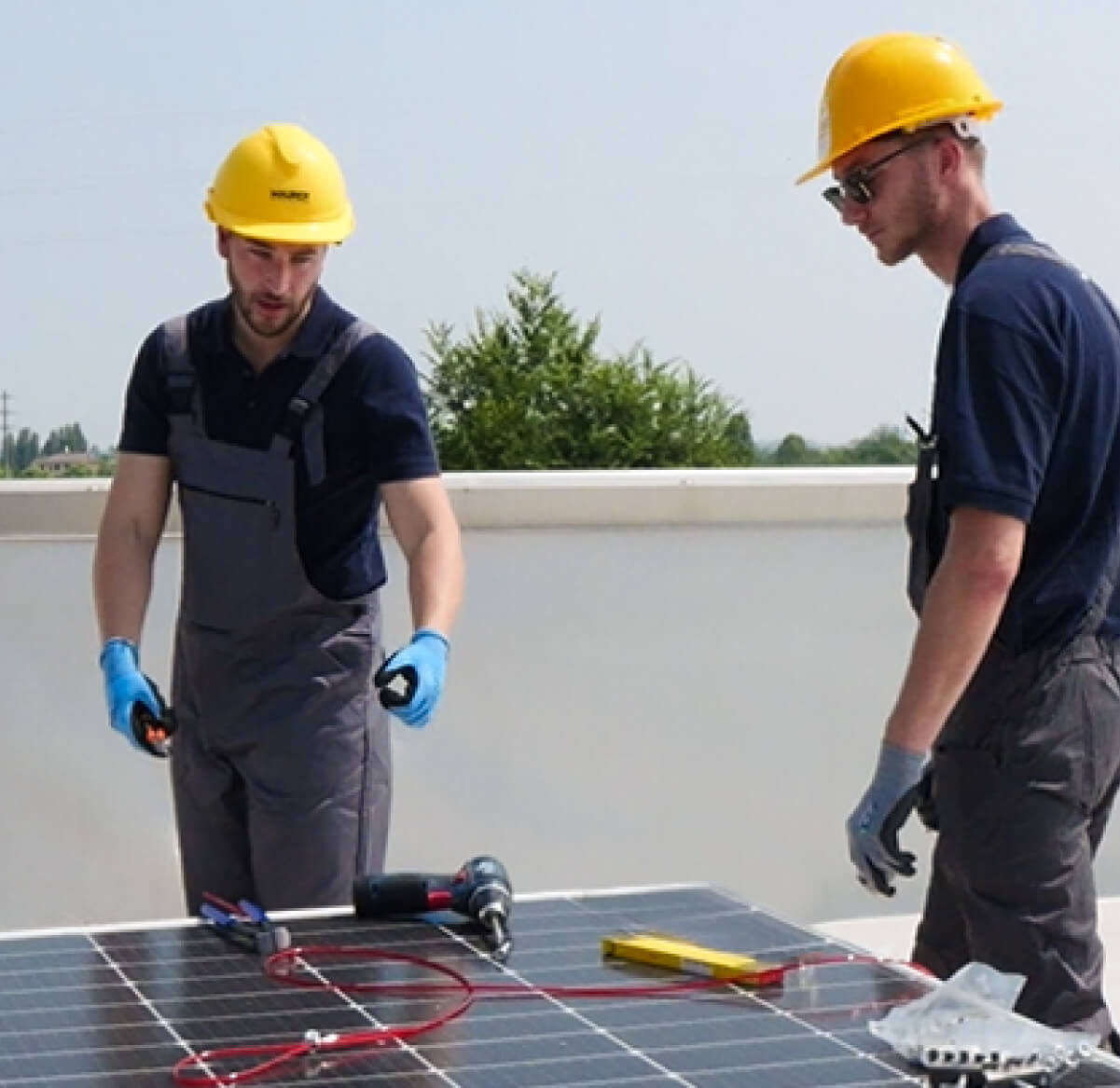
Installers choose solar flat roof mounting systems that remove
friction from the job: fewer components, intuitive assembly, and minimal roof preparation.
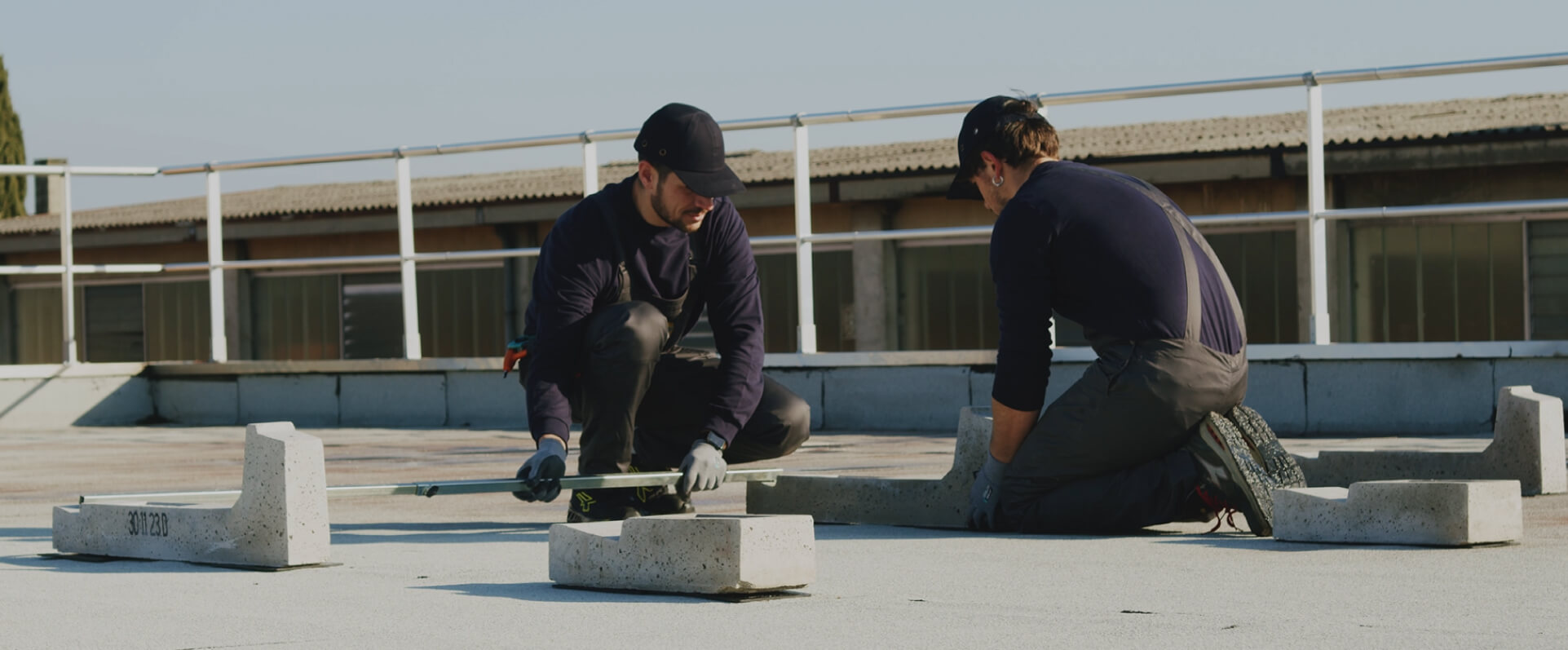
Ballasted mounting structures are built around a straightforward principle—stability without
penetrations—so teams can avoid anchors, chemical fixings, and time-consuming waterproofing
checks. The result is a smoother installation sequence: place, align, connect, and complete.
This approach also supports cleaner site logistics. Predefined tilt angles help standardize
module positioning, while modular elements make it easier to adapt to obstacles such as
skylights, HVAC units, and parapet walls. When the roof can’t be perforated or when the client
demands maximum protection of the existing membrane, non-penetrating systems become a persuasive
choice. They can also reduce the operational headaches that typically slow down rooftop work:
unexpected substrate issues, approval delays, or last-minute changes to fastening plans.
For distributors and wholesalers, these systems are simpler to specify and easier to
explain—because the value is immediate: speed, reduced risk, and a reliable mounting method
designed for flat roofs. When you’re competing on delivery time and job predictability, the
right solar flat roof mounting systems can make the difference between a stressful install and a
smooth one.
Design Support, Wind Calculations, and
Long-Term Reliability
For engineering firms and technical offices, solar flat roof
mounting systems must come with more than hardware. They need dependable documentation, verified
configurations, and support through the design phase—especially when wind exposure, building
height, and edge zones increase complexity. Ballasted PV mounting solutions can be engineered to
match specific roof conditions, helping teams address uplift forces, load distribution, and
array spacing with confidence.
Reliability is not a slogan; it’s a measurable outcome. Durable concrete ballast elements,
proven layouts, and clear sizing criteria help reduce project risk and simplify responsibility
management. That’s particularly valuable in Italy, where rooftop PV often involves existing
structures with varying load capacities and owners who expect minimal disruption.
When you pair a robust, tested approach with technical assistance—from preliminary layout to
final execution—you get a complete path to delivery. Installers benefit from faster, repeatable
assembly. Designers gain confidence in calculations and compliance. And project stakeholders get
a flat-roof PV plant that’s stable, efficient, and built to last. If your next project demands
speed, roof protection, and dependable performance, choosing the right solar flat roof mounting
systems is the practical decision that supports every phase of the work.