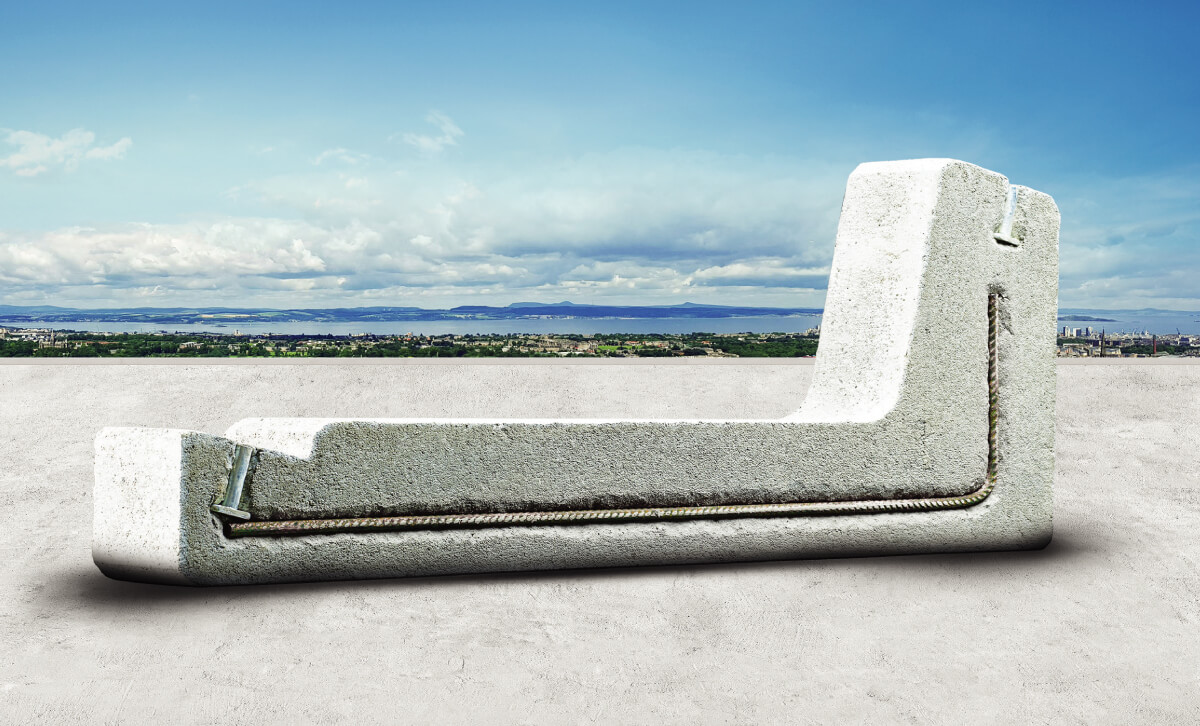
Solar concrete ballast: the simplest way to
build PV on flat roofs
For many PV professionals in Italy, flat roofs are a huge
opportunity—and a frequent source of delays. Traditional racking often means roof penetrations,
complex parts lists, and time-consuming alignment. Solar concrete ballast changes the game by
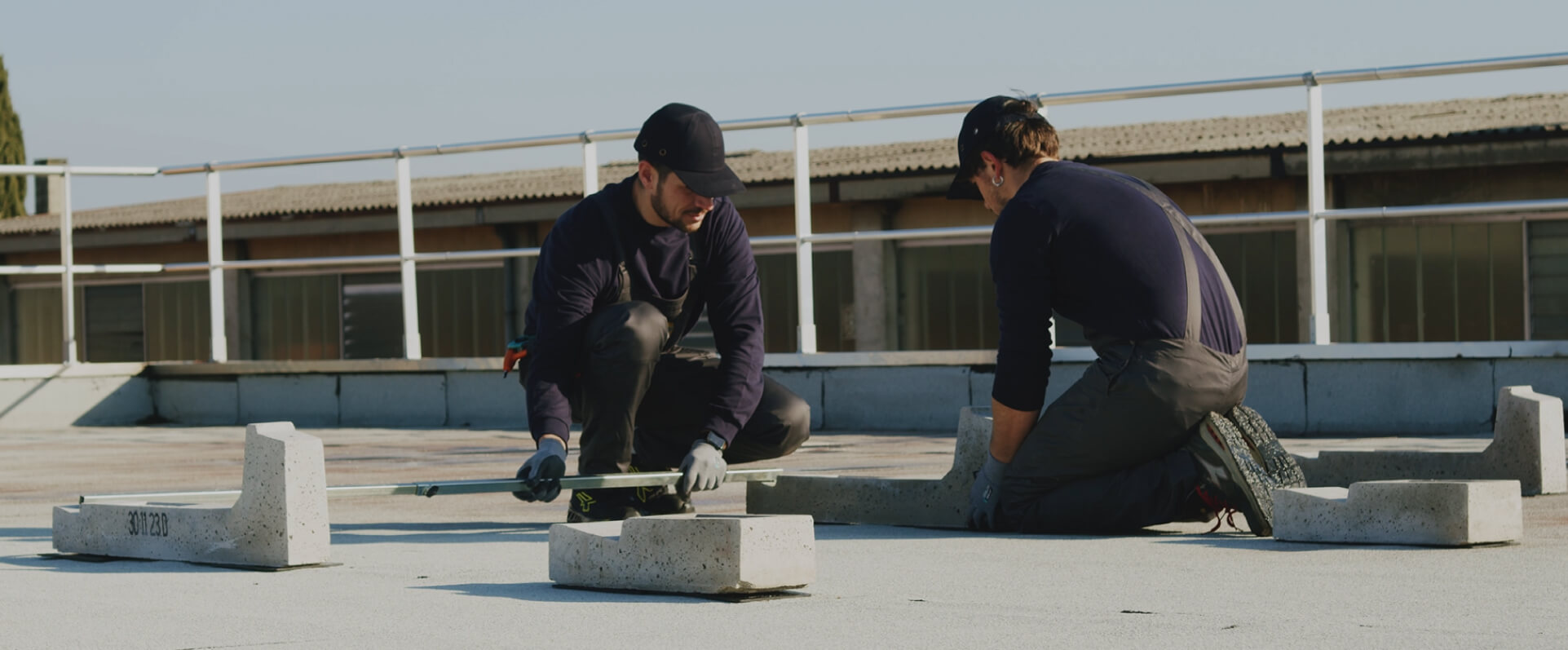
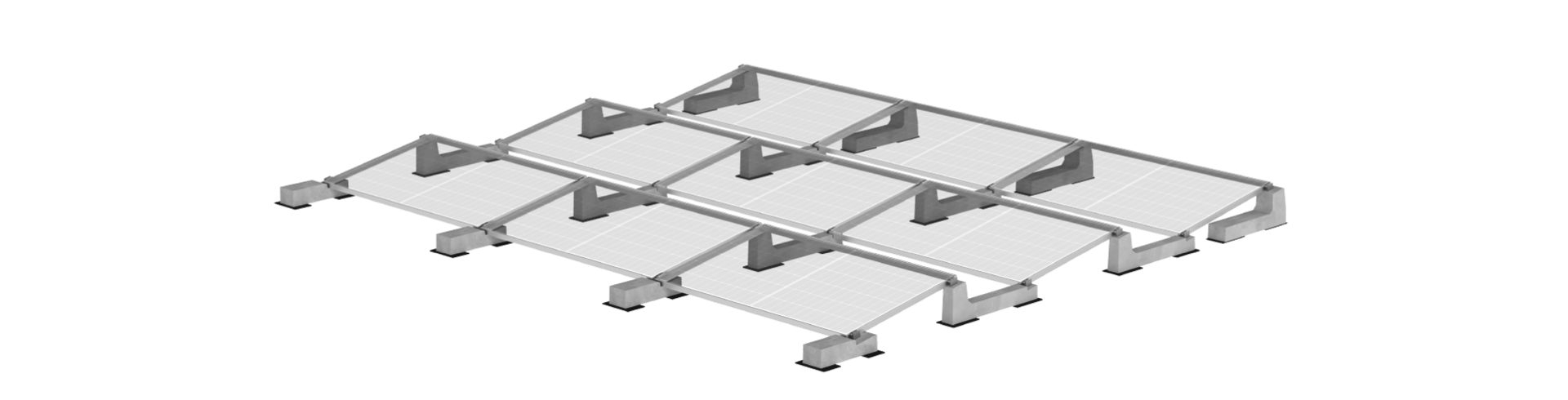
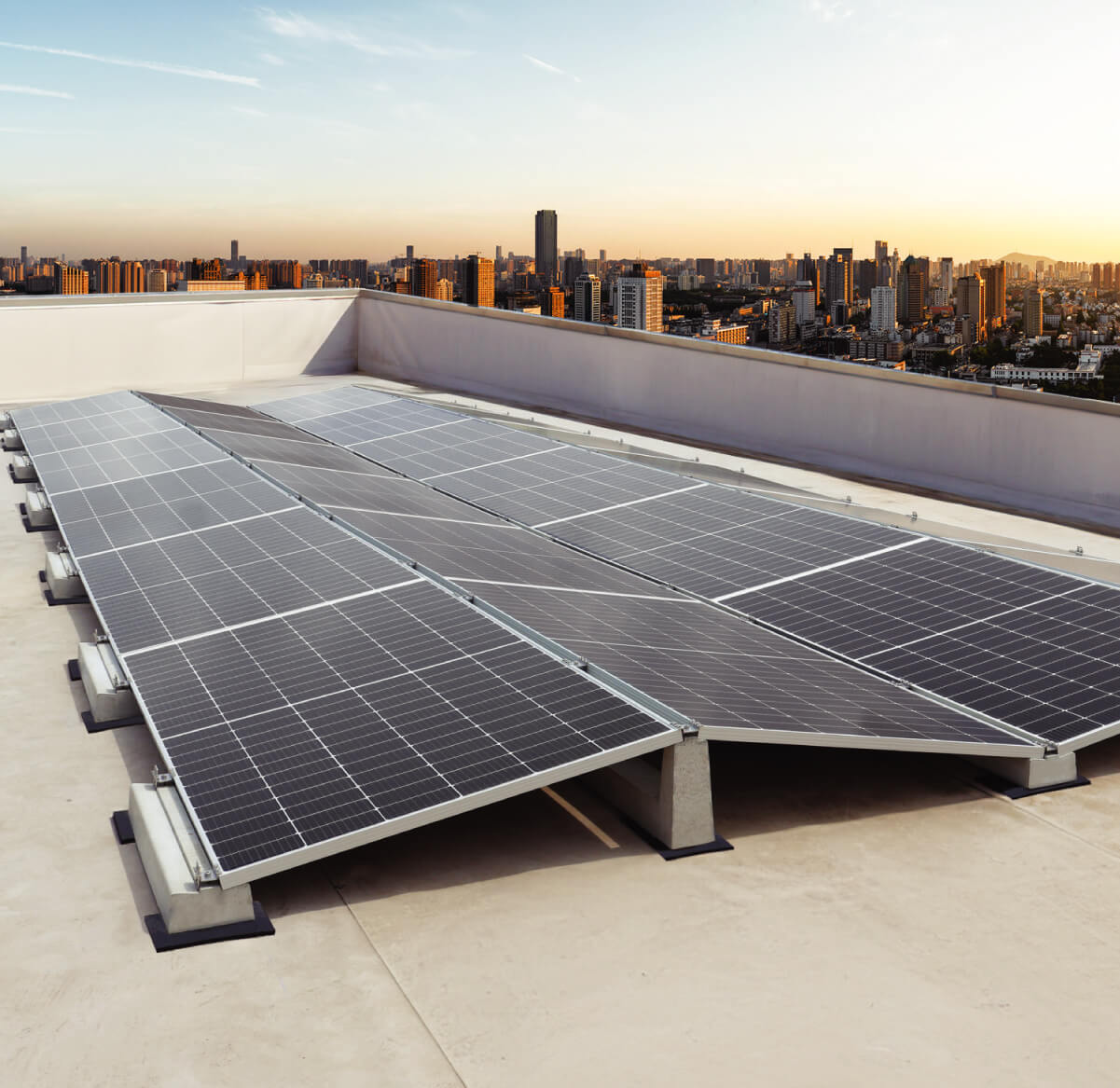
supporting photovoltaic modules with precast concrete weights that keep the system stable
without drilling the membrane. The result is a cleaner jobsite, fewer risks of water ingress,
and faster installation schedules. Installers appreciate the practical benefits immediately:
fewer components to move, fewer tools on the roof, and a layout that’s easy to replicate across
large surfaces. Designers and engineers benefit too, because a well-engineered ballast solution
is built around verified load data and predictable geometry, making wind and structural checks
more straightforward. If your goal is to deliver reliable PV on industrial buildings,
warehouses, or commercial flat roofs, choosing a solar concrete ballast system is often the most
efficient path from design to commissioning. It’s not just about holding panels down—it’s about
simplifying the entire process while keeping performance, safety, and durability at the center
of the project.
Why installers prefer no-penetration ballasted
PV mounting
Speed is money on every rooftop. A ballasted photovoltaic mounting
approach eliminates many of the steps that slow crews down: no waterproofing details around
fasteners, no searching for structural anchoring points, and far less hardware sorting. With
solar concrete ballast, the support and weight are integrated, so installation becomes a
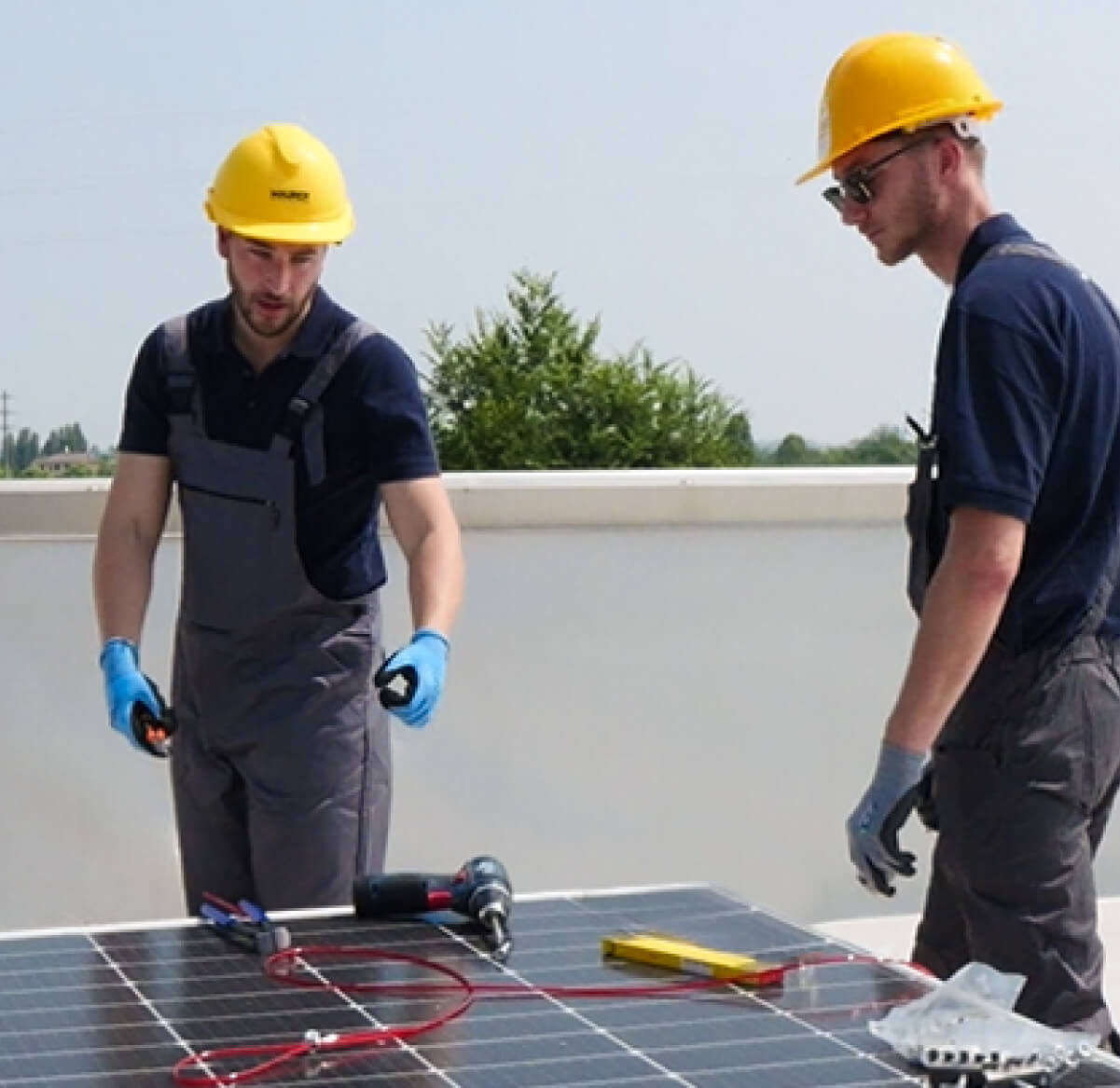
repeatable routine—position, align, and mount. This reduces on-site complexity and helps avoid
costly surprises when the roof build-up is uncertain or documentation is incomplete. Just as
important, the no-drill approach lowers the chance of call-backs linked to leaks or membrane
damage. For installers managing multiple sites, a dependable flat roof PV solution that installs
quickly and consistently can improve margins and project throughput. And because these systems
are designed for real-world rooftop conditions, they can be paired with common module formats
and optimized tilt options, supporting strong energy yield without turning the job into a custom
engineering exercise every time.
A complete technical partner for sizing, wind
loads, and project execution
In B2B solar, products matter—but project support often makes the
difference. A strong solar concrete ballast solution should come with the engineering resources
professionals need: clear technical documentation, validated performance, and assistance during
design and sizing. That includes guidance on array configuration, spacing, roof zones, and
wind-load considerations, so planners can reduce risk while staying compliant with project
requirements. For distributors and wholesalers, a recognizable ballasted system is also easier
to explain and stock, because it solves a common market need: flat roof PV without penetrations.
If you’re aiming for reliable, durable rooftop solar across Italy, prioritize a ballasted
mounting strategy that combines tested concrete PV ballast blocks with practical design
support—from early layout choices through to on-site execution. The payoff is tangible: smoother
approvals, faster installs, and a simpler path to delivering high-quality photovoltaic systems
that perform for years.