Why a Solar Ballasted System Makes Flat-Roof
PV Easier
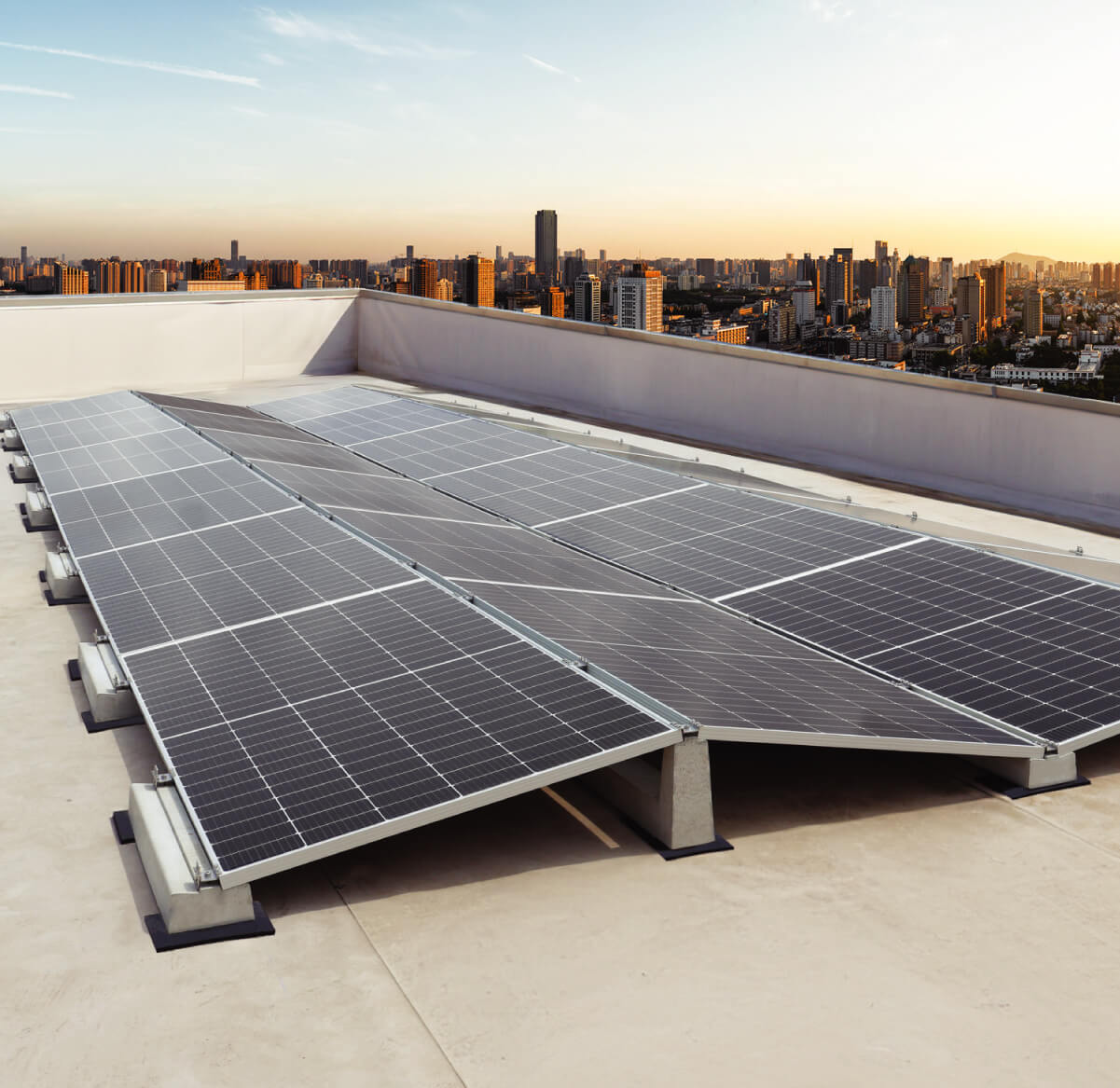
A solar ballasted system is one of the smartest ways to build a
photovoltaic installation on flat roofs across Italy, especially when speed, safety, and roof
integrity matter. Instead of drilling and anchoring into the waterproofing layer, the structure
relies on engineered concrete ballast to keep the modules stable. For installers, this means
fewer steps, fewer parts to manage on site, and a cleaner workflow from unloading to final
alignment. For designers and engineers, it reduces the typical concerns around penetrations,
water ingress risk, and long-term roof maintenance. A well-designed solar ballasted system also
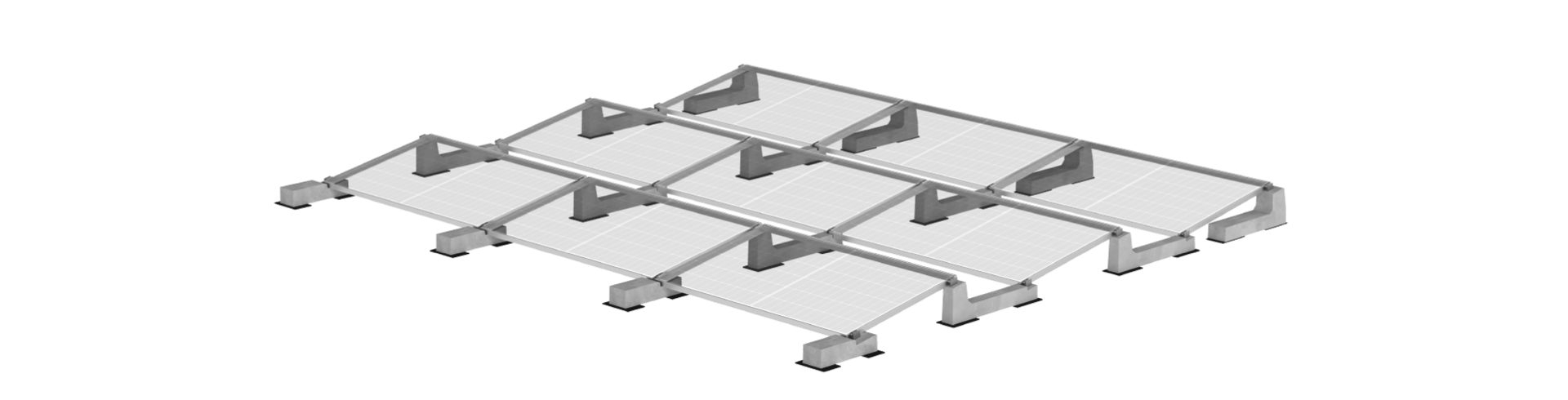
supports predictable performance by integrating the correct tilt and spacing, helping you
optimize production while respecting rooftop constraints like parapets, HVAC units, and
walkways. When wind loads and structural loads are evaluated correctly, ballasted mounting can
deliver a robust, durable solution suited to many commercial and industrial buildings. The
result is a flat-roof PV approach that feels practical in the real world: quick to install, easy
to plan, and aligned with the daily needs of B2B professionals who want reliable outcomes
without unnecessary complexity.
Key Benefits for Installers: Faster Jobs,
Fewer Risks
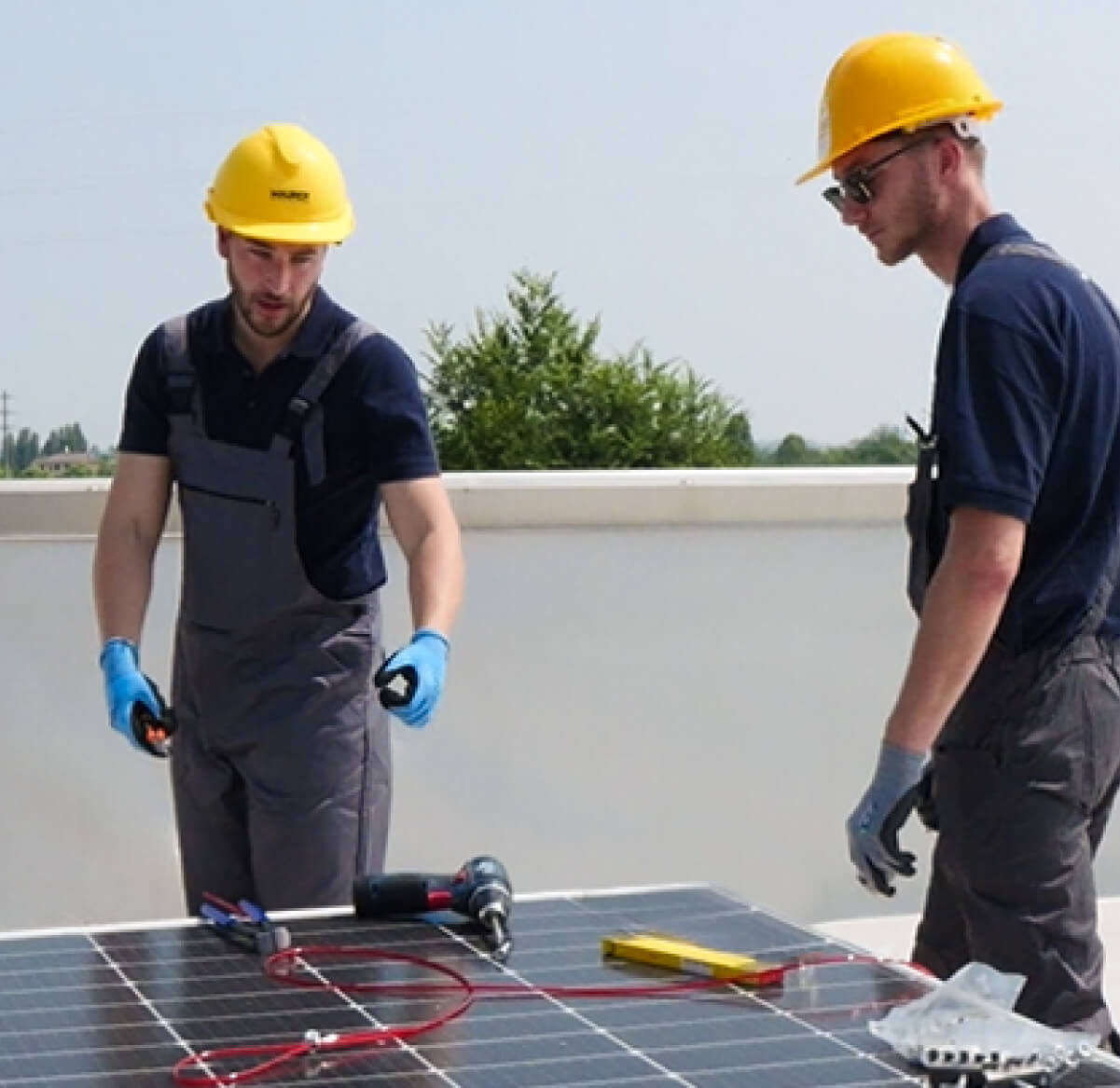
Installers choose a solar ballasted system because it helps them
finish more projects with fewer headaches. The biggest win is avoiding roof penetrations: no
drilling, no chemical anchors, and far less chance of creating leaks that trigger call-backs.
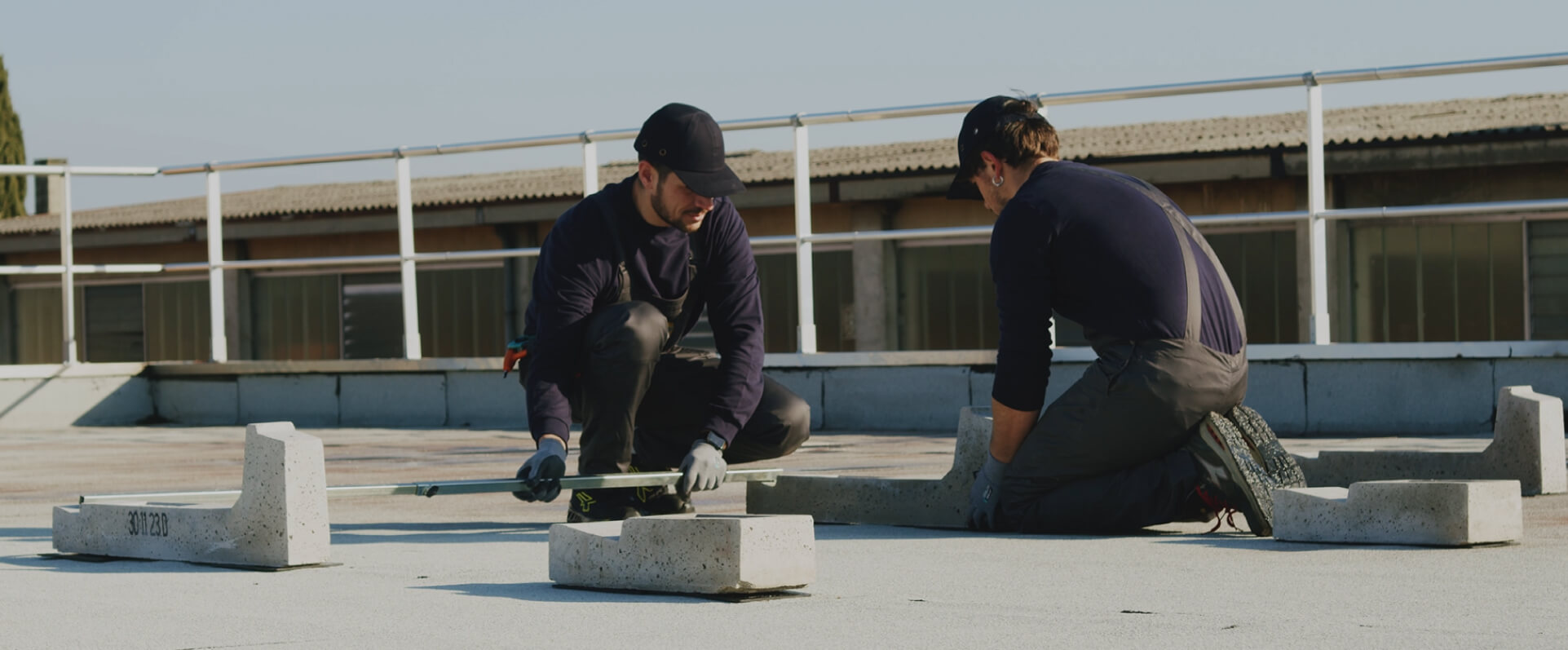
With concrete ballast blocks designed for PV mounting, the installation becomes more
intuitive—place, align, clamp, and connect. That simplicity reduces labor time and makes
logistics easier, especially on large flat roofs where moving parts and tools can slow the crew
down. Another advantage is jobsite reliability: fewer components typically mean fewer missing
items and less improvisation under pressure. When a ballasted PV racking solution is supported
by clear assembly instructions and standardized configurations, teams can keep quality
consistent across multiple rooftops. Add in dependable wind resistance and tested mechanical
stability, and you get a system that feels “install-and-move-on”—exactly what professionals need
when timelines are tight and margins depend on efficiency.
Designed for Professionals: Technical Support
and Confident Planning
For engineers, planners, and distributors, a solar ballasted
system is easier to specify and sell when it comes with strong technical backing. Correct sizing
depends on trusted data: wind exposure, roof height, module layout, ballast weight, and load
distribution. With the right support during design, you can reduce uncertainty, document choices
clearly, and minimize project risk. That matters in Italy’s varied climates—from coastal wind
conditions to inland industrial areas—where compliance and performance need to be demonstrated,
not assumed. A complete solution goes beyond supplying ballast: it includes layout guidance,
system dimensioning, and assistance through the project lifecycle, so the installation matches
the original design intent. For distributors, that “ready-to-deliver” approach creates a product
that’s easier to recommend because it answers the usual objections upfront: speed, roof safety,
and dependable engineering. If your goal is to simplify flat-roof solar while keeping standards
high, the solar ballasted system approach is a persuasive, proven path to efficient PV
deployment.