Why a Solar Ballast System Makes Flat-Roof PV
Easier
Installing photovoltaics on a flat roof should be
straightforward—but too often it becomes a battle with waterproofing concerns, long assembly
times, and complex roof fixings. A solar ballast system is designed to remove those headaches by
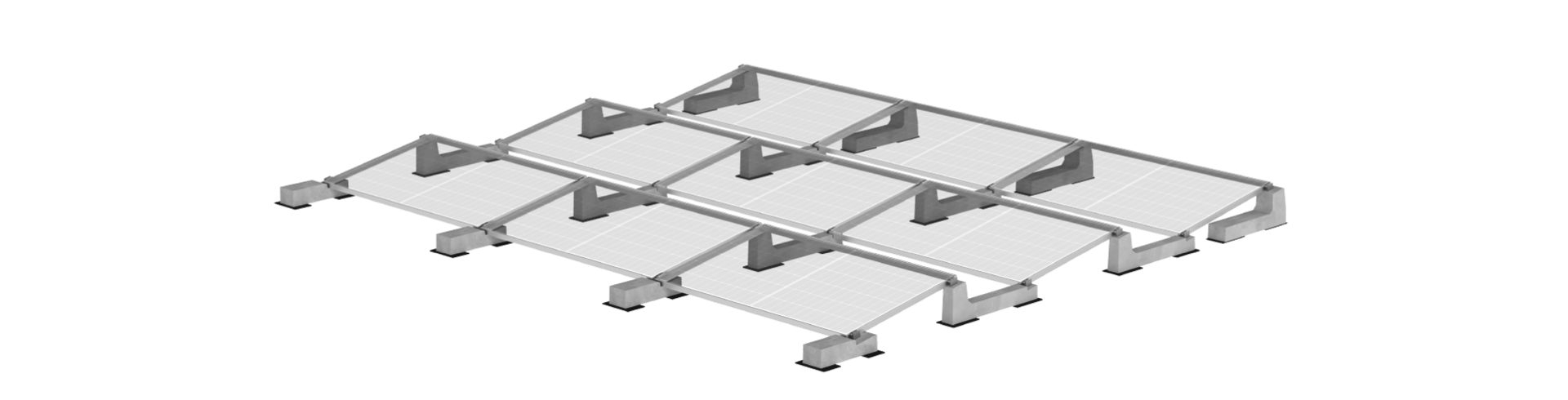
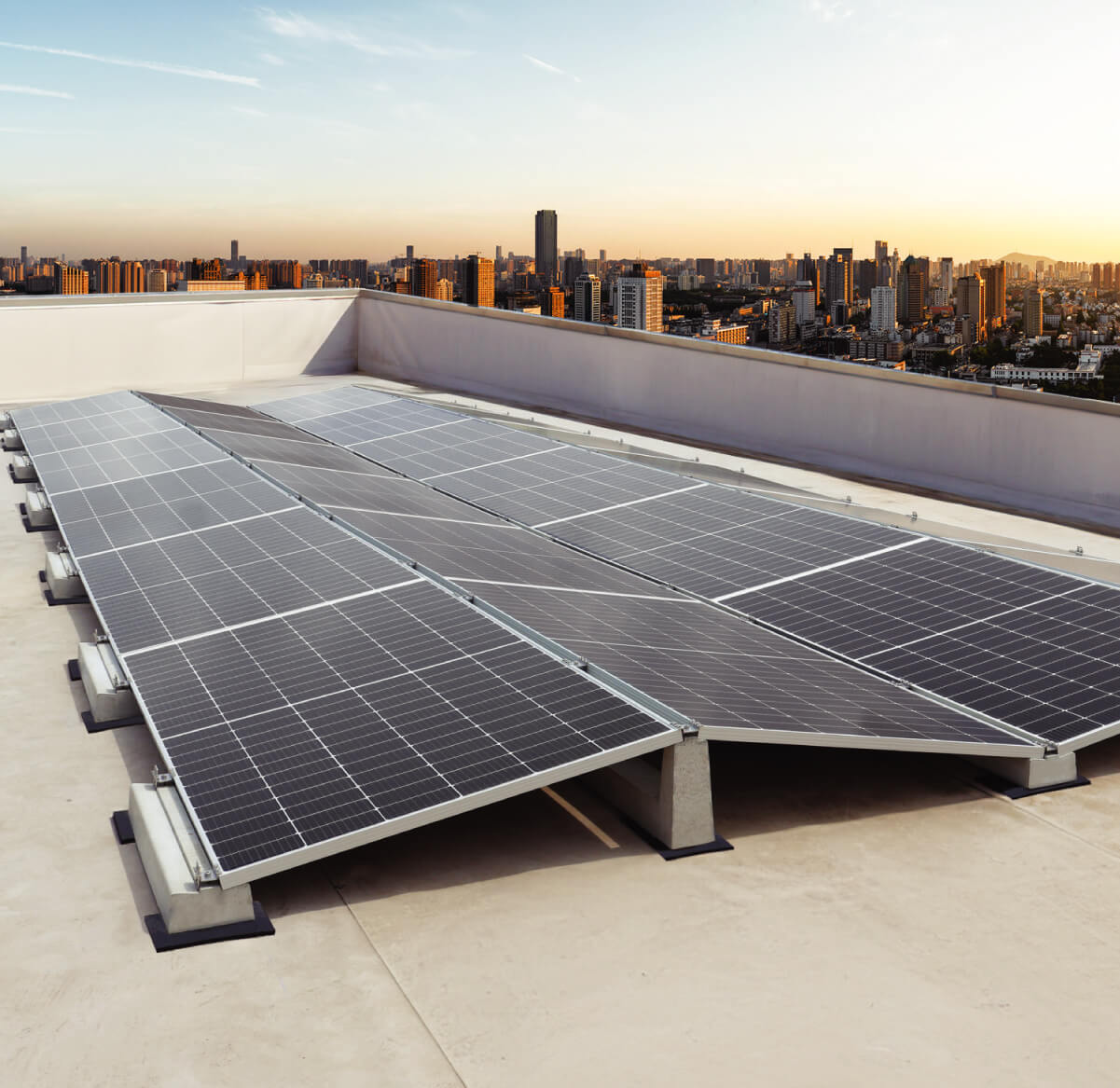
using precast concrete weights that keep PV modules stable without drilling through the
membrane. For installers in Italy, this means fewer components to manage, faster on-site
workflows, and a cleaner, more predictable installation. Because the mounting relies on ballast
rather than penetrations, you reduce the risk of leaks and avoid costly remediation later. It’s
also a practical answer for many commercial buildings where the roof owner is cautious about any
structural alteration. Beyond speed, a well-designed solar ballast system supports consistent
alignment and repeatable layouts—helping crews deliver neat results even under tight schedules.
And when you pair the system with technical guidance on configuration and spacing, the whole
project becomes easier to plan, quote, and execute. The end goal is simple: secure PV mounting
for flat roofs, with fewer surprises and a smoother path from design to commissioning.
Engineered Support: Wind, Loads and Reliable
Design Data
For engineers and technical offices, the real value of a solar
ballast system is confidence: verified performance, clear technical documentation, and reliable
data for sizing. Flat-roof PV must handle wind uplift, ballast distribution, roof load limits,
and module inclination—especially in variable Italian climates and coastal or high-wind areas.
Choosing a solution built around tested concrete ballasts and standardized configurations helps
reduce uncertainty and responsibility risk. With proper project support, designers can define
array geometry, assess loads, and select the most suitable tilt angle without reinventing
calculations every time. The result is a PV mounting approach that is safer, more repeatable,
and easier to justify in documentation. When a solar ballast system comes with planning
assistance—from preliminary layouts to final execution details—it becomes more than a product:
it’s a technical pathway that protects timelines and supports compliant, high-quality
installations on flat roofs.
A Practical Advantage for Installers and
Distributors in Italy
In the Italian B2B solar market, simplicity sells—especially when
it reduces time on the roof. A solar ballast system is easy to explain to customers because the
benefits are immediate: no roof penetrations, fast assembly, and a robust structure built around
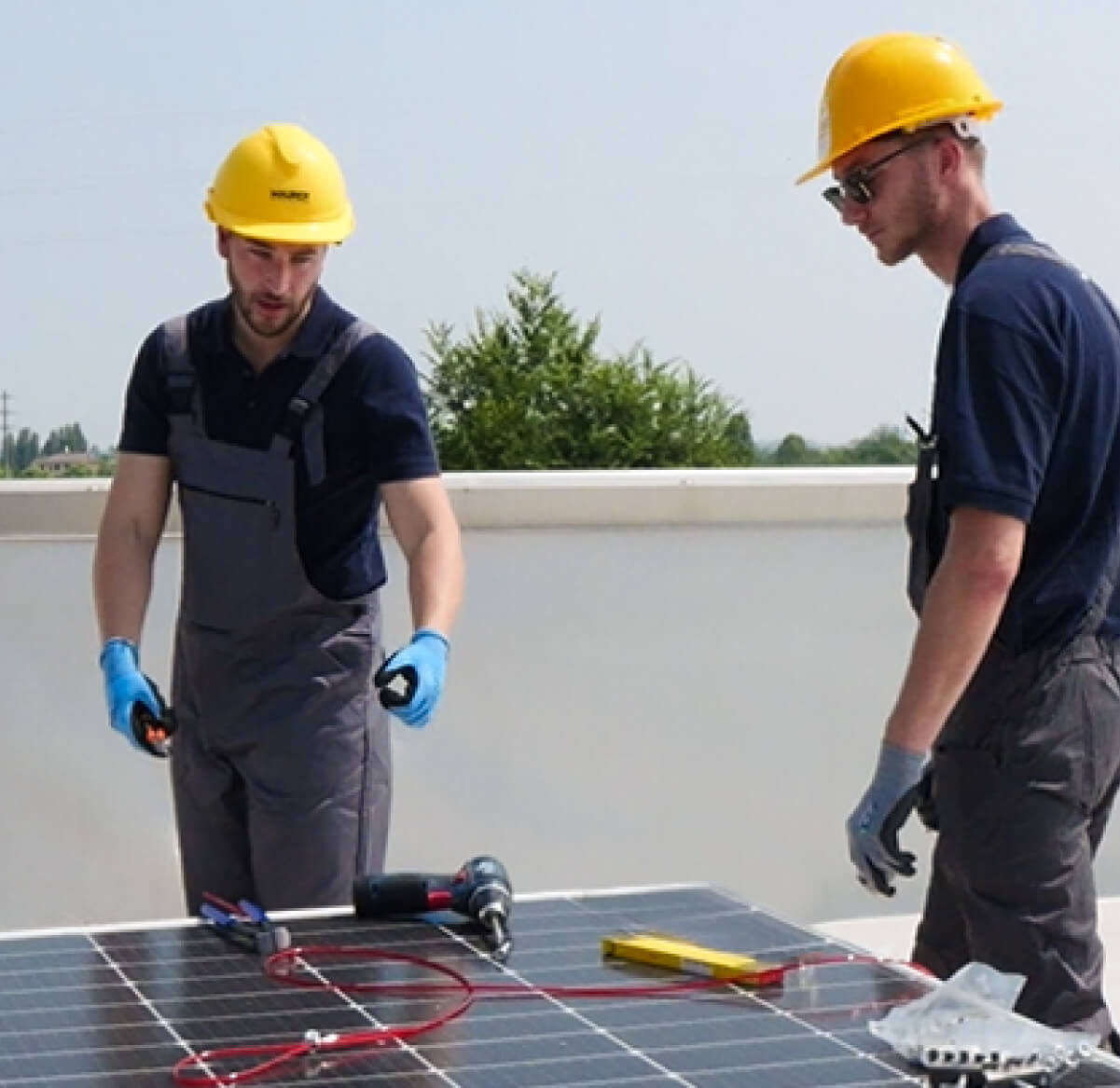
durable concrete. Installers appreciate the reduced complexity and the ability to complete more
projects with the same crew, while distributors benefit from a recognizable solution with steady
demand. It also helps that the system fits common flat-roof PV scenarios—industrial sheds,
logistics hubs, and commercial rooftops—where owners want clean installation and minimal
disruption. With fewer parts, quicker positioning, and straightforward module support, teams can
avoid typical site delays and focus on quality checks and commissioning. If your priority is a
reliable, efficient flat-roof photovoltaic mounting strategy, a solar ballast system is a smart
way to deliver performance, reduce risk, and keep every stakeholder—installer, designer, and
buyer—aligned on a solution that works.