Why a Solar Ballast Structure Is the Smart
Choice for Flat Roof PV
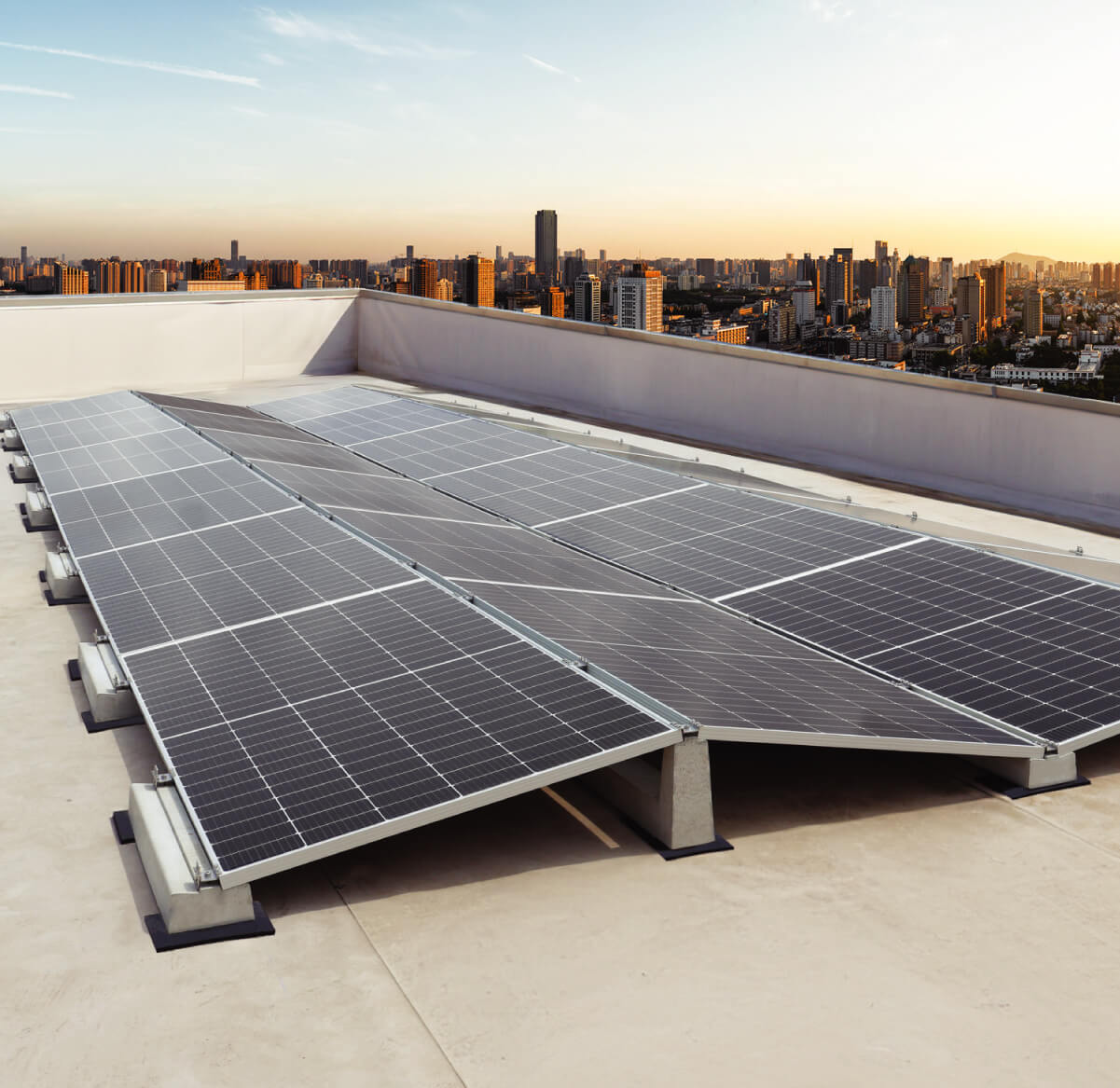
In Italy, flat roofs are a prime opportunity for commercial and
industrial photovoltaic systems—but they also come with one recurring challenge: how to mount
panels securely without compromising the waterproofing layer. A solar ballast structure solves
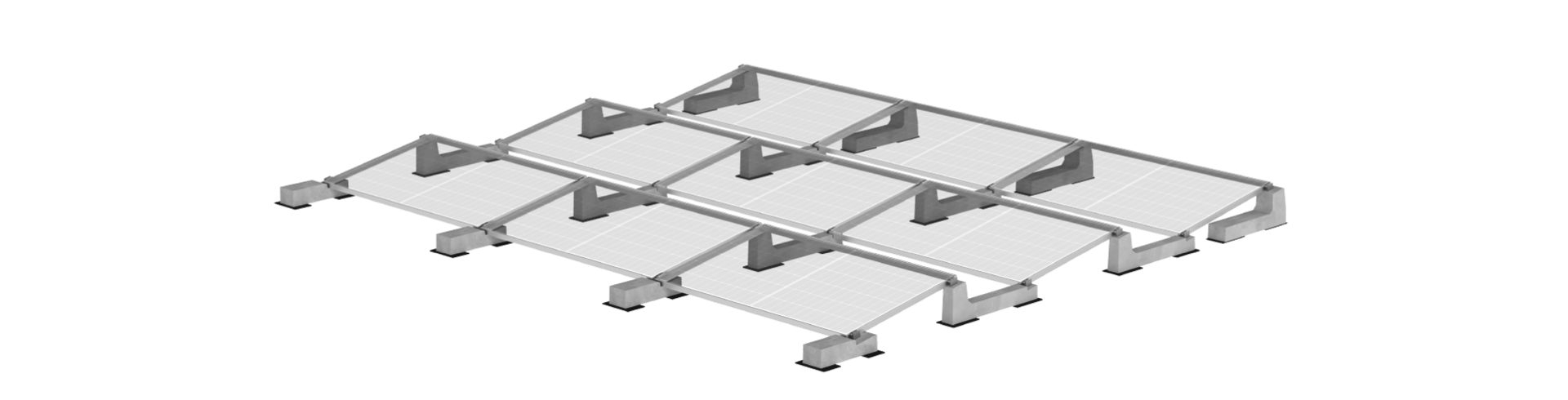
this problem by using weighted supports that keep modules stable without drilling into the roof.
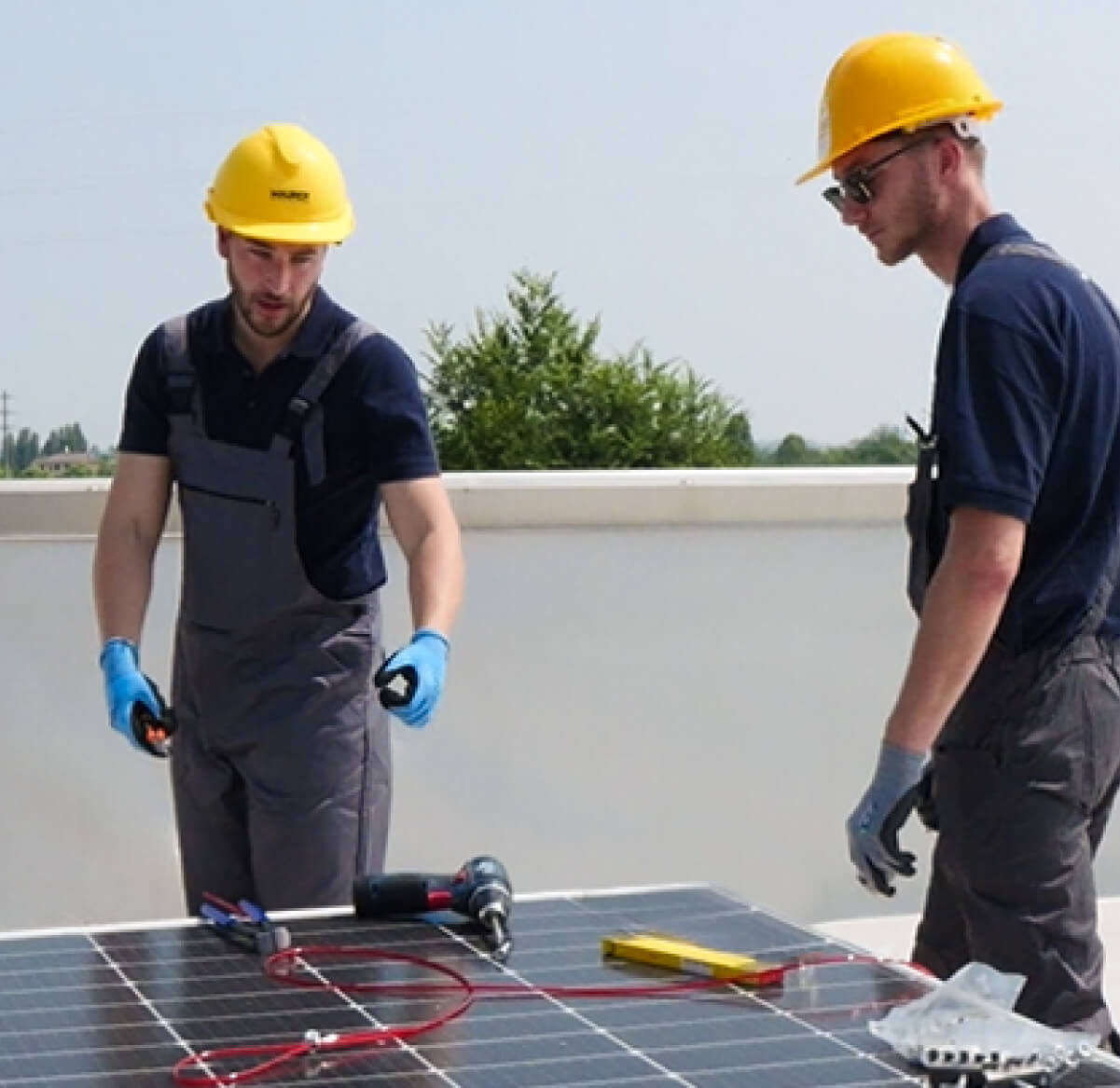
For installers, this means fewer site headaches, cleaner workflows, and faster installation
times. Instead of complex assemblies with many small parts, a ballast-based PV mounting system
typically reduces components and simplifies alignment, helping crews complete more rooftops per
month. For designers and engineers, the advantage is equally clear: predictable load
distribution, documented performance, and an approach that helps manage wind uplift and
structural constraints through proper system sizing. Distributors benefit from offering a
solution that is easy to explain, easy to stock, and consistently requested across the market.
When the goal is to deliver reliable solar on a flat roof—quickly, safely, and with minimal
risk—choosing a solar ballast structure is a practical, proven path that supports quality
execution from design to commissioning, and reduces the likelihood of costly rework during
installation. It’s a straightforward way to turn a flat roof into a dependable energy asset
while keeping the roof intact and the jobsite efficient.
Key Benefits: No Roof Penetrations, Faster
Installation, Fewer Risks
The biggest selling point of a solar ballast structure is simple:
no penetrations. By avoiding roof drilling, you protect membranes and reduce the risk of
leaks—one of the most common concerns in flat-roof PV projects. From an installer’s perspective,
that translates into shorter setup times, fewer specialized tools, and smoother coordination
with other trades on site. From a technical standpoint, a well-designed ballasted mounting
solution supports accurate tilt selection and consistent module positioning, which helps
optimize production while keeping loads under control. Because the system relies on concrete
ballast and smart geometry, it can be engineered to meet project-specific wind zones and roof
constraints in Italy. This makes it easier for engineering teams to defend choices with clear
data and reduce responsibility-related stress. For procurement and distribution, a recognized
ballasted solar mounting approach offers a stable, repeatable specification that professionals
can trust, job after job. In short: fewer parts, fewer unknowns, and fewer callbacks—while
delivering the strength and durability expected in long-life photovoltaic installations.
Designed for Professionals: Technical Support
and Project Sizing Included
A solar ballast structure delivers the most value when it comes
with real-world support for the people who design and install systems every day. Professional
teams often need more than a product—they need confidence in calculations, layout, and
compliance. That’s why an integrated approach matters: technical assistance during the design
phase, reliable data for system sizing, and guidance that takes the project from concept to
execution. For PV installers, this means practical answers that save time on site: correct
configuration, fewer surprises, and an installation method that stays intuitive even under tight
deadlines. For engineers and technical offices, it means having a partner-like workflow with
tested solutions and documented performance, helping reduce design risk. For distributors, it
means offering a solution that’s easier to sell because it’s complete, dependable, and built for
flat roofs. If your next project in Italy involves a commercial roof, logistics hub, or
industrial facility, choosing a solar ballast structure can be the difference between a
complicated build and a streamlined installation that protects the roof, meets performance
goals, and keeps everyone aligned—from specification to final handover.