Why Solar Ballast Mounting Systems Are the
Smart Choice for Flat Roofs in Italy
For many commercial and industrial buildings across Italy, flat
roofs are an ideal surface for photovoltaics—but they also create a common challenge: how to
install quickly without compromising the waterproof membrane. Solar ballast mounting systems
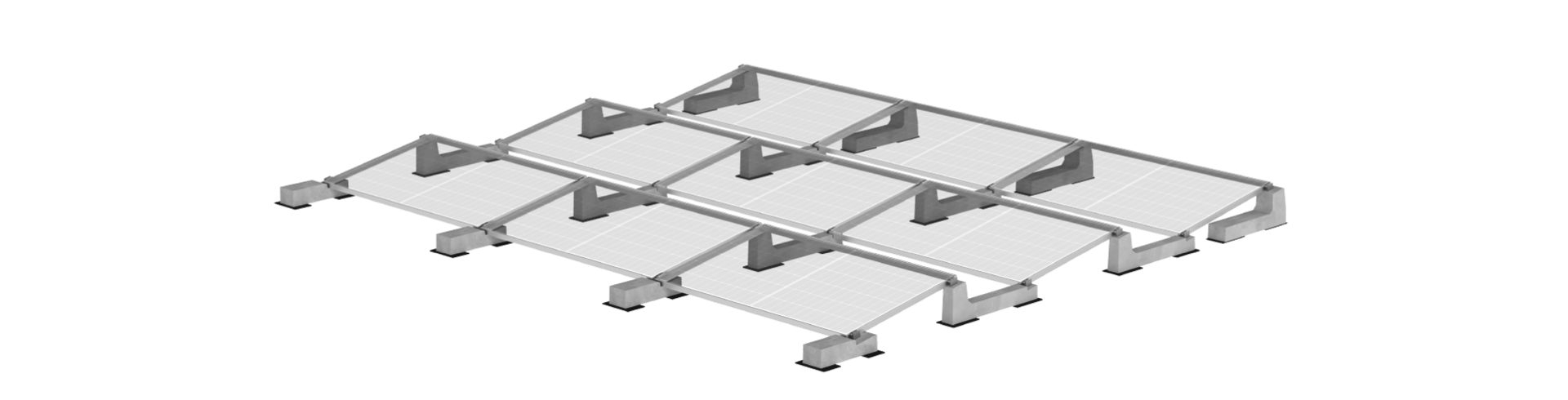
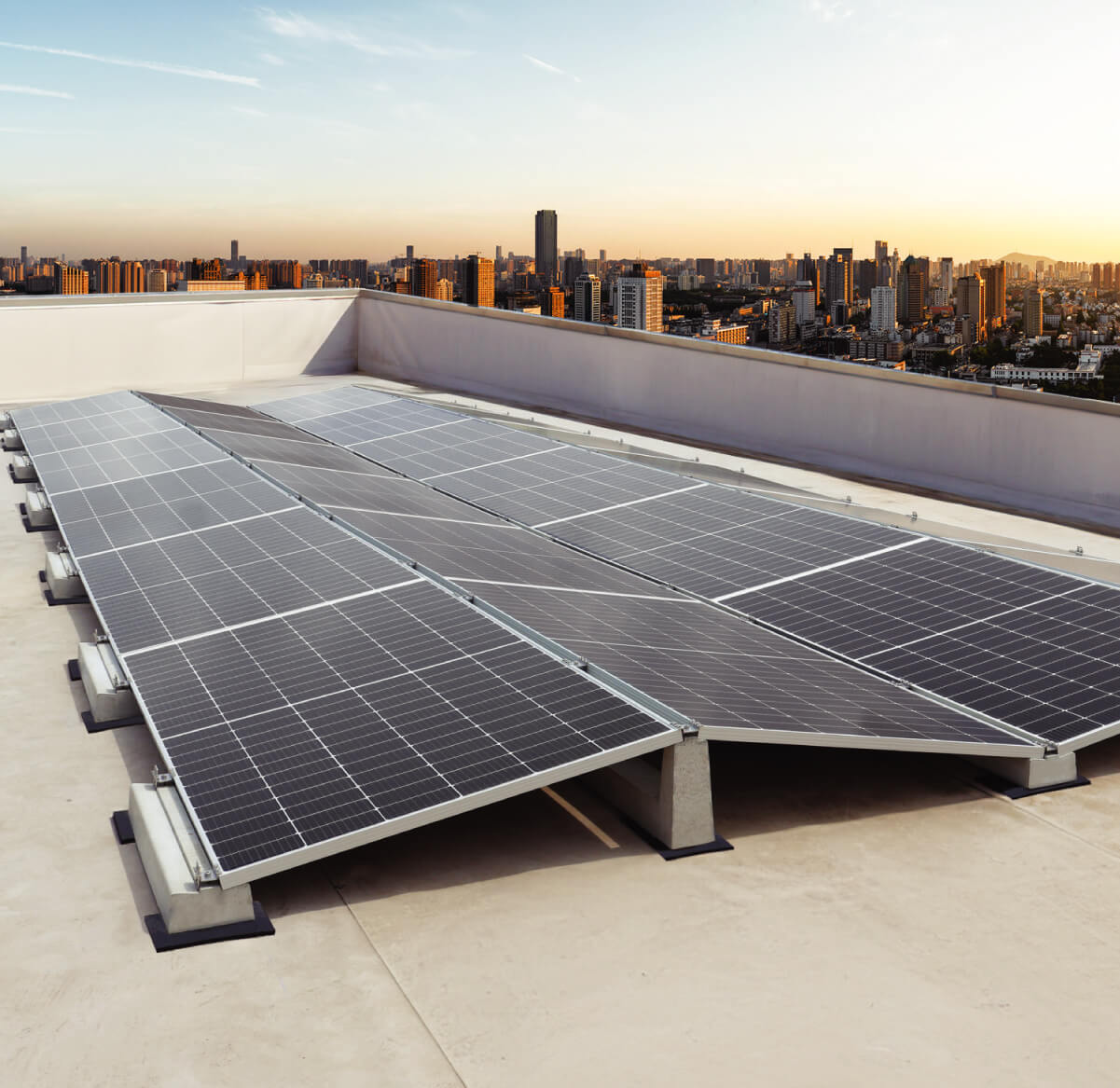
solve this problem by using concrete weights to secure PV modules without roof penetrations.
That means fewer risks of leaks, less disruption on site, and a cleaner, more predictable
workflow for installers.
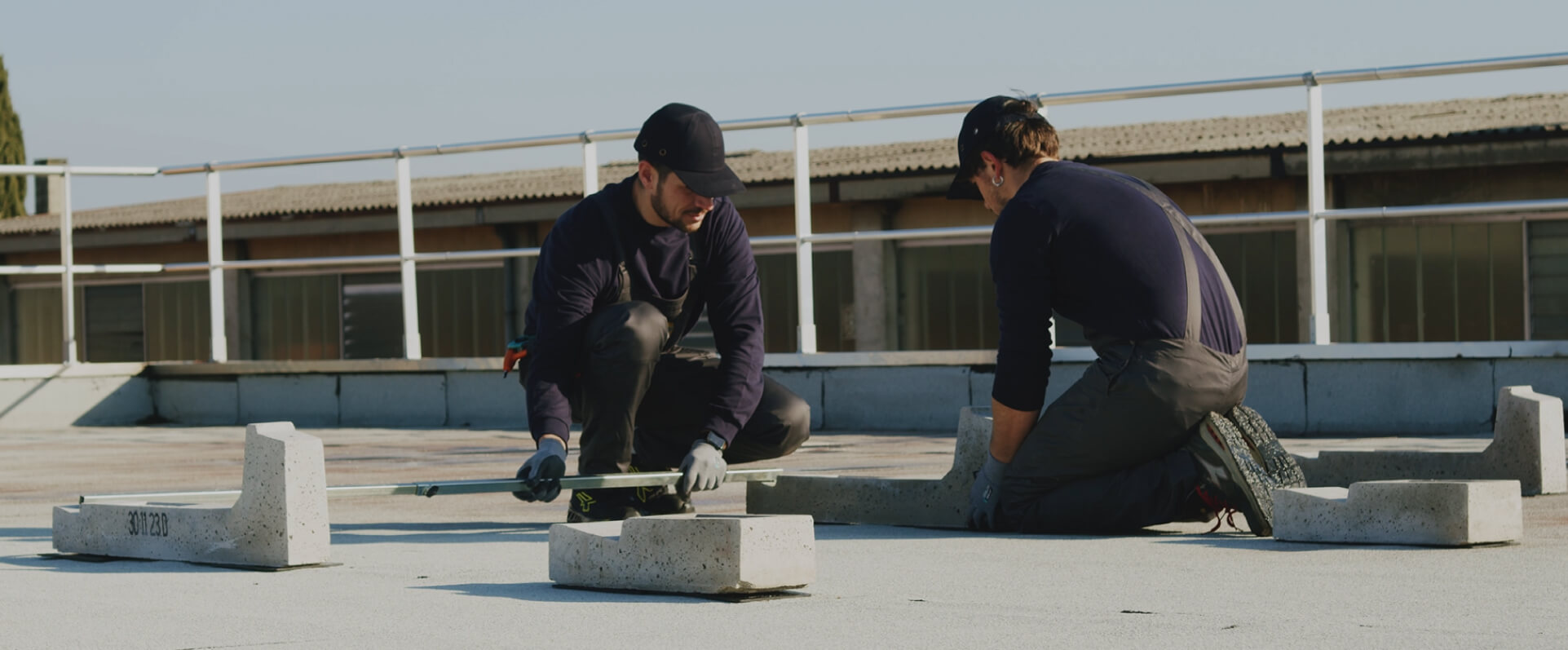
Unlike traditional racking that requires drilling, anchors, and complex fixings, ballast-based
solutions are designed to be straightforward: place, align, and connect. With fewer components
and intuitive assembly, crews can reduce installation time and avoid typical rooftop surprises.
For projects where speed, safety, and reliability matter—think warehouses, logistics hubs, and
large commercial roofs—these systems are often the most practical path to a successful PV
rollout.
In a market where deadlines are tight and workmanship is under scrutiny, choosing a
no-penetration PV mounting approach helps protect the roof asset while keeping the project
moving. The result is a mounting method that supports long-term performance and makes day-to-day
installation simpler for professionals.
Built for Installers: Faster Work, Fewer
Headaches, More Consistency
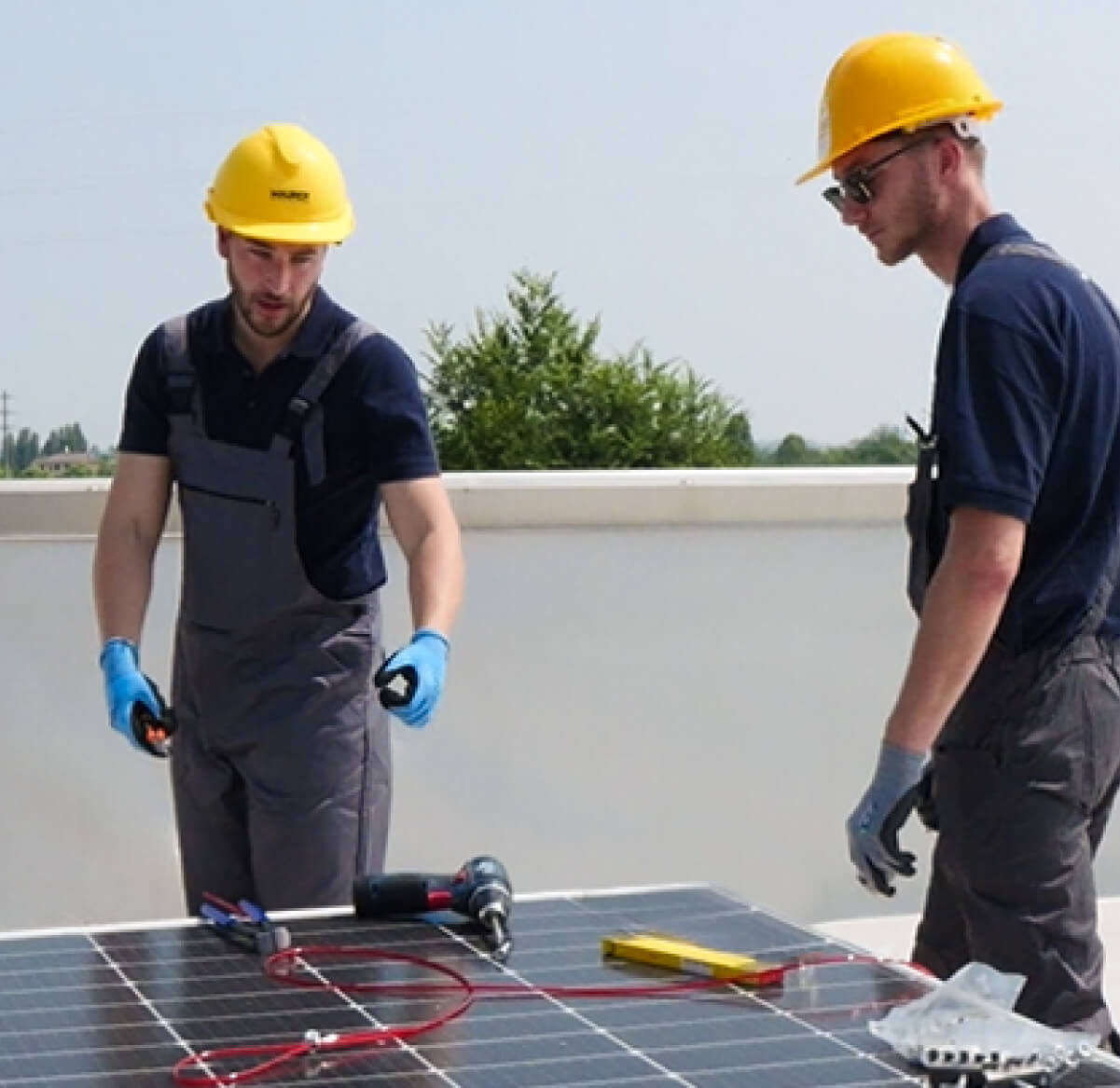
Installers choose solar ballast mounting systems because they
remove common pain points. No drilling means fewer tools, fewer steps, and fewer opportunities
for errors. The concrete ballast elements provide stable support, while the layout keeps the job
organized—especially on large, repetitive arrays.
From a practical standpoint, fewer parts can translate into faster logistics and easier staging
on the roof. For many crews, that means completing more kilowatts per day with the same team. It
also reduces the risk tied to roof fixings: you avoid debates about membrane warranties,
substrate variability, and waterproofing details that can slow down approvals.
Just as important, ballast PV mounting supports clean cable management and consistent module
positioning. When you can rely on a repeatable structure, you can plan manpower better, quote
more confidently, and deliver a more professional result to your client. In short: it’s a system
that respects real-world constraints on Italian rooftops—time, safety, and the need to keep
things simple.
Engineered Confidence: Wind Loads, Sizing
Support, and Long-Term Reliability
For designers, engineers, and technical offices, the key question
is performance under real conditions. Solar ballast mounting systems must be evaluated for wind
uplift, roof load limits, array geometry, and exposure. A well-engineered solution provides
tested configurations and dependable data that make PV sizing and verification easier.
That’s where a technical-partner approach adds value: support during design, help with system
dimensioning, and guidance through to execution. With reliable inputs, professionals can reduce
uncertainty and responsibility pressure—especially on large flat-roof installations where wind
and structural checks matter most.
In parallel, distributors benefit from a product category that is easy to explain and in steady
demand: no-penetration mounting, faster installation, and durable concrete ballast components.
When reliability, simplicity, and ongoing innovation come together, solar ballast mounting
systems become a persuasive choice for Italy’s B2B solar market—helping projects stay on
schedule while protecting the roof and delivering stable PV performance.