A smarter photovoltaic solar panel structure
for flat roofs
Choosing the right photovoltaic solar panel structure is the
difference between a smooth installation and days of avoidable delays—especially on flat roofs,
where waterproofing and wind loads are always top of mind. For installers and designers working
in Italy, the priority is clear: a mounting solution that is fast, predictable, and kind to the
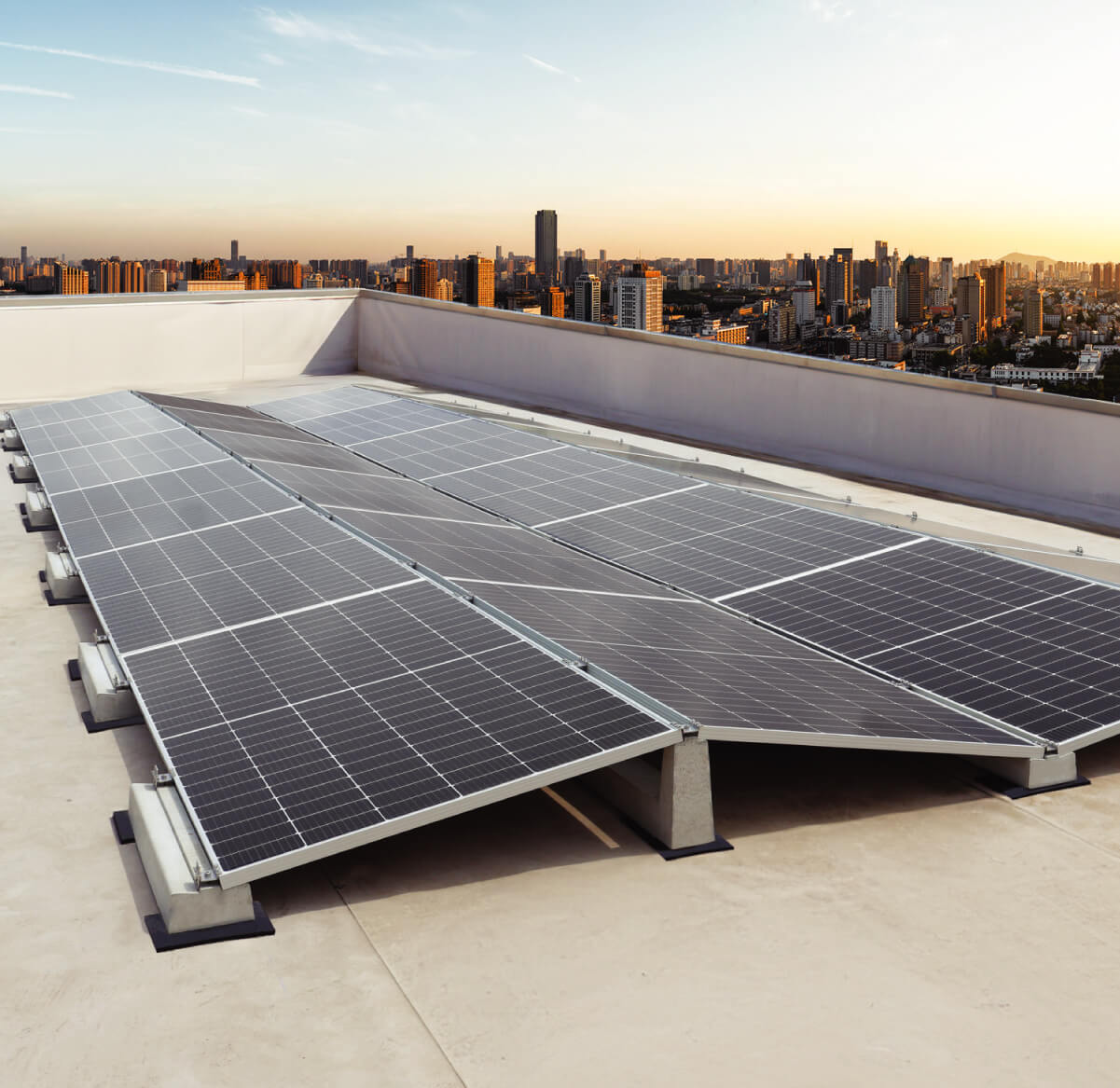
roof membrane. Ballasted systems answer this need by securing modules with engineered concrete
weights rather than penetrations. That means no drilling, fewer points of failure, and a cleaner
workflow on site. A well-designed flat-roof PV racking system also reduces the number of
components to handle, helping crews move quickly from layout to commissioning. Beyond speed, the
real value is risk reduction: avoiding roof anchors can help prevent leaks, simplify warranty
discussions, and keep maintenance headaches away. If you’re looking to standardize your approach
across industrial sheds, commercial buildings, and large rooftops, a no-penetration solar
mounting structure can make your projects more repeatable. The result is a photovoltaic array
mounting solution that supports productivity today while protecting the roof for years. In
competitive tenders, that combination—installation efficiency plus long-term reliability—often
becomes the deciding factor for professionals who cannot afford surprises.
Why concrete ballast mounting reduces
complexity on site
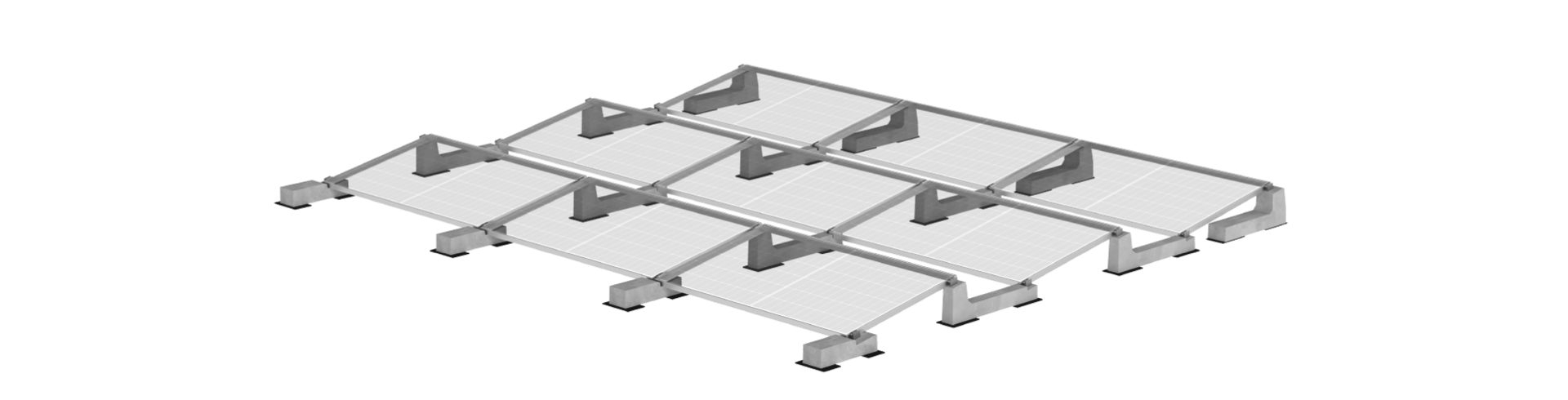
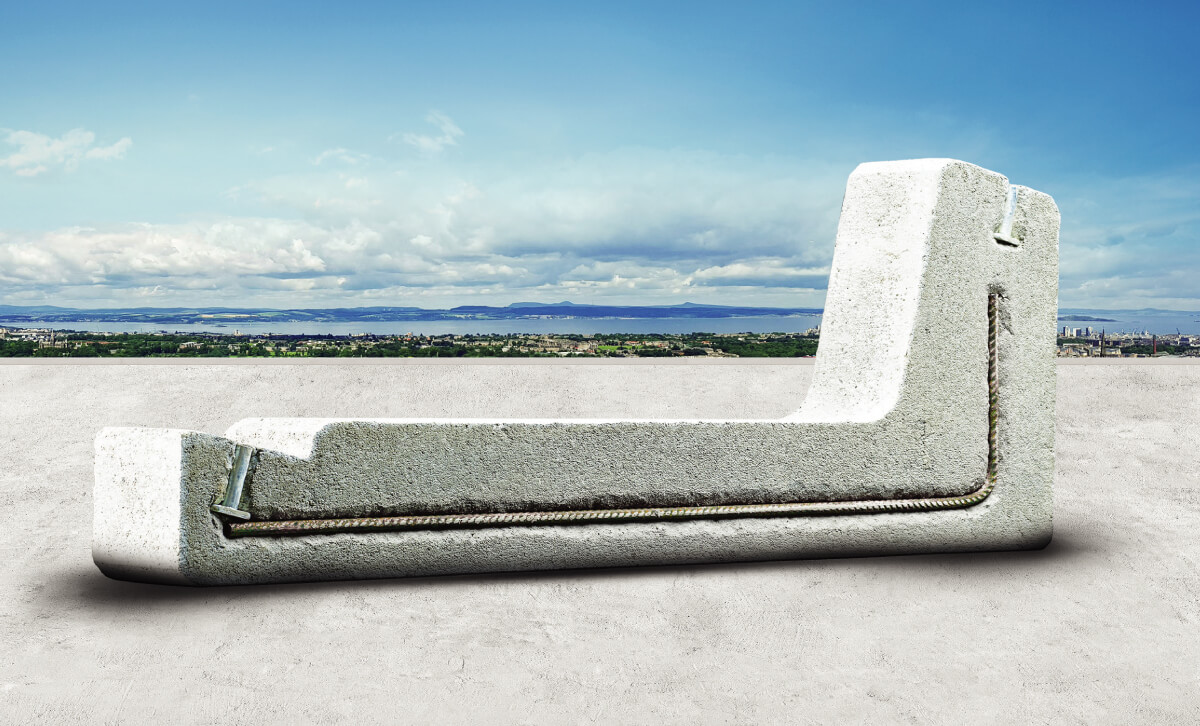
A concrete ballast photovoltaic mounting system is built around a
simple idea: let mass and geometry do the work. Instead of relying on roof fixings, the
structure uses pre-engineered concrete blocks that stabilize the modules and manage uplift
forces. For PV installers, this typically means fewer tools, fewer consumables, and fewer
steps—so teams can complete more kilowatts per day. For technical offices, it means a clearer
path through wind calculations and roof load checks, supported by tested configurations and
dependable data. The best systems are designed to be intuitive: align, place, connect—without
complicated substructures. This approach can also improve logistics: predictable components,
faster staging on the roof, and reduced chance of installation errors. When deadlines are tight
and safety matters, a simplified photovoltaic solar panel structure helps everyone—from the crew
on the roof to the engineer signing off the design—work with confidence. And because the
solution is tailored for flat roofs, it’s easier to plan cable routes, maintenance corridors,
and module spacing from the start.
A complete partner approach for installers,
designers, and distributors
In B2B solar, professionals don’t just need hardware—they need a
partner mindset that supports the project from early design to execution. The most effective
photovoltaic solar panel structure suppliers provide technical assistance during the planning
phase, help with system sizing, and offer commercial support that keeps procurement and
deliveries aligned with site schedules. For designers and engineers, having access to reliable
documentation, verified performance, and tested solutions can reduce responsibility stress and
speed up approvals. For distributors and wholesalers, a recognizable flat-roof mounting solution
with steady demand is easier to stock and explain to customers. Ultimately, the goal is
straightforward: make flat-roof photovoltaic installations safer, faster, and more
efficient—without compromising roof integrity. If your team wants to cut installation time,
avoid roof penetrations, and standardize a proven PV mounting structure across multiple projects
in Italy, choosing a ballasted, no-drill solution is a practical step toward higher margins and
fewer on-site complications.